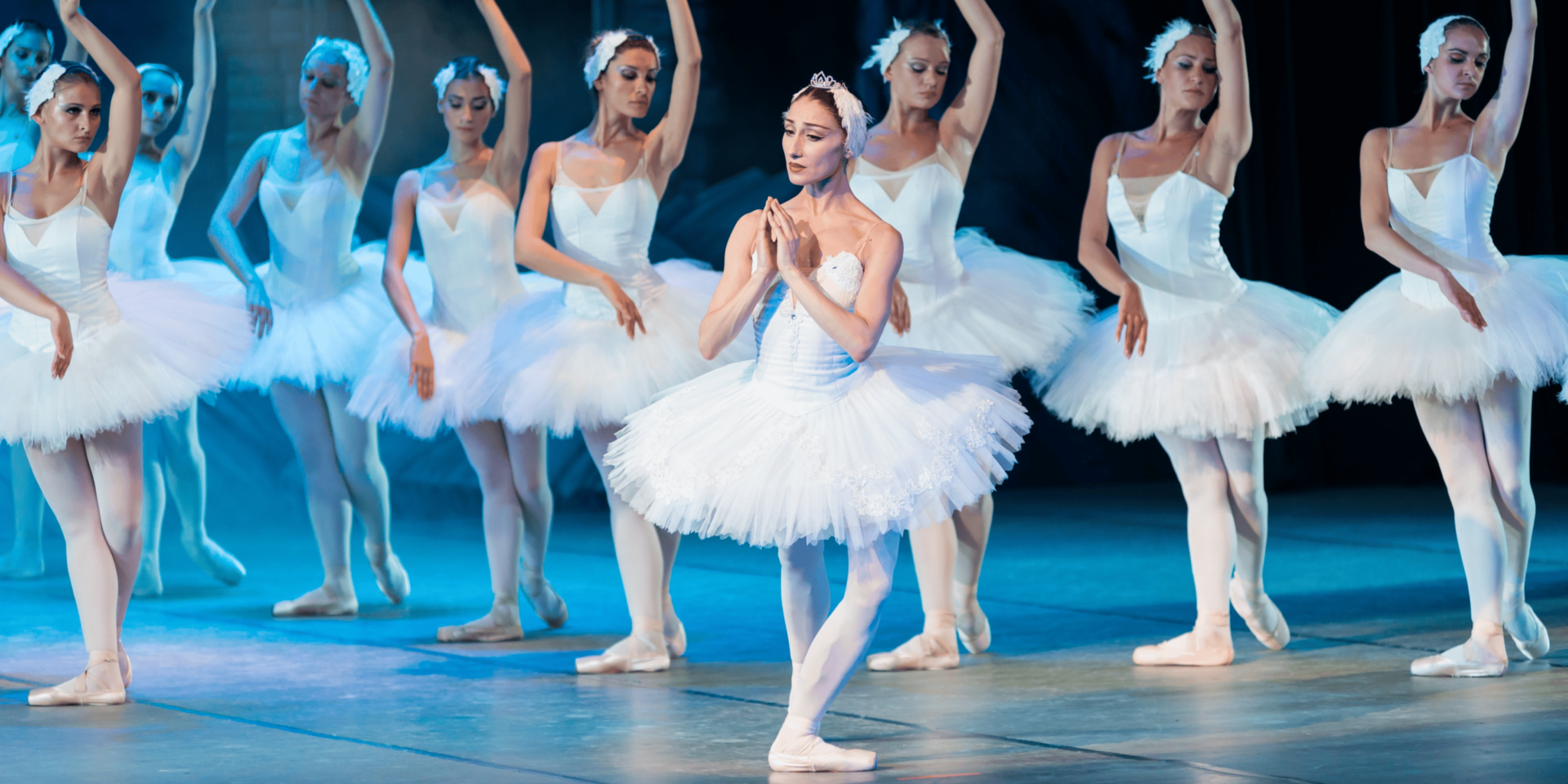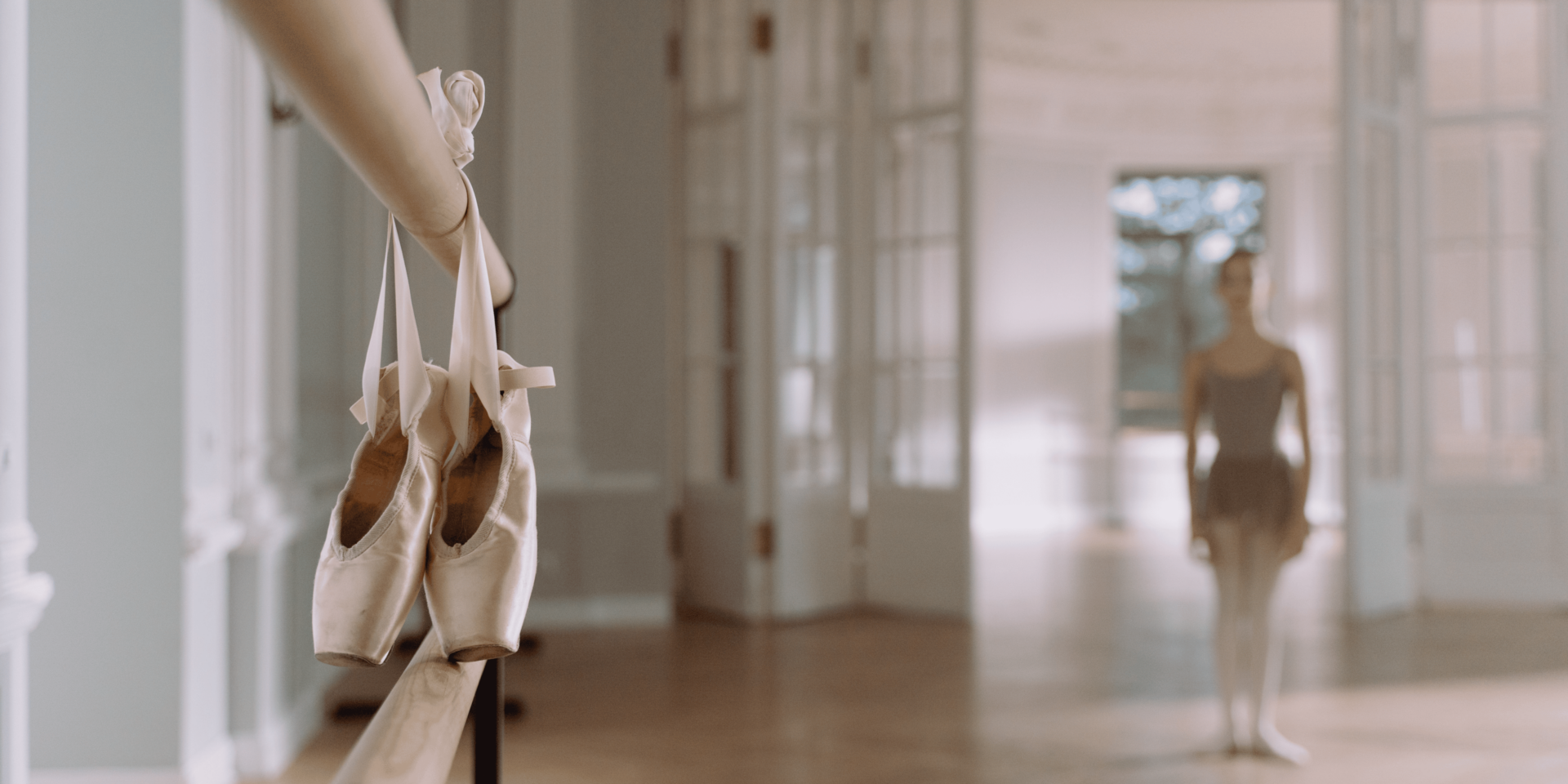
The ballet studio offers more than physical movement. It creates a space where your mind can slow down. The outside world stays at the door. Once the music starts, your focus shifts inward. You stop thinking about work, schedules, and noise. The structure of class gives your thoughts somewhere to rest. This focus helps quiet mental clutter and builds a feeling of calm.
The Rehearsal Mirror as a Tool for Self-Connection
The rehearsal mirror might seem intimidating at first. It reflects every movement, every detail. But with time, it becomes a space for honest reflection. You begin to see yourself clearly—not just your body, but your effort. The mirror shows you where to adjust, but it also shows growth. It becomes less about judgment and more about self-awareness.
Repetition as a Form of Meditation
Ballet relies on repetition. You return to the same exercises each class, refining them over time. This pattern builds muscle memory, but it also builds mental stillness. The routine allows your brain to rest within a rhythm. Your body moves through familiar steps, and your mind follows. That repetition becomes a form of moving meditation.
Letting Go of Perfection
Perfection doesn’t exist in ballet, even though the art form demands high standards. You learn to aim for accuracy without expecting flawlessness. This shift in thinking lowers pressure. You begin to focus on progress rather than performance. In the studio, you can let go of the need to always get it right. This release creates space for growth and peace.
The Role of Music in Finding Focus
Music shapes the experience of class. The rhythm sets the pace. The melody helps you breathe. As you move with the music, your attention sharpens. You stop overthinking and start listening. This connection between sound and movement grounds you in the present. It helps you stay focused and relaxed, even during hard combinations.
Using Breath to Stay Present
Breathing in ballet is not just about oxygen. It controls how you move and how you feel. Steady breath keeps your body stable and your mind calm. When you match your breath to your movement, stress starts to fade. The studio becomes a space where you can breathe freely and fully.
Turning Inward to Recharge
Outside the studio, life moves fast. You react, respond, and rush. Inside the studio, you slow down. Ballet gives you a reason to turn inward and check in with yourself. As you dance, you notice how your body feels. You notice your energy and emotions. This awareness allows you to recharge in ways that last beyond class.
A Routine That Grounds You
Taking class regularly builds stability. The structure becomes something you can rely on, especially during stressful times. Knowing that you have a place to go, a schedule to follow, and movements to repeat adds a layer of certainty. This routine grounds you and helps you manage daily stress with more balance.
Movement as Emotional Release
Physical movement releases tension. Ballet gives you a way to express feelings without words. Some days your body feels light; other days it feels heavy. Both are valid. The studio allows you to process emotions through movement. When you leave class, you feel lighter not just in body, but in mind.
Building a Calm Mind Through Body Awareness
Ballet teaches body awareness. You learn how each part connects and supports the whole. This physical focus shifts your attention away from outside stress. You move with more intention and listen to what your body needs. That connection helps you respond to life with more clarity and calm.
Stepping Into Stillness, One Class at a Time
The studio doesn’t erase stress, but it gives you tools to handle it. Each class becomes a small step toward stillness. You practice focus, breathing, and patience. Over time, the calm you build in ballet follows you out of the studio. It becomes part of how you move through the world.