From Barre to Breakthroughs: How Ballet Transforms the Everyday

Ballet is more than a form of exercise or performance. For adult dancers, it becomes a daily practice that reshapes how they think, move, and respond to life’s challenges. Through repetition, focus, and discipline, ballet offers a path to personal growth. The skills learned at the barre often influence behavior outside the studio, creating small but powerful shifts in everyday life.

Ballet Improves Posture and Physical Awareness

Daily movement becomes more intentional after regular ballet practice. In ballet, alignment matters. Each position teaches you how to hold your spine, shift your weight, and use your core. Over time, these habits carry into your everyday posture. Whether sitting at a desk or walking through a store, your body stays more upright and grounded. You begin to notice tension in your shoulders or imbalance in your steps. This awareness leads to better posture, fewer aches, and a stronger sense of control over your body.

Discipline at the Barre Builds Mental Focus

Ballet trains your mind to stay present and work through discomfort. Each class requires attention to detail. You must remember combinations, respond to corrections, and repeat movements with precision. These habits sharpen mental focus. Outside the studio, that focus becomes useful in other areas—like work, relationships, or daily tasks. You start to approach challenges with more patience and a stronger sense of intention. The ability to stick with something hard, even when progress feels slow, becomes a mindset you apply beyond ballet.

Small Wins Create a Sense of Progress

Consistent ballet practice reinforces the value of incremental growth. In ballet, change happens in millimeters. Holding a balance longer, lifting the arm with better control, or landing a cleaner turn all reflect improvement. These small shifts may not seem dramatic, but they build over time. That process teaches you to notice and appreciate progress in other parts of life. You begin to measure success not by immediate results, but by steady growth. This new perspective brings more clarity and reduces frustration in everyday routines.

Emotional Regulation Strengthens Over Time

Movement and music help regulate stress and process emotions. Ballet requires coordination between breath, movement, and rhythm. This coordination helps calm the nervous system. As you move through the exercises, your mind begins to settle. Over time, the body learns how to respond to stress in a more balanced way. After class, you feel more grounded, less reactive, and better equipped to handle daily stressors. This emotional stability often carries into situations that used to trigger anxiety or overwhelm.

Ballet Encourages Consistency and Routine

Regular attendance develops structure and time management skills. Committing to ballet classes means building time into your schedule—and sticking to it. That consistent effort teaches you how to organize your week around something meaningful. You begin to prioritize your needs and make space for personal growth. This discipline strengthens your ability to set goals, keep commitments, and build healthy habits that extend beyond the studio.

Confidence Grows With Each Session

Mastering new steps leads to a stronger sense of self. Ballet challenges your coordination, balance, and memory. Every time you complete a sequence or improve your technique, you gain more confidence. That confidence becomes visible in your posture, speech, and how you carry yourself. You begin to take up more space—not just physically, but emotionally. You advocate for yourself more clearly. You make decisions with more assurance. Ballet helps you trust your body and your instincts.

Movement Shapes Identity and Self-Perception

The way you move begins to influence how you view yourself. Ballet teaches elegance, strength, and control. As your movement improves, so does your perception of yourself. You begin to identify as someone who can learn new things, face discomfort, and improve through practice. This shift in self-image has a ripple effect. You may become more open to new challenges or more resilient when facing setbacks. Ballet gives you a new lens through which to view your abilities.

Grace Under Pressure Becomes a Habit

Ballet teaches how to stay calm and collected, even when things go wrong. In class, mistakes happen. You might forget a step or lose your balance. But the rhythm continues, and you learn to recover without hesitation. That habit of staying composed under pressure becomes part of how you handle real-life situations. In a tense conversation, at a stressful job, or during unexpected setbacks, you remain focused and responsive. The practice of returning to center—physically and emotionally—becomes second nature.

Artistic Expression Boosts Creativity

Ballet connects structure with artistry, unlocking creative thinking. Even within the strict framework of ballet, there is space for expression. How you perform a movement or interpret a phrase reflects your unique energy. This balance of technique and creativity builds flexible thinking. Outside of class, you become better at solving problems, communicating ideas, or approaching challenges from new angles. Ballet shows that discipline and creativity are not opposites—they work together to produce something meaningful.

Ballet Shapes More Than Just the Body

Ballet transforms the everyday by influencing how you move, think, and respond to life. What starts at the barre becomes part of how you live. Improved posture, sharper focus, and greater emotional awareness all stem from regular practice. But the most lasting change happens inside. Ballet helps you see yourself differently—more capable, more expressive, and more present. In this way, ballet becomes more than a class. It becomes a daily reminder that growth is possible, grace is earned, and breakthroughs come from the quiet work you do every day.
What Your First Ballet Class Feels Like After Thirty

Walking into your first ballet class after the age of thirty brings a unique mix of emotions. Unlike childhood beginners, adults carry years of expectations, habits, and insecurities into the studio. The experience blends excitement with discomfort, and curiosity with vulnerability. But most of all, it creates an opportunity for growth—both physical and emotional.

Entering the Studio With a Different Perspective

Adults return to ballet with a mindset shaped by life experience. When you step into a ballet studio for the first time as an adult, you’re not just learning movement—you’re confronting assumptions about what your body can do. You’re aware of your limits and self-conscious about how you look. The space feels unfamiliar, even intimidating at first. Yet that awareness also makes you more focused and committed. You’re here by choice, not obligation, which gives the experience more personal meaning.

Adjusting to Structure and Precision

Ballet’s formal structure demands full mental and physical attention. The class begins with clear rules and routines. Every movement has a name, a purpose, and a correct form. You’re asked to follow combinations, hold positions, and move in sync with others. At first, this feels overwhelming. But gradually, the structure creates clarity. Each step builds on the last, and your understanding of the process begins to take shape. Structure becomes the foundation for progress.

Feeling the Body’s Response

Physical awareness increases as the class progresses. In those early moments, you notice your posture more than usual. Small muscles engage that you haven’t used in years. The warm-up feels more challenging than expected. Your hips resist turnout, your calves tighten, and your arms start to ache just from holding position. These sensations are not signs of failure—they are your body’s way of waking up to something new. With every plié or tendu, you learn how your body moves—and where it needs support.

Facing Mental Discomfort

our inner voice becomes louder during the first few sessions. As the class continues, your focus may shift from physical discomfort to mental comparison. You might notice someone picking up the steps more quickly or holding a position longer. Doubt creeps in. But this is where the real work begins. Ballet after thirty is not just about training muscles—it’s about quieting the noise in your head. You learn to redirect attention to your own progress rather than someone else’s performance.

Learning to Move With Intention

Every motion in ballet asks for purpose and control. Unlike other forms of exercise, ballet demands that you not only move but also express. You’re not just lifting your arm—you’re placing it. Not just stepping—you’re gliding. This level of focus transforms the way you approach movement. It’s not about speed but about quality. Learning how to move with intention changes how you walk, sit, and carry yourself even after class ends.

Accepting Imperfection as Part of the Process

Mistakes are constant, but they guide improvement. Your first ballet class will include moments of confusion. You might forget a step, lose balance, or feel out of rhythm. This is normal. In fact, it’s necessary. Adult beginners improve by failing forward. Instead of chasing perfection, the goal becomes consistency. Showing up, trying again, and making progress over time is what leads to real development. The process rewards patience, not perfection.

Experiencing Emotional Shifts

Ballet has a way of bringing emotions to the surface. Midway through class, you may feel a wave of unexpected emotion. It could be frustration, joy, or even release. That’s because ballet connects mind and body in a way that many adults haven’t experienced in years. When you allow yourself to feel instead of just perform, ballet becomes more than movement. It becomes a form of emotional expression and healing.

Building Confidence From the Ground Up

Progress in ballet creates visible and internal changes. By the end of class, your body feels tired, but your confidence starts to grow. You remember a combination. You hold a pose longer. You understand the corrections your teacher gives. These small wins build a quiet sense of self-trust. Each session becomes a step toward a stronger body and a more grounded mind. This confidence isn’t loud—it’s steady and earned.

Embracing the Learning Curve

Ballet after thirty is not about speed—it’s about commitment. You realize that learning ballet as an adult isn’t something you master quickly. The curve is steep, and the pace is deliberate. But the challenge becomes part of the appeal. You learn to appreciate the slow unfolding of skills, the steady shift in mindset, and the deep sense of satisfaction that follows each class. The studio becomes a place where you can focus fully, away from outside stress.

Leaving the Studio With a New Awareness

Ballet influences how you think, move, and feel beyond the studio. When class ends, you leave with more than sore muscles. Your posture improves. Your steps feel more intentional. You’re more aware of your breath and how your body moves through space. Ballet doesn’t stay confined to the studio—it becomes part of your daily rhythm. Over time, this awareness transforms not just your movement but your relationship with yourself.

Starting Ballet After Thirty Is a Personal Victory

Your first ballet class after thirty is less about performance and more about permission. You give yourself permission to begin again, to move, to learn, and to grow in ways that feel personal and meaningful. Ballet becomes a tool—not just for fitness, but for presence, clarity, and self-expression. With every class, you return stronger, more aware, and more connected to the person you’re becoming.

Rediscovering Grace: The Emotional Journey of Adult Ballet Beginners

Starting ballet as an adult is not just a physical challenge—it’s an emotional journey. Unlike childhood learners, adult ballet beginners bring life experience, self-awareness, and often, vulnerability into the studio. Each movement becomes more than just technique. It becomes a step toward confidence, resilience, and personal growth.

Walking into the Studio with Self-Doubt

The first ballet class as an adult often starts with uncertainty and hesitation. Many adult beginners enter ballet with mixed emotions. They may feel excited, but also worry they’re too late to start. The mirrors, the structured format, and the presence of others can heighten insecurities. Some compare themselves to younger dancers or feel nervous about not knowing the terminology. This mental barrier is often the hardest part of the journey. But showing up, even with doubt, is the first act of courage.

Letting Go of Perfectionism

Adult learners often struggle with the need to perform perfectly right away. In life outside the studio, many adults have careers, families, and responsibilities that require control and structure. Ballet challenges that mindset. Movements take time to learn. Mistakes happen. Adult dancers must learn to accept slow progress and celebrate small wins. Letting go of the desire to get everything right becomes essential. In doing so, dancers open the door to joy and progress.

Facing the Body’s Limitations

Ballet introduces adults to a new relationship with their own bodies. Unlike younger dancers, adult beginners may deal with past injuries, stiffness, or limited flexibility. These realities can feel discouraging at first. But they also lead to a deeper understanding of body awareness. Each plié, tendu, and stretch brings insight into how the body moves and responds. With patience and consistency, adult dancers start to feel stronger, more balanced, and more in tune with themselves.

Finding Emotional Release Through Movement

Ballet becomes a way to express feelings that words can’t reach. As adult students learn the flow of ballet, they often discover that movement can release built-up emotions. The physicality of dance, paired with music and rhythm, creates space for self-expression. Whether it’s stress from work, grief, or even joy, the studio becomes a safe place to process those feelings. Over time, ballet feels less like a class and more like therapy in motion.

Building Confidence One Step at a Time

Progress in ballet fuels a quiet but steady rise in self-esteem. In each class, adult beginners learn something new. Even a single mastered step brings a sense of achievement. This momentum builds confidence. As dancers overcome early challenges—like remembering combinations or improving posture—they begin to trust themselves more. That confidence often spills into other areas of life, improving public speaking, posture, or even social interactions outside the studio.

Reconnecting with Creativity

Ballet reignites creative thinking that may have gone dormant in daily routines. Many adult dancers come from non-creative fields. For them, ballet becomes a reconnection with imagination, artistry, and expression. The discipline of technique blends with the freedom of movement. This combination encourages creative thinking, even outside the studio. Problem-solving, emotional intelligence, and mental flexibility often improve as a result of regularly engaging in a creative physical practice.

Embracing Community and Support

The adult ballet class fosters a unique sense of connection and encouragement. Unlike competitive environments, adult ballet classes often focus on support and inclusion. Classmates cheer each other on. Instructors guide without pressure. This atmosphere builds trust and connection. For many, it becomes a welcome break from the isolation that adult life can sometimes bring. Sharing progress, struggles, and laughter in class helps create lasting friendships and a sense of belonging.

Balancing Vulnerability with Strength

Ballet teaches adults how to stay open without losing their sense of control. Showing up in a leotard or trying a new movement in front of others can feel vulnerable. But this vulnerability, when balanced with determination, becomes strength. Adult ballet beginners learn how to face fear without letting it stop them. This mindset shift helps them approach challenges outside of dance with more confidence and emotional clarity.

Redefining Success on Personal Terms

In ballet, adults often redefine what success means to them. Progress isn’t measured by competition or comparison. Instead, success becomes internal—like holding a balance longer than before or remembering an entire combination without prompts. These moments reflect personal achievement. This redefinition of success helps dancers view themselves with more compassion and less judgment, which improves both their dancing and overall well-being.

Carrying Grace into Daily Life

The benefits of adult ballet extend beyond the studio walls. The posture, breath control, and presence learned in ballet affect how dancers move through the world. Daily actions—like walking, sitting, or speaking—become more intentional. Emotional shifts happen too. With regular practice, many adults notice greater patience, improved focus, and a more positive relationship with their bodies. Ballet becomes a tool not only for physical fitness but for emotional balance and mental clarity.

Ballet Is More Than a Dance Class

For adult beginners, ballet offers a path to rediscovering grace—both physical and emotional. It requires patience, vulnerability, and a willingness to grow. But in return, it gives strength, confidence, and a renewed sense of self. Every class is a reminder that it’s never too late to learn something new, to move with intention, or to find beauty in the process. Adult ballet isn’t about perfection—it’s about presence. And that presence is where true grace begins.

Discovering the Strength Behind Pirouettes

Pirouettes are one of ballet’s most recognized movements, but they take time to master. The strength to complete even one clean turn comes from repeating the same techniques over and over. This process is slow, steady, and often frustrating. But with regular effort, your body begins to remember the coordination and control it needs.

Learning to Balance Takes Patience

Turning in place requires more than physical strength. It demands balance, focus, and awareness. You learn to listen to your body’s alignment, engage your core, and hold your posture. These adjustments happen over time. Patience becomes just as important as physical skill. Progress is not fast, but it is real.

Persistence Builds Confidence Over Time

The early stages of learning pirouettes can feel discouraging. Mistakes are common. It may seem like you’re not improving. But the decision to keep trying shapes your mindset. You show yourself that effort matters more than instant success. This persistence strengthens your confidence both in class and outside it.

Refining Technique Through Repetition

Every pirouette is an opportunity to refine technique. You learn to spot clearly, push from the right position, and land with control. These small adjustments only come through repetition. Over time, your turns improve. You start to feel the rhythm and timing in your body. This awareness deepens your understanding of ballet.

Building Mental Focus in Every Turn

Pirouettes demand full mental engagement. You must think about your arms, legs, breath, and balance all at once. This level of concentration quiets outside distractions. Each turn becomes a mental reset. Practicing pirouettes teaches you how to focus under pressure, a skill that carries over into everyday life.

Overcoming Frustration in the Learning Process

It’s normal to feel stuck while learning pirouettes. Some days, nothing clicks. But showing up anyway builds resilience. You learn that progress doesn’t always look perfect. Some of your most important growth happens when you continue despite challenges. That quiet persistence keeps you moving forward.

Measuring Growth Beyond the Mirror

Improvements in pirouettes aren’t always visible. They show up in how you feel more stable, how your muscles respond, and how quickly you recover from mistakes. These internal shifts matter. They prove that persistence leads to real, lasting change—even if the mirror doesn’t reflect it right away.

Creating a Personal Sense of Mastery

Mastery isn’t about perfection. It’s about knowing you have the tools to keep improving. Pirouettes offer a clear path for this kind of mastery. You learn the steps, apply feedback, and keep adjusting. With time, you trust your ability to make progress. That trust builds independence in your learning.

Applying Ballet Lessons Outside the Studio

The discipline needed for pirouettes can influence other areas of your life. You learn how to stay focused, work through frustration, and stay consistent with your goals. These lessons help you handle real-life challenges with more confidence and calm. Pirouettes teach more than movement—they teach persistence.

Returning to the Work With New Understanding

Each class gives you a chance to try again with a fresh perspective. You begin to notice details you missed before. Your understanding grows with every repetition. This ongoing process reminds you that improvement never stops. With persistence, each turn becomes more than movement—it becomes a marker of how far you’ve come.

The Quiet Power of Sticking With It

There’s no loud applause when you finally land a clean pirouette. But there is quiet pride. You know what it took to get there. You faced doubt, frustration, and slow progress. And you stayed with it. That persistence becomes part of who you are—in the studio and beyond.

Embracing Ballet Later in Life Starts with Letting Go of Doubt

Many adults believe ballet is only for the young. This idea stops people from exploring what they’re fully capable of achieving. The truth is, ballet welcomes anyone ready to learn. Your age does not define your potential. What matters most is consistency, mindset, and respect for your body’s pace.

Starting Ballet With Realistic Expectations

Walking into your first class later in life brings mixed feelings. You might feel unsure of your ability to keep up. But adult ballet programs are designed for beginners at all levels. Teachers provide guidance tailored to your experience and goals. The learning curve may feel steep, but progress happens steadily when you show up.

Turning Self-Doubt Into Action

Doubt can delay progress more than any physical challenge. It’s easy to believe you’re too late, too stiff, or too inexperienced. But each time you return to class, you prove those thoughts wrong. Doubt loses power when you act anyway. With time, the studio becomes a space where effort replaces fear.

Building Confidence Through Movement

Every step you learn strengthens more than your muscles. It also strengthens your self-belief. As you repeat exercises and see small improvements, you gain confidence. This confidence builds gradually. It doesn’t come from mastering a move but from trusting yourself to try again, even when it’s hard.

Learning to Value the Process

Adult ballet isn’t about racing toward a final performance. It’s about learning, exploring, and showing up. You discover the value of practice, the rhythm of effort, and the satisfaction of steady improvement. Shifting your mindset from outcomes to process helps you stay motivated and grounded.

Using Ballet to Reconnect With Your Body

Ballet helps you pay attention to how your body moves and feels. You begin to notice your alignment, your breath, and your posture. This awareness improves your coordination and deepens your connection to yourself. As you move more mindfully, you feel more present in your body and in your life.

Creating Structure and Routine

Attending ballet classes gives structure to your week. The commitment creates a rhythm that supports both mental and physical health. Knowing you have a set time to focus on movement and growth provides stability. This routine becomes a form of self-care that fits into your lifestyle.

Celebrating Milestones That Matter to You

Success in ballet as an adult isn’t measured by performances or perfect form. It’s measured by personal wins. Holding your balance longer, remembering a combination, or walking into class with confidence are real achievements. These moments mark your growth and give you reasons to keep going.

Building a Supportive Ballet Community

Adult ballet classes often attract people with similar goals. These shared experiences build connections. Encouragement, humor, and understanding create a welcoming environment. Being part of a community that supports your growth makes the journey more rewarding and sustainable.

Practicing Patience Without Pressure

Progress in adult ballet takes time. Your body needs space to adapt. Your mind needs space to learn. Patience becomes one of the most valuable skills you develop. With less pressure to perform, you can focus on learning and enjoying each part of the process.

Redefining Strength and Grace

Ballet in adulthood shows you that strength and grace are not just physical qualities. They also come from perseverance and presence. Each class is a chance to develop both. With continued practice, you move through life with more intention, balance, and calm.

Your Ballet Journey, On Your Terms

Starting ballet later in life is a personal choice. You define what success looks like. Whether it’s mastering a simple step, improving posture, or finding joy in movement, every goal counts. Your journey doesn’t have to follow anyone else’s path. What matters is that it’s yours.

Pointe Shoes Have a Place in Your Adult Ballet Journey

For many adults, dancing en pointe is a long-held goal. Life may have interrupted that dream, but stepping into a pair of pointe shoes later in life is entirely possible. Adult dancers bring commitment, awareness, and motivation to the studio. These qualities help make the journey to pointe safe and rewarding.

Building Strength for the Challenge

Pointe work requires specific physical preparation. Adult ballet classes that focus on technique, alignment, and muscle control help build the foundation. Core strength, ankle stability, and turnout must develop over time. As you train consistently, your body adapts. You earn the strength to support yourself safely en pointe.

Prioritizing Safety and Readiness

Adults must approach pointe work with patience and realistic expectations. Qualified teachers assess readiness based on control, consistency, and injury history. Unlike younger dancers in full-time training, adults often balance work and family responsibilities. A structured and gradual approach ensures that pointe work supports your health rather than compromises it.

Rediscovering Confidence in New Ways

Wearing pointe shoes can reshape how you see yourself. They change your relationship with your body and your movement. Achieving this milestone brings a clear sense of progress. As you master small steps en pointe, your confidence grows. You begin to trust your abilities and take pride in what you can achieve.

The Mental Focus Behind the Movement

Dancing in pointe shoes requires intense mental concentration. You must stay fully aware of your posture, balance, and transitions. This mental engagement sharpens focus and builds discipline. Each class becomes a space where you can train your mind along with your body, reducing stress through deep concentration.

Finding Joy in Personal Progress

Pointe work as an adult is not about performing or competing. It’s about personal fulfillment. The satisfaction comes from learning something new, pushing limits, and enjoying the process. You celebrate your own growth, not someone else’s timeline. This self-driven motivation is one of the most rewarding parts of the adult ballet experience.

Staying Motivated with Clear Milestones

Clear goals keep adult dancers motivated. Reaching pointe is one of those milestones. It adds purpose to your training and gives you something to work toward. Having a structured path, such as a beginner pointe class or a prep program, can keep your progress steady and your interest high.

Creating Ritual and Routine

Pointe work adds a layer of intention to your ballet practice. The process of preparing your shoes, warming up carefully, and focusing during class builds routine. These rituals become part of your mental preparation. They help ground you and create consistency in your dance practice.

Challenging the Narrative Around Age and Ballet

Choosing to dance en pointe as an adult challenges outdated ideas about ballet. It proves that movement, strength, and artistry are not limited by age. Adult dancers rewrite the story. They show that it’s never too late to learn something hard and do it well. Pointe work becomes a symbol of possibility.

Pointe Shoes as a Personal Celebration

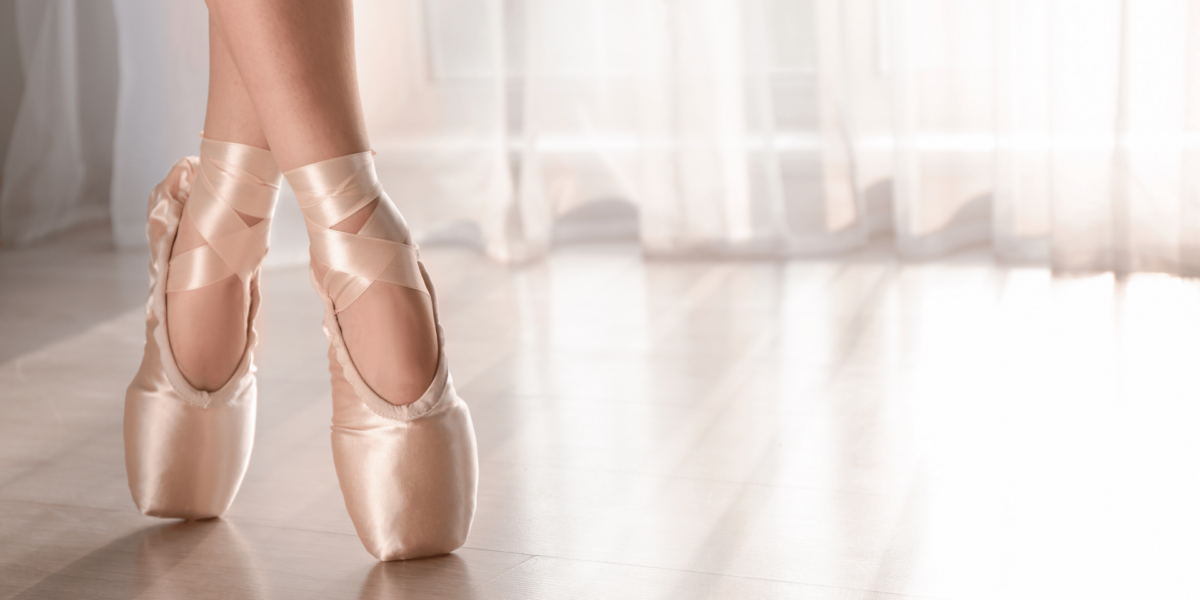
Putting on pointe shoes is a personal achievement. It reflects your commitment, your growth, and your effort. Whether you’re dancing simple rises or full variations, the shoes represent how far you’ve come. For many adults, pointe is not just a skill—it’s a celebration of their own path in ballet.

Honoring the Process Without Comparison

Every dancer’s path to pointe looks different. Some move quickly, others take years. What matters is honoring your progress. Adult ballet is not a race. Pointe becomes part of a larger journey where consistency, effort, and enjoyment carry more weight than speed. When you let go of comparison, you give yourself space to grow.

Pointe Belongs in Adult Ballet

Pointe shoes are not reserved for the young. They belong to anyone willing to work for them. As an adult, you bring maturity, intention, and discipline to the experience. With the right preparation and mindset, pointe can be a healthy, inspiring, and deeply personal part of your ballet life.