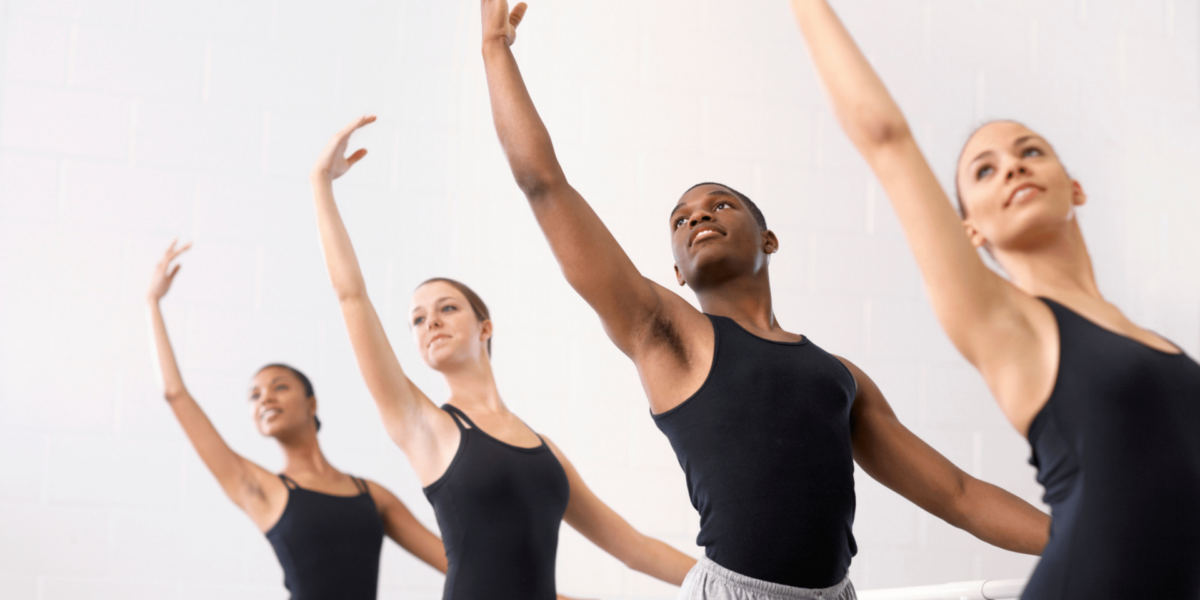
Pirouettes are one of ballet’s most recognized movements, but they take time to master. The strength to complete even one clean turn comes from repeating the same techniques over and over. This process is slow, steady, and often frustrating. But with regular effort, your body begins to remember the coordination and control it needs.
Learning to Balance Takes Patience
Turning in place requires more than physical strength. It demands balance, focus, and awareness. You learn to listen to your body’s alignment, engage your core, and hold your posture. These adjustments happen over time. Patience becomes just as important as physical skill. Progress is not fast, but it is real.
Persistence Builds Confidence Over Time
The early stages of learning pirouettes can feel discouraging. Mistakes are common. It may seem like you’re not improving. But the decision to keep trying shapes your mindset. You show yourself that effort matters more than instant success. This persistence strengthens your confidence both in class and outside it.
Refining Technique Through Repetition
Every pirouette is an opportunity to refine technique. You learn to spot clearly, push from the right position, and land with control. These small adjustments only come through repetition. Over time, your turns improve. You start to feel the rhythm and timing in your body. This awareness deepens your understanding of ballet.
Building Mental Focus in Every Turn
Pirouettes demand full mental engagement. You must think about your arms, legs, breath, and balance all at once. This level of concentration quiets outside distractions. Each turn becomes a mental reset. Practicing pirouettes teaches you how to focus under pressure, a skill that carries over into everyday life.
Overcoming Frustration in the Learning Process
It’s normal to feel stuck while learning pirouettes. Some days, nothing clicks. But showing up anyway builds resilience. You learn that progress doesn’t always look perfect. Some of your most important growth happens when you continue despite challenges. That quiet persistence keeps you moving forward.
Measuring Growth Beyond the Mirror
Improvements in pirouettes aren’t always visible. They show up in how you feel more stable, how your muscles respond, and how quickly you recover from mistakes. These internal shifts matter. They prove that persistence leads to real, lasting change—even if the mirror doesn’t reflect it right away.
Creating a Personal Sense of Mastery
Mastery isn’t about perfection. It’s about knowing you have the tools to keep improving. Pirouettes offer a clear path for this kind of mastery. You learn the steps, apply feedback, and keep adjusting. With time, you trust your ability to make progress. That trust builds independence in your learning.
Applying Ballet Lessons Outside the Studio
The discipline needed for pirouettes can influence other areas of your life. You learn how to stay focused, work through frustration, and stay consistent with your goals. These lessons help you handle real-life challenges with more confidence and calm. Pirouettes teach more than movement—they teach persistence.
Returning to the Work With New Understanding
Each class gives you a chance to try again with a fresh perspective. You begin to notice details you missed before. Your understanding grows with every repetition. This ongoing process reminds you that improvement never stops. With persistence, each turn becomes more than movement—it becomes a marker of how far you’ve come.
The Quiet Power of Sticking With It
There’s no loud applause when you finally land a clean pirouette. But there is quiet pride. You know what it took to get there. You faced doubt, frustration, and slow progress. And you stayed with it. That persistence becomes part of who you are—in the studio and beyond.