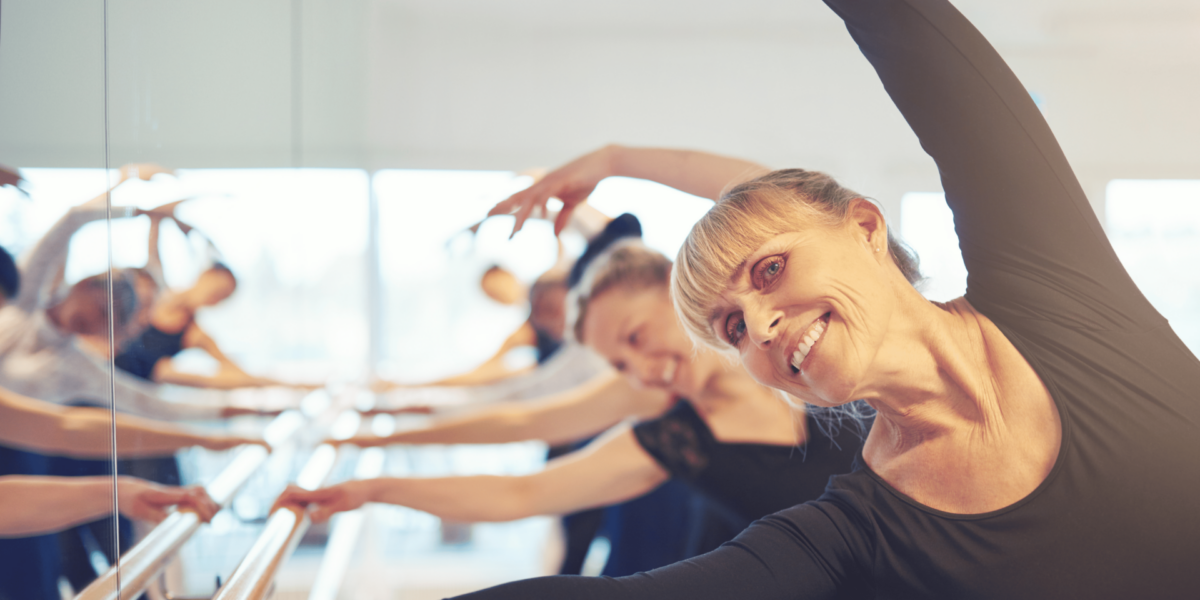
Starting ballet as an adult is not just a physical challenge—it’s an emotional journey. Unlike childhood learners, adult ballet beginners bring life experience, self-awareness, and often, vulnerability into the studio. Each movement becomes more than just technique. It becomes a step toward confidence, resilience, and personal growth.
Walking into the Studio with Self-Doubt
The first ballet class as an adult often starts with uncertainty and hesitation. Many adult beginners enter ballet with mixed emotions. They may feel excited, but also worry they’re too late to start. The mirrors, the structured format, and the presence of others can heighten insecurities. Some compare themselves to younger dancers or feel nervous about not knowing the terminology. This mental barrier is often the hardest part of the journey. But showing up, even with doubt, is the first act of courage.
Letting Go of Perfectionism
Adult learners often struggle with the need to perform perfectly right away. In life outside the studio, many adults have careers, families, and responsibilities that require control and structure. Ballet challenges that mindset. Movements take time to learn. Mistakes happen. Adult dancers must learn to accept slow progress and celebrate small wins. Letting go of the desire to get everything right becomes essential. In doing so, dancers open the door to joy and progress.
Facing the Body’s Limitations
Ballet introduces adults to a new relationship with their own bodies. Unlike younger dancers, adult beginners may deal with past injuries, stiffness, or limited flexibility. These realities can feel discouraging at first. But they also lead to a deeper understanding of body awareness. Each plié, tendu, and stretch brings insight into how the body moves and responds. With patience and consistency, adult dancers start to feel stronger, more balanced, and more in tune with themselves.
Finding Emotional Release Through Movement
Ballet becomes a way to express feelings that words can’t reach. As adult students learn the flow of ballet, they often discover that movement can release built-up emotions. The physicality of dance, paired with music and rhythm, creates space for self-expression. Whether it’s stress from work, grief, or even joy, the studio becomes a safe place to process those feelings. Over time, ballet feels less like a class and more like therapy in motion.
Building Confidence One Step at a Time
Progress in ballet fuels a quiet but steady rise in self-esteem. In each class, adult beginners learn something new. Even a single mastered step brings a sense of achievement. This momentum builds confidence. As dancers overcome early challenges—like remembering combinations or improving posture—they begin to trust themselves more. That confidence often spills into other areas of life, improving public speaking, posture, or even social interactions outside the studio.
Reconnecting with Creativity
Ballet reignites creative thinking that may have gone dormant in daily routines. Many adult dancers come from non-creative fields. For them, ballet becomes a reconnection with imagination, artistry, and expression. The discipline of technique blends with the freedom of movement. This combination encourages creative thinking, even outside the studio. Problem-solving, emotional intelligence, and mental flexibility often improve as a result of regularly engaging in a creative physical practice.
Embracing Community and Support
The adult ballet class fosters a unique sense of connection and encouragement. Unlike competitive environments, adult ballet classes often focus on support and inclusion. Classmates cheer each other on. Instructors guide without pressure. This atmosphere builds trust and connection. For many, it becomes a welcome break from the isolation that adult life can sometimes bring. Sharing progress, struggles, and laughter in class helps create lasting friendships and a sense of belonging.
Balancing Vulnerability with Strength
Ballet teaches adults how to stay open without losing their sense of control. Showing up in a leotard or trying a new movement in front of others can feel vulnerable. But this vulnerability, when balanced with determination, becomes strength. Adult ballet beginners learn how to face fear without letting it stop them. This mindset shift helps them approach challenges outside of dance with more confidence and emotional clarity.
Redefining Success on Personal Terms
In ballet, adults often redefine what success means to them. Progress isn’t measured by competition or comparison. Instead, success becomes internal—like holding a balance longer than before or remembering an entire combination without prompts. These moments reflect personal achievement. This redefinition of success helps dancers view themselves with more compassion and less judgment, which improves both their dancing and overall well-being.
Carrying Grace into Daily Life
The benefits of adult ballet extend beyond the studio walls. The posture, breath control, and presence learned in ballet affect how dancers move through the world. Daily actions—like walking, sitting, or speaking—become more intentional. Emotional shifts happen too. With regular practice, many adults notice greater patience, improved focus, and a more positive relationship with their bodies. Ballet becomes a tool not only for physical fitness but for emotional balance and mental clarity.
Ballet Is More Than a Dance Class
For adult beginners, ballet offers a path to rediscovering grace—both physical and emotional. It requires patience, vulnerability, and a willingness to grow. But in return, it gives strength, confidence, and a renewed sense of self. Every class is a reminder that it’s never too late to learn something new, to move with intention, or to find beauty in the process. Adult ballet isn’t about perfection—it’s about presence. And that presence is where true grace begins.