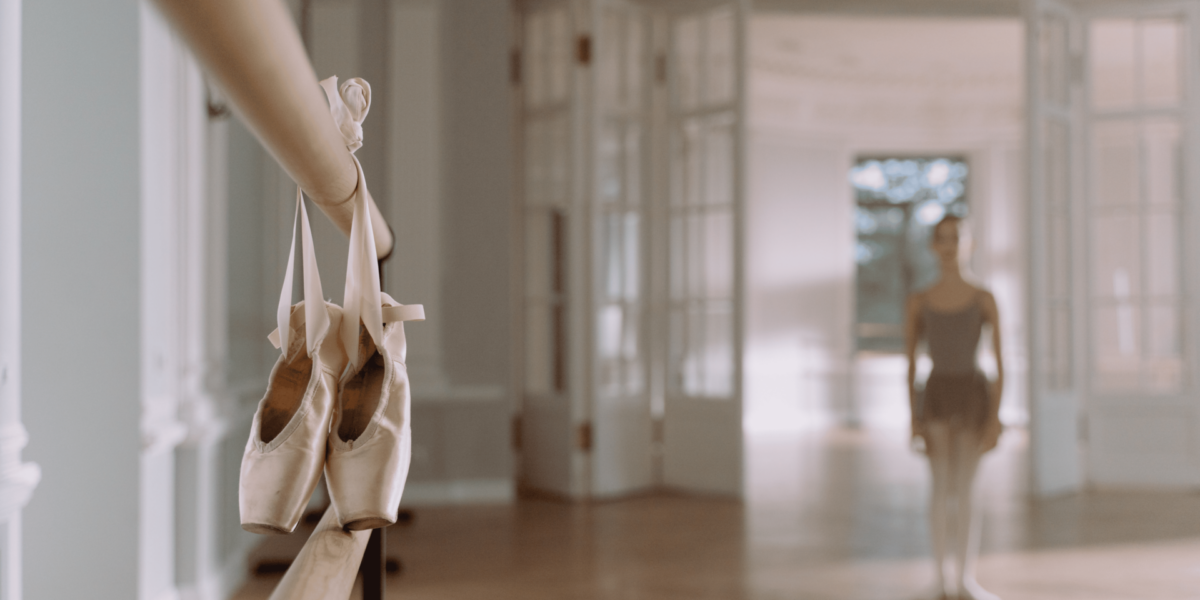
Walking into your first ballet class after the age of thirty brings a unique mix of emotions. Unlike childhood beginners, adults carry years of expectations, habits, and insecurities into the studio. The experience blends excitement with discomfort, and curiosity with vulnerability. But most of all, it creates an opportunity for growth—both physical and emotional.
Entering the Studio With a Different Perspective
Adults return to ballet with a mindset shaped by life experience. When you step into a ballet studio for the first time as an adult, you’re not just learning movement—you’re confronting assumptions about what your body can do. You’re aware of your limits and self-conscious about how you look. The space feels unfamiliar, even intimidating at first. Yet that awareness also makes you more focused and committed. You’re here by choice, not obligation, which gives the experience more personal meaning.
Adjusting to Structure and Precision
Ballet’s formal structure demands full mental and physical attention. The class begins with clear rules and routines. Every movement has a name, a purpose, and a correct form. You’re asked to follow combinations, hold positions, and move in sync with others. At first, this feels overwhelming. But gradually, the structure creates clarity. Each step builds on the last, and your understanding of the process begins to take shape. Structure becomes the foundation for progress.
Feeling the Body’s Response
Physical awareness increases as the class progresses. In those early moments, you notice your posture more than usual. Small muscles engage that you haven’t used in years. The warm-up feels more challenging than expected. Your hips resist turnout, your calves tighten, and your arms start to ache just from holding position. These sensations are not signs of failure—they are your body’s way of waking up to something new. With every plié or tendu, you learn how your body moves—and where it needs support.
Facing Mental Discomfort
our inner voice becomes louder during the first few sessions. As the class continues, your focus may shift from physical discomfort to mental comparison. You might notice someone picking up the steps more quickly or holding a position longer. Doubt creeps in. But this is where the real work begins. Ballet after thirty is not just about training muscles—it’s about quieting the noise in your head. You learn to redirect attention to your own progress rather than someone else’s performance.
Learning to Move With Intention
Every motion in ballet asks for purpose and control. Unlike other forms of exercise, ballet demands that you not only move but also express. You’re not just lifting your arm—you’re placing it. Not just stepping—you’re gliding. This level of focus transforms the way you approach movement. It’s not about speed but about quality. Learning how to move with intention changes how you walk, sit, and carry yourself even after class ends.
Accepting Imperfection as Part of the Process
Mistakes are constant, but they guide improvement. Your first ballet class will include moments of confusion. You might forget a step, lose balance, or feel out of rhythm. This is normal. In fact, it’s necessary. Adult beginners improve by failing forward. Instead of chasing perfection, the goal becomes consistency. Showing up, trying again, and making progress over time is what leads to real development. The process rewards patience, not perfection.
Experiencing Emotional Shifts
Ballet has a way of bringing emotions to the surface. Midway through class, you may feel a wave of unexpected emotion. It could be frustration, joy, or even release. That’s because ballet connects mind and body in a way that many adults haven’t experienced in years. When you allow yourself to feel instead of just perform, ballet becomes more than movement. It becomes a form of emotional expression and healing.
Building Confidence From the Ground Up
Progress in ballet creates visible and internal changes. By the end of class, your body feels tired, but your confidence starts to grow. You remember a combination. You hold a pose longer. You understand the corrections your teacher gives. These small wins build a quiet sense of self-trust. Each session becomes a step toward a stronger body and a more grounded mind. This confidence isn’t loud—it’s steady and earned.
Embracing the Learning Curve
Ballet after thirty is not about speed—it’s about commitment. You realize that learning ballet as an adult isn’t something you master quickly. The curve is steep, and the pace is deliberate. But the challenge becomes part of the appeal. You learn to appreciate the slow unfolding of skills, the steady shift in mindset, and the deep sense of satisfaction that follows each class. The studio becomes a place where you can focus fully, away from outside stress.
Leaving the Studio With a New Awareness
Ballet influences how you think, move, and feel beyond the studio. When class ends, you leave with more than sore muscles. Your posture improves. Your steps feel more intentional. You’re more aware of your breath and how your body moves through space. Ballet doesn’t stay confined to the studio—it becomes part of your daily rhythm. Over time, this awareness transforms not just your movement but your relationship with yourself.
Starting Ballet After Thirty Is a Personal Victory
Your first ballet class after thirty is less about performance and more about permission. You give yourself permission to begin again, to move, to learn, and to grow in ways that feel personal and meaningful. Ballet becomes a tool—not just for fitness, but for presence, clarity, and self-expression. With every class, you return stronger, more aware, and more connected to the person you’re becoming.