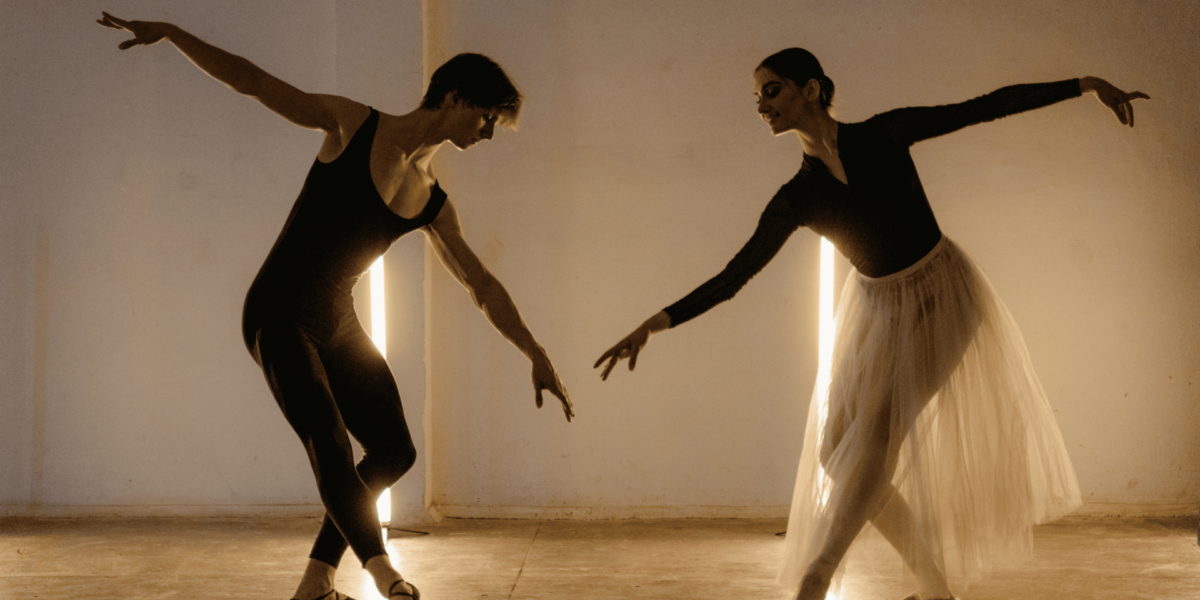
Ballet relies on more than strength and flexibility. Dancers perform complex movements by accessing something deeper—muscle memory. This form of memory stores patterns and skills in the nervous system through repetition.
Each ballet movement, from a plié to a grand jeté, becomes ingrained through consistent practice. The brain no longer needs to consciously guide every detail once the motion is learned. Instead, the body reacts automatically, guided by patterns established over time. This is how ballet dancers achieve fluidity and precision during performance.
Neural Pathways Reinforce Repetitive Motion
Muscle memory isn’t stored in the muscles themselves. It develops in the brain and spinal cord. When you repeat a ballet step, your nervous system creates stronger neural pathways linked to that movement.
Over time, these pathways become more efficient. Signals travel faster, and your body responds with greater accuracy. In ballet, where timing and coordination are critical, this rapid response system becomes essential. Dancers rely on these neural circuits to recall movements without hesitation.
Repetition Builds Automatic Responses
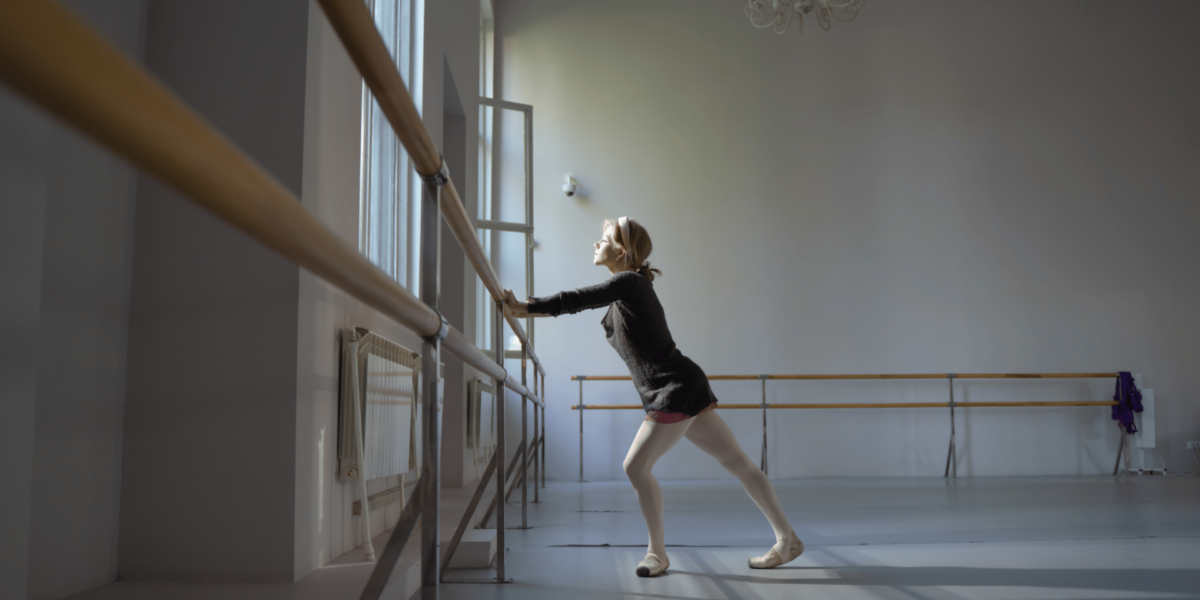
Ballet training emphasizes repetition because it helps encode movement into long-term memory. In class, dancers repeat exercises at the barre and in the center, not for novelty but to condition the body.
As movements become familiar, the effort required to perform them decreases. Your body can focus on refining technique instead of remembering each step. This automatic execution allows dancers to express emotion and artistry without being held back by uncertainty in their movements.
Ballet Retrains the Brain and Body
Adults returning to ballet or starting for the first time engage in relearning movement patterns that may feel foreign. The brain adapts by creating new neural pathways and strengthening existing ones. This process, known as neuroplasticity, plays a key role in skill development.
As you learn to align your posture, engage specific muscles, or execute a turn, the brain evaluates and adjusts. With repetition, these changes become permanent. Ballet, then, becomes more than movement—it becomes a tool for retraining how the body and brain communicate.
Overcoming Old Habits Through Targeted Practice
Adults often carry movement habits shaped by daily routines, injuries, or inactivity. Ballet helps undo these patterns through precise, intentional motion. Each exercise focuses on alignment, control, and balance.
By identifying and correcting inefficient habits, dancers learn new ways to move that reduce strain and improve performance. Muscle memory replaces outdated responses with healthier ones, improving function both inside and outside the studio.
Visualization Supports Muscle Memory Development
Mental rehearsal strengthens the same neural pathways activated during physical movement. Dancers who visualize combinations and corrections between classes enhance their muscle memory even when not physically dancing.
This strategy helps reinforce correct technique and improve recall. Visualization works alongside physical repetition to speed up learning and refine accuracy, making it a valuable tool in adult ballet training.
Progress Requires Patience and Consistency
Muscle memory builds over time. Progress in ballet does not come from occasional practice but from steady, focused effort. Adults may not see immediate changes, but each repetition contributes to long-term skill retention.
Small improvements in posture, timing, or flexibility indicate that the nervous system is adapting. Continued training reinforces these gains, eventually leading to smoother, more confident movement.
Ballet Enhances Functional Movement in Daily Life
The benefits of muscle memory in ballet extend beyond the studio. As dancers improve coordination, balance, and control, these skills carry over into everyday actions like walking, lifting, or reaching.
This makes ballet especially useful for adults looking to improve physical awareness and reduce injury risk. The muscle memory developed through ballet supports a more intentional way of moving in daily life.
The Lasting Impact of Ballet and Muscle Memory
Ballet transforms how the brain and body work together. Through repetition and neuroplasticity, dancers build muscle memory that supports both performance and everyday function.
For adults, ballet offers a unique way to relearn movement, correct harmful habits, and develop lasting physical skills. Whether returning to the studio or starting fresh, the science of muscle memory reveals how ballet shapes the body and mind through deliberate, repeated motion.