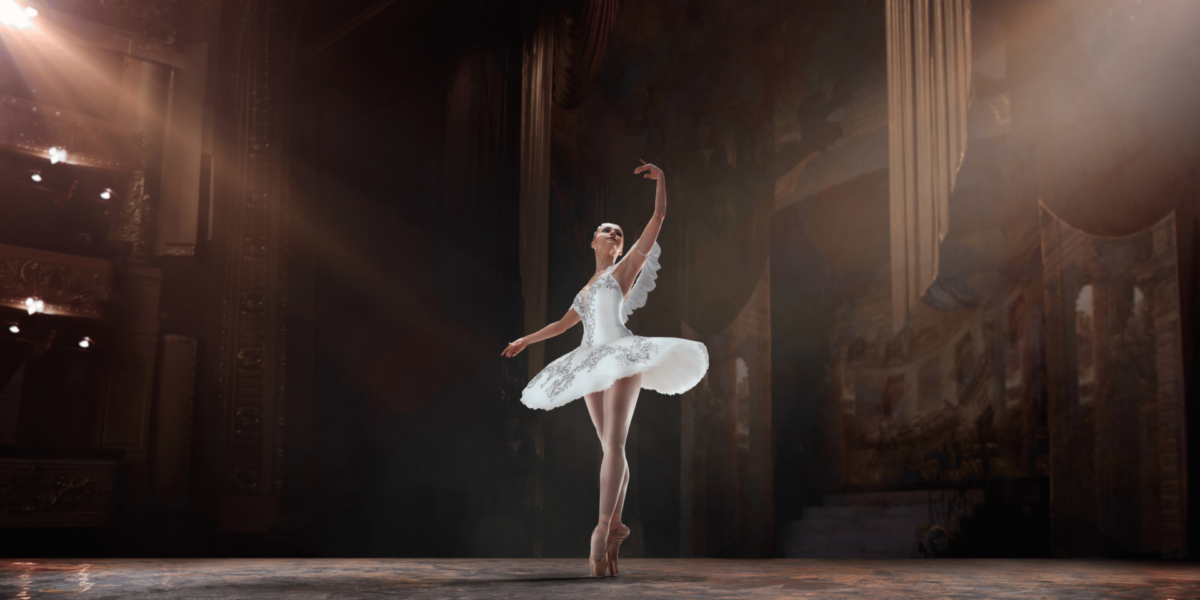
The studio is more than a place to exercise. It’s where self-doubt begins to shift, where each step builds presence, and where movement becomes a tool for personal transformation. In adult ballet, confidence doesn’t come from applause—it grows quietly through repetition, body awareness, and discipline. The journey begins with showing up and continues with every movement that follows.
The Studio as a Safe Space for Growth
Ballet studios offer structure and privacy that support learning without pressure. When you enter the studio, you step into a focused environment. Mirrors, barres, and flooring are all designed to support movement. More importantly, the space offers emotional safety. It becomes a controlled setting where you can challenge yourself without judgment. The structure of the class provides a reliable framework. That consistency helps reduce anxiety and builds a sense of control, which is key when working on self-confidence.
Movement Establishes a Connection to the Body
Confidence grows when you understand how your body moves and responds. Many adults begin ballet with a limited sense of physical awareness. Years of daily routines can dull your connection to posture, balance, and coordination. Ballet changes that. Each plié, tendu, and stretch requires conscious effort. The more time you spend in motion, the better you understand how your body works. That knowledge builds trust—not just in your body’s ability, but in your own capacity to improve.
Repetition Creates Predictability and Progress
Structured exercises make learning feel manageable and measurable. Ballet follows a predictable format. Each class includes warm-ups, barre work, center combinations, and cool-downs. While the steps may change slightly, the overall rhythm remains consistent. This structure makes it easier to track your progress. When you revisit the same movement each week and notice improvement, you build confidence in your learning process. It becomes clear that effort leads to growth, and that realization can shift how you approach challenges outside the studio.
Corrections Teach You to Receive Feedback Positively
Guidance in class helps reframe how you view mistakes. In the studio, corrections are part of every class. Instructors point out alignment, timing, or technique so you can adjust and improve. This feedback isn’t personal—it’s part of learning. Over time, you begin to respond with curiosity instead of defensiveness. You start to understand that being corrected means someone sees your potential. Accepting feedback with openness becomes a habit that supports confidence and encourages self-reflection in other areas of life.
Progress Is Felt Before It’s Seen
Internal changes often come before external transformation. Ballet teaches patience. You may not see immediate changes in appearance, but you’ll feel stronger, more balanced, and more aware. These internal shifts create the foundation for lasting confidence. You realize that growth doesn’t always need to be visible to be real. With every class, you become more present in your body, more comfortable in your movement, and more trusting of your ability to learn something new.
Movement Releases Tension and Builds Emotional Resilience
Ballet provides a physical outlet that supports emotional health. Class gives you time to focus on movement instead of distractions. The repetition of exercises, the rhythm of the music, and the coordination of breath and body all help calm the nervous system. This release allows you to process stress in a healthy way. As your physical resilience improves, so does your emotional stability. You leave class feeling lighter—not just physically, but mentally—and more capable of handling challenges outside the studio.
Individual Focus Supports Personal Confidence
Ballet encourages self-improvement without constant comparison. Unlike team sports or competitive fitness classes, ballet often centers around individual progress. You work within a group, but your focus stays on your own movement. This encourages internal validation rather than seeking approval from others. As you shift your focus inward, your confidence becomes less about how you look and more about how you feel. That internal shift helps create a stable, sustainable sense of self-assurance.
Small Wins Build Lasting Momentum
Achieving a single goal in class reinforces the belief that growth is possible. Confidence doesn’t arrive all at once. It builds through repeated experiences of success, no matter how small. Holding a balance longer than last week, remembering a new combination, or moving through a sequence without stopping—each of these wins reinforces progress. As they add up, they create momentum. You begin to expect improvement and approach each challenge with more optimism and trust in your process.
Posture and Presence Translate to Daily Life
What you practice in ballet influences how you carry yourself outside the studio. Ballet strengthens your core and improves alignment, which naturally affects posture. But the shift isn’t just physical—it’s also mental. Standing taller and moving with intention builds presence. You feel more grounded, more assertive, and more visible. Over time, this body language affects how others respond to you and how you see yourself. The physical confidence developed in ballet becomes part of your identity in the outside world.
Confidence Is Built, Not Given
Ballet shows that confidence grows from consistent effort and intentional movement. Inside the studio, every step matters. Each correction, each improvement, and each moment of focus contributes to something deeper than physical strength. It builds belief in your own capability. That belief becomes confidence—not loud or flashy, but steady and strong. Ballet teaches you to trust your body, to value your progress, and to show up with presence. In doing so, it offers more than movement. It offers transformation from the inside out.