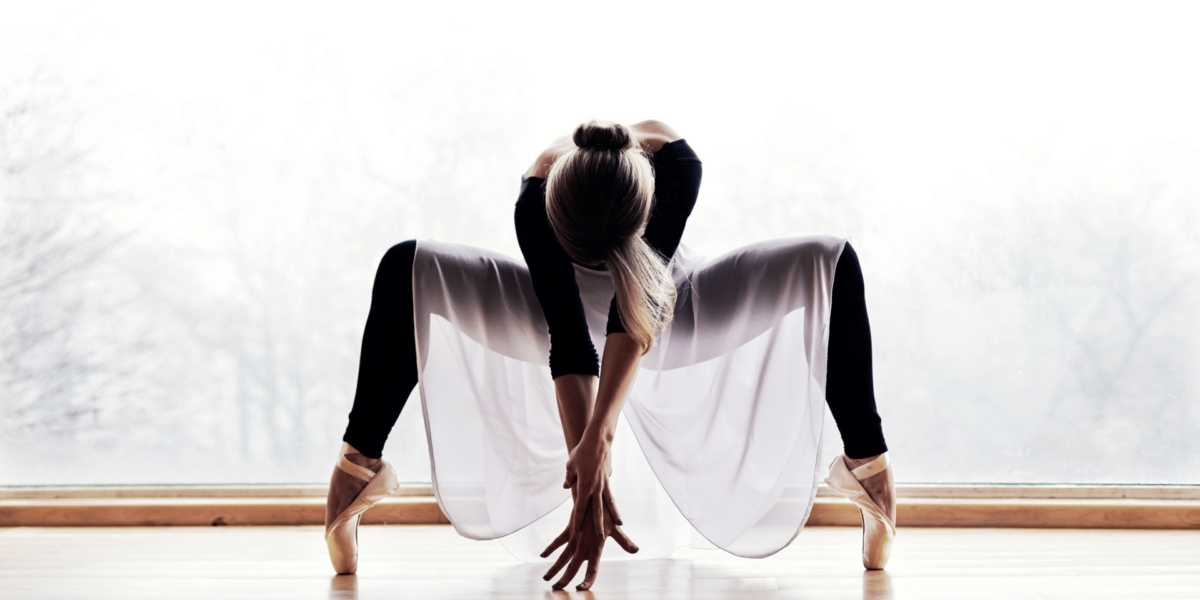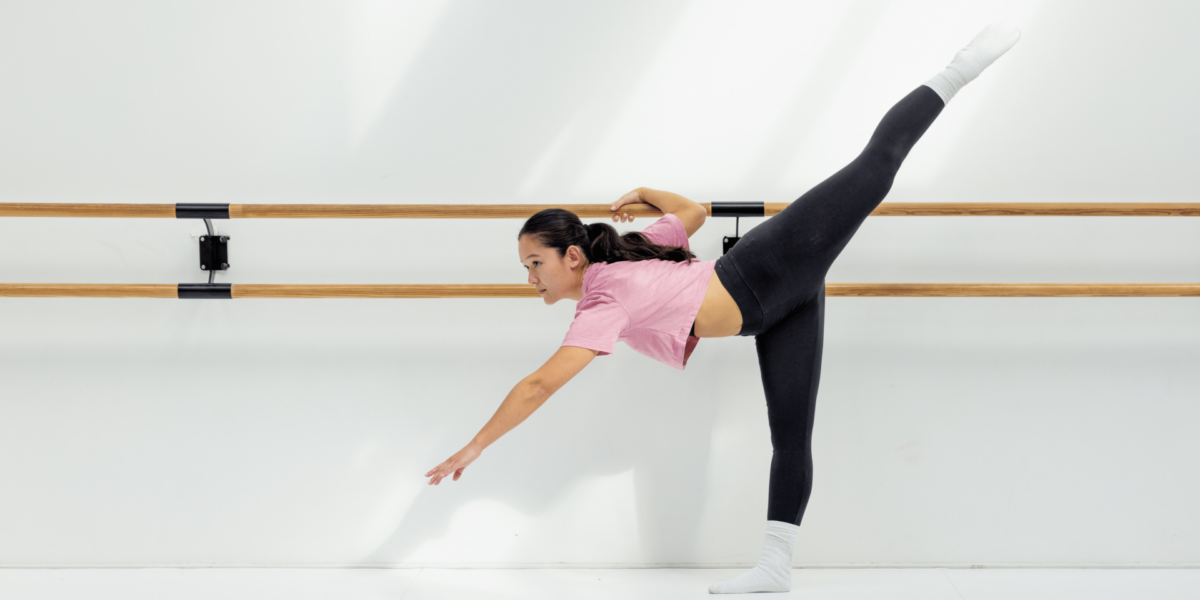
Returning to the Barre: Rediscovering Ballet as an Adult

Adult Ballet Encourages Purposeful Movement

Ballet requires focus, balance, and control, which makes it an ideal practice for adults seeking structured movement. Unlike casual workouts, ballet trains the body with discipline and precision. In a typical class, an adult learner moves through sequences that improve posture, coordination, and body awareness.

Ballet Offers a New Approach to Fitness

Adult ballet classes combine strength, flexibility, and endurance into a single routine. The emphasis on alignment and muscle control challenges the body differently than traditional fitness programs. In weekly sessions, participants feel the difference in how they stand, walk, and carry themselves in everyday life.

Rediscovering Ballet Rekindles Creative Expression

Dance provides a space to express emotion through movement. For adults returning to ballet, choreography becomes a form of storytelling. In the studio, a person may reconnect with their creative side, using each combination to express rhythm and feeling with clarity and purpose.

Ballet Classes Support Mental Clarity and Focus

Learning combinations and refining technique requires concentration. Ballet helps adults stay mentally present, reducing distractions and sharpening focus. In a realistic class setting, following the structure of barre and center work provides a mental break from daily stress, while reinforcing cognitive engagement.

Proper Technique Enhances Physical Awareness

Ballet teaches precise control over each part of the body. Adults develop a better understanding of alignment, joint movement, and muscle activation. During consistent practice, participants gain the ability to self-correct and adjust based on how their body responds, which supports safe and efficient movement.

Community Builds Confidence in the Studio

Adult ballet classes often create supportive environments where participants can grow without judgment. Peers encourage each other through shared experience and effort. In regular attendance, an adult dancer finds motivation and accountability by connecting with others working toward similar goals.

Structure and Routine Improve Personal Discipline

Each ballet class follows a consistent format, which helps adults build routine and time management skills. Barre exercises, center combinations, and cooldowns offer a reliable rhythm. In everyday life, committing to a weekly class supports consistency and helps reinforce personal goals outside the studio.

Returning to Ballet Strengthens Emotional Resilience

Stepping into the studio after time away requires vulnerability and openness. Adult dancers often confront frustration, self-doubt, or physical limitations. By facing these challenges regularly, they develop patience and persistence. These traits carry over into daily responsibilities and decision-making.

Progress in Ballet Happens With Repetition and Patience

In adult ballet, improvement is gradual. Repetition helps the body build memory, and steady practice deepens understanding. During a season of training, a student may notice stronger balance, smoother transitions, and increased flexibility—not from shortcuts, but from steady effort.

Ballet Offers a Personal Journey, Not a Comparison

Adult dancers return to the barre for different reasons: fitness, creativity, focus, or joy. The experience becomes more meaningful when the goal is progress rather than perfection. In a typical class, students focus on their own alignment, timing, and growth without needing to match anyone else’s path.

Rediscovering Ballet Brings Lifelong Benefits

Ballet offers a sustainable way to maintain physical and mental health. The practice improves coordination, posture, emotional awareness, and confidence. In daily life, these benefits extend beyond the studio, supporting everything from walking posture to stress relief. Returning to ballet as an adult becomes not just a hobby, but a commitment to long-term well-being.
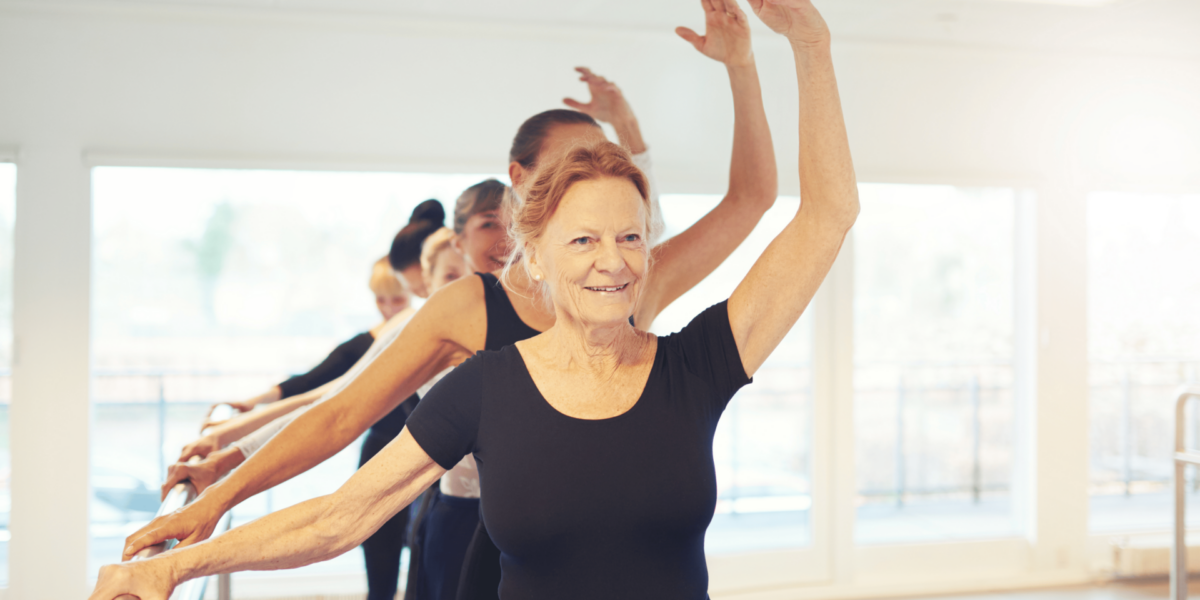
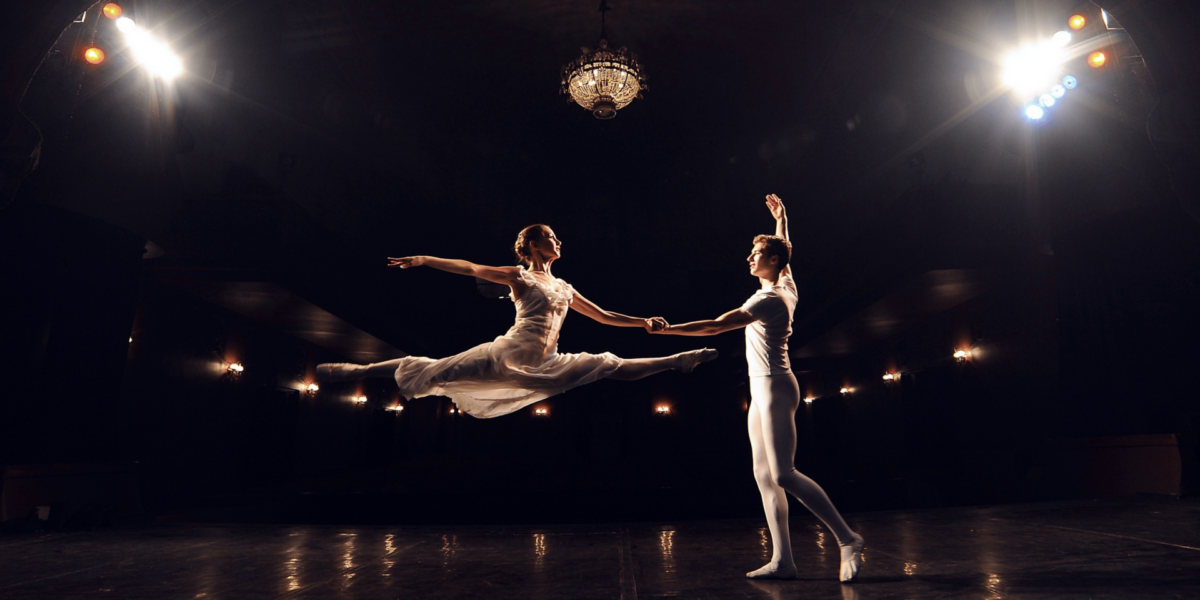
How Adult Ballet Classes Foster Confidence and Creativity

Building Confidence Through Skill Development

Adult ballet classes foster confidence by focusing on steady skill progression. Each new step learned and mastered provides a sense of achievement that boosts self-esteem. A student practicing basic combinations and later advancing to more complex choreography experiences measurable growth, reinforcing belief in their ability to learn, adapt, and succeed both inside and outside the studio.

Overcoming Fear of Failure in a Supportive Environment

Ballet classes for adults create a structured yet supportive setting where mistakes are viewed as part of the learning process. Teachers encourage students to correct form and timing without judgment. An adult who hesitates at first gains assurance over time as they realize improvement comes from persistence, not perfection, helping to eliminate fear of making mistakes in future challenges.

Setting and Achieving Personal Goals

Adult ballet classes encourage participants to set personal goals, whether mastering a new position or improving flexibility. Reaching these milestones builds a habit of success. A dancer working steadily toward achieving a clean pirouette or a smooth arabesque finds that setting goals—and reaching them—transfers to building discipline and ambition in other areas of life.

Enhancing Creative Expression Through Movement

Ballet offers adults a powerful way to express creativity without relying on words. Choreography blends music, emotion, and movement, allowing dancers to tell a story through their bodies. A student interpreting a musical phrase through dance experiences the freedom to explore different emotional tones, sparking creativity that continues into personal and professional projects.

Connecting Physical Movement to Emotional Release

Dance bridges the physical and emotional aspects of human experience. In adult ballet, movement often reflects deeper emotional themes, allowing students to explore and release feelings safely. A participant channeling frustration or joy through a series of controlled movements leaves class feeling lighter, as ballet provides an outlet for emotions that might otherwise remain unspoken.

Encouraging Risk-Taking in a Structured Setting

Ballet requires dancers to step outside their comfort zones, whether by attempting a new combination or performing in front of classmates. The structure of ballet class, with its consistent routines and teacher guidance, makes taking these risks feel safe. An adult willing to try new challenges in dance builds courage to embrace risks in other areas of life, strengthening resilience and adaptability.

Strengthening Mind-Body Connection for Greater Awareness

Adult ballet classes emphasize the mind-body connection through detailed attention to posture, coordination, and breath control. This heightened awareness deepens a dancer’s ability to listen to internal cues, leading to greater self-trust and intuitive decision-making. A person who becomes attuned to their body’s needs and responses develops stronger instincts that benefit daily interactions and choices.

Building Community and Positive Social Connections

Adult ballet fosters a sense of community that strengthens confidence through positive social interaction. Classmates support and encourage one another, creating a space where shared experiences form strong bonds. A dancer who feels seen and valued by peers gains confidence in their abilities and enjoys a greater sense of belonging, which boosts motivation and emotional well-being.

Realistic Scenario: Experiencing Confidence and Creativity Growth

Imagine an adult who feels stuck in a routine work schedule, craving a way to challenge themselves and reconnect with creativity. They join a beginner ballet class and struggle at first with the basics. Over weeks of dedicated practice, they master foundational techniques, learn to express themselves through choreography, and feel more comfortable taking risks. Outside of class, they approach work presentations with more confidence and explore creative hobbies they had long abandoned, all sparked by their ballet experience.

Unlocking New Potential Through Ballet

Adult ballet classes offer more than physical benefits; they nurture confidence, inspire creativity, and build emotional resilience. Through structured skill development, creative exploration, and positive community support, adults find new ways to believe in themselves and express their individuality. Ballet becomes a journey of personal growth, empowering students to move through life with greater strength, courage, and creative spirit.

Building Strength and Grace with Every Ballet Class

Ballet Training Develops Total Body Strength

Every ballet class targets full-body strength by engaging muscles from head to toe. Movements at the barre and in the center require stability from the core, legs, back, and arms. A dancer working through exercises like pliés and relevés steadily builds strength that supports posture, endurance, and controlled motion throughout daily activities.

Core Engagement Forms the Foundation of Control

Core strength is central to achieving balance and precision in ballet. Classes emphasize pulling the abdominal muscles inward and lifting through the spine, training the body to support itself efficiently. A student applying core engagement during each movement experiences greater stability, allowing for smoother transitions and reducing the risk of strain or imbalance.

Leg Power Improves Through Repeated Exercises

Ballet movements like tendus, jetés, and grand battements strengthen the quadriceps, calves, hamstrings, and glutes. Regular practice builds the explosive strength needed for jumps and the endurance required for long routines. An adult attending weekly ballet sessions notices increased leg power that enhances both athletic performance and everyday mobility.

Arm and Back Strength Support Upper Body Elegance

In ballet, the arms are never static; they move purposefully to frame the body and maintain balance. Lifting, extending, and sustaining arm positions develops strength in the shoulders, upper back, and chest. A dancer mastering port de bras experiences how coordinated arm movement contributes to a more graceful, poised appearance without unnecessary tension.

Flexibility Enhances Both Strength and Line

Strength and flexibility work together in ballet to create extended, fluid lines. Stretching during warm-ups and cool-downs allows muscles to lengthen safely while maintaining their power. Over time, a dancer feels their body moving more freely, achieving high extensions and deep pliés without sacrificing stability or control.

Balance Exercises Refine Stability and Poise

Ballet classes incorporate balance work that sharpens body awareness and control. Poses such as arabesques, retirés, and attitudes require stillness and strength through the supporting leg and core. A student practicing balance consistently develops poise that extends beyond dance, improving posture and fluid movement in everyday tasks.

Coordination Builds Seamless Movement

Coordination between arms, legs, and torso is vital to executing ballet combinations gracefully. Ballet training demands split-second timing and the ability to connect steps without hesitation. A dancer mastering complex sequences in class sharpens their ability to move with intention, ensuring every action appears effortless and unified.

Mind-Body Connection Deepens Physical Awareness

Ballet strengthens the mind-body connection by encouraging dancers to remain fully present during movement. Concentrating on body alignment, muscle engagement, and breathing patterns improves control over physical actions. Adults investing in regular ballet practice notice enhanced physical awareness, leading to better balance, agility, and graceful composure during daily activities.

Realistic Scenario: Seeing Transformation Through Ballet

Imagine an adult who decides to join a beginner ballet class to improve fitness and coordination. During the first classes, movements feel unfamiliar and balance seems shaky. After several months of consistent practice, they observe real changes: stronger legs, steadier posture, more flexible joints, and a natural grace in everyday movement. Their body feels lighter, more aligned, and more capable—an evolution made possible by the continuous discipline of ballet training.

How Ballet Strengthens the Body and Elevates Movement

Ballet offers a powerful combination of strength-building, flexibility, coordination, and grace. Each class systematically challenges and develops key muscle groups while nurturing physical awareness and elegance. Adults who commit to ballet training not only transform their bodies but also carry the benefits of strength, poise, and confidence into every area of life. Through dedicated practice, they rediscover their natural power to move beautifully and purposefully.

Why Ballet Is the Ultimate Stress Reliever for Adults

Engaging the Mind and Body Simultaneously

Ballet relieves stress by requiring full mental and physical engagement. Every movement demands focus on posture, balance, and coordination, leaving little room for intrusive thoughts. An adult stepping into a ballet class must concentrate on mastering the choreography, which shifts attention away from daily worries and redirects it toward purposeful action.

Structured Movement Encourages Mental Calmness

The structured nature of ballet helps calm the mind by providing clear goals and predictable sequences. Dancers follow a set order of exercises, starting with barre work and moving to center practice. This consistent structure offers a sense of stability and control, allowing adults to feel grounded during moments of external uncertainty or emotional overload.

Physical Activity Releases Built-Up Tension

Ballet physically releases tension that accumulates from stress. Stretching, jumping, and flowing through movements activate large muscle groups and stimulate blood circulation. After completing a ballet session, the body feels lighter and more relaxed, as stored physical stress has been replaced with healthy, controlled energy.

Deep Breathing Supports Relaxation

Proper breathing is essential in ballet, where dancers coordinate their breath with movement to sustain balance and grace. This focus on deep, rhythmic breathing mirrors techniques used in mindfulness and meditation. A dancer consciously regulating breath during pliés and port de bras feels immediate relief from shallow, stress-induced breathing patterns common in tense situations.

Building Emotional Expression Through Dance

Ballet provides adults with an outlet for emotional expression through nonverbal communication. Movements linked to musical phrasing offer a channel for expressing joy, sadness, or resilience. An adult who struggles to articulate feelings verbally finds freedom in translating emotion into physical form, leading to emotional release and greater inner peace.

Boosting Endorphins to Improve Mood

Regular ballet practice stimulates the release of endorphins, the body’s natural mood boosters. These chemicals promote feelings of well-being and reduce perceptions of pain. After an hour of dancing, a participant often feels more positive and energized, which helps counteract the emotional exhaustion that stress produces over time.

Developing Confidence Through Skill Progression

As adults improve their ballet skills, they build confidence through visible progress. Mastering new steps and routines reinforces a sense of achievement and competence. A dancer experiencing personal growth through ballet carries this confidence into other areas of life, strengthening resilience against stressors both big and small.

Encouraging Mindfulness in Every Class

Ballet fosters mindfulness by requiring dancers to stay present and aware during each exercise. Every lift of the leg or extension of the arm demands attention to alignment, strength, and timing. This practice of staying mentally connected to the body trains adults to remain present in daily life, reducing the tendency to ruminate on past events or worry about the future.

Realistic Scenario: Ballet as a Refuge from Daily Stress

Imagine an adult balancing a demanding career, family responsibilities, and personal challenges. They choose to enroll in an evening ballet class once a week. For that hour, they leave emails, phone calls, and tasks behind. Instead, they focus entirely on mastering the positions and moving with the music. Over time, they notice a profound shift—less daily anxiety, greater patience, and a deeper sense of personal satisfaction—all rooted in their commitment to dance.

Ballet as a Lasting Solution for Stress Relief

Ballet stands out as the ultimate stress reliever for adults because it combines mental focus, physical activity, emotional expression, and mindful breathing in a structured yet creative practice. By committing to ballet, adults gain a powerful tool to manage daily stress, improve emotional resilience, and nurture both body and mind. Every class becomes a stepping stone toward a more balanced, fulfilled, and peaceful life.