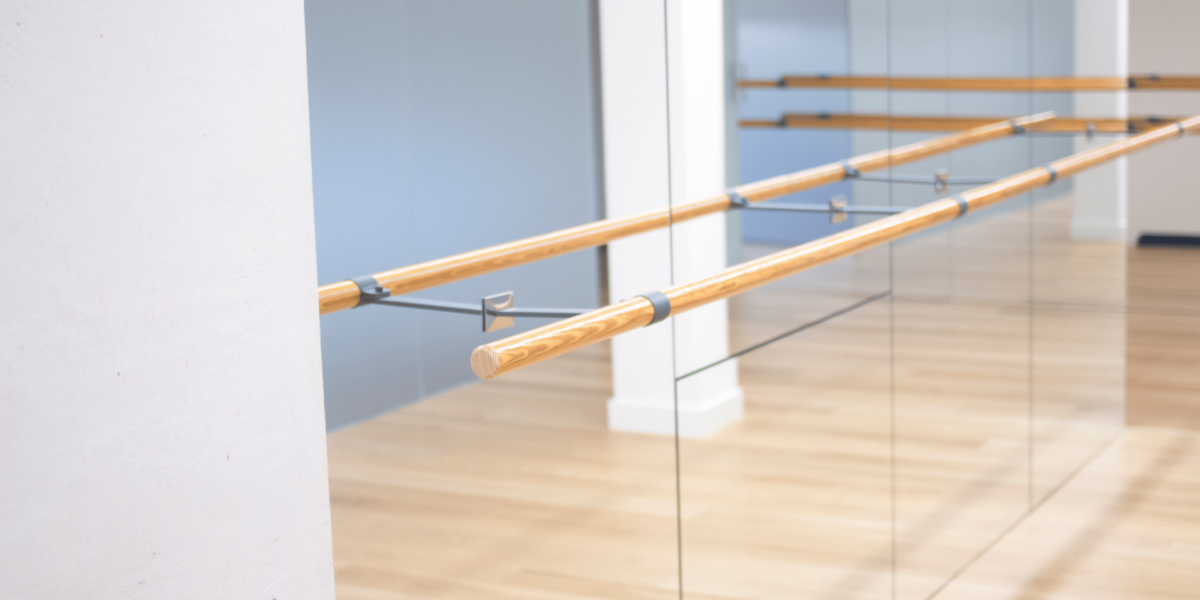
Grace in Motion: Rediscovering Ballet as an Adult

Ballet Offers a Path Back to Movement

Rediscovering ballet as an adult begins with a return to movement. For many, daily life restricts physical expression. Ballet provides structure, balance, and controlled motion that reconnects the body with rhythm and form.

When an adult steps into a studio for the first time, the space signals something different. The focus shifts from efficiency to expression. Movement becomes thoughtful, and posture begins to reflect purpose.

The Structure of Class Builds Confidence

Adult ballet classes follow a clear structure. Each session includes barre work, center combinations, and movement across the floor. This repetition supports progress and offers a predictable rhythm for learning.

Someone attending weekly begins to understand the sequence. Their body adjusts to the demands of each section, gaining strength and stability with time. The framework allows steady improvement without guesswork.

Ballet Challenges the Mind and Body Together

Unlike workouts that isolate muscle groups, ballet asks for coordination. Each movement connects to breath, music, and spatial awareness. The mental focus required keeps the mind present and engaged.

An adult working through a combination must remember steps, maintain alignment, and adapt to timing. This level of attention sharpens memory and increases mental clarity.

Progress in Ballet Is Measured by Mastery, Not Speed

In adult ballet, progress is not rushed. It is measured through control, musicality, and quality of movement. Speed or intensity doesn’t define success. Instead, growth shows in posture, transitions, and awareness.

Someone who practices regularly notices how they carry themselves outside the studio. Their movements feel more aligned. This subtle shift reflects the internal strength built through repeated refinement.

Community Creates Support Without Pressure

Adult ballet studios foster a culture of encouragement. Most dancers return to the art with personal goals, not competitive ones. This shared motivation builds a respectful and inclusive atmosphere.

In class, someone may glance across the room and see others navigating the same challenge. That shared experience removes judgment and promotes support. Everyone learns together.

Technique Improves Functional Strength

Ballet develops deep muscles responsible for stability and control. Core engagement, turnout, and alignment translate into improved posture and reduced strain in daily movement.

As someone moves through tendus and pliés, they strengthen the muscles around joints. Over time, this conditioning supports walking, standing, and sitting with less effort and more awareness.

Musicality Reconnects the Senses

Dancing to music invites emotional expression. Timing steps to a piano or violin line brings flow to movement and adds depth to physical repetition. Musicality becomes a partner in every combination.

When someone hears a familiar melody in class, their body responds. They match movement to sound. This coordination creates a full-body experience that feels expressive and intentional.

Ballet Offers a Break From Distraction

In the studio, outside concerns fall away. There are no phones, no screens, and no noise. Each moment focuses on alignment, movement, and space. This focus offers a form of relief from mental clutter.

As someone stretches at the barre, their mind clears. They attend only to the task at hand. This presence becomes restorative, offering a pause from the pace of everyday life.

Attire and Ritual Add to the Experience

Wearing dance attire and following ballet rituals reinforces commitment. Putting on slippers, warming up at the barre, and observing studio etiquette create a sense of purpose.

Before class, someone changes clothes and steps into a specific mindset. These actions mark the shift from routine to reflection. The ritual creates space for learning and growth.

Ballet Reconnects Adults With Their Creative Side

Returning to ballet opens a door to creativity. Dancers interpret music, explore emotion through movement, and make aesthetic choices. The studio becomes a place not just for skill, but for self-expression.

When someone rehearses a combination, they begin to find style within structure. Their arms soften, their timing adapts. The movements reflect who they are, not just what they are taught.

Grace Comes From Consistent Effort

Grace in ballet is not about perfection. It develops through repeated effort and conscious movement. Each step, no matter how basic, contributes to a larger sense of control and fluidity.

As someone practices regularly, grace becomes part of their physical language. They move with intention. This quality extends beyond the studio, shaping how they carry themselves in everyday life.

Ballet Reminds Us It’s Never Too Late to Begin

Adults often believe it’s too late to return to movement, art, or self-expression. Ballet proves otherwise. The structure, support, and beauty of the practice welcome people at any stage.

Each class affirms the decision to move, learn, and grow. Ballet becomes more than a physical pursuit—it offers a way to reconnect with self, to find strength in softness, and to rediscover grace in motion.

Finding Flow: The Mental Clarity of Ballet Practice

Connecting Movement to Mental Focus

Ballet practice enhances mental clarity by demanding complete focus on movement, timing, and form. When students enter the studio, they leave distractions behind and turn their attention to the precision of each step.

In the quiet rhythm of a warm-up, a dancer tunes in to the details: posture, breath, and body alignment. This shift in focus activates mental presence. The brain engages with the body in real time, creating a steady rhythm of awareness that silences background noise.

Creating a Structured Environment for Mindfulness

The structure of ballet class fosters mindfulness. With a set sequence of exercises and clearly defined expectations, the mind learns to anticipate and respond. This repeated format builds a familiar pattern, which supports concentration and inner calm.

A dancer participating in class after a stressful day quickly shifts into a focused state. As the routine unfolds, the structure anchors the mind. This process trains the brain to stay engaged, reducing mental clutter and anxiety.

Engaging the Senses Through Movement

Ballet connects sensory input with physical response. Music guides timing, mirrors provide visual feedback, and floor resistance shapes movement. This sensory engagement helps the mind align with the present moment.

When a dancer listens to musical cues and adjusts movement based on what they see and feel, their awareness deepens. The result is a state of flow where the mind stops anticipating and begins responding.

Challenging the Brain With Complex Sequences

Mental clarity improves as the brain works to learn and recall movement sequences. Each combination challenges memory, coordination, and timing. These demands train the mind to process information quickly and adapt with precision.

In one scenario, a dancer memorizes a combination with changing directions and rhythm. To succeed, they must stay alert, adjust quickly, and focus fully. These repeated mental tasks improve cognitive function and promote sharper thinking.

Using Repetition to Strengthen Focus

Repetition plays a key role in building clarity. As dancers return to the same steps, their understanding deepens. This repetition is not mindless—it refines both movement and concentration.

Each time a dancer revisits an exercise, they notice subtle changes: muscle activation, balance, or breath control. Tracking these changes keeps the mind engaged. Over time, repeated effort develops sharper focus and sustained attention.

Releasing Mental Tension Through Physical Control

The physical control ballet requires helps release mental tension. Muscles lengthen and contract with precision, creating a grounded sense of strength. This connection between body and brain reduces stress.

When dancers move through controlled sequences, their minds shift from scattered thought to focused effort. This redirection helps regulate mood, reduces overwhelm, and promotes a steady emotional state.

Building Emotional Resilience Through Practice

Ballet helps develop emotional discipline by teaching students to manage frustration, self-doubt, and mental fatigue. The focus needed for class leaves little room for rumination or distraction.

In moments when progress feels slow, dancers must remain present and keep moving forward. This consistent redirection of thought teaches resilience. It strengthens the ability to stay calm and focused, even during difficulty.

Establishing a Routine for Mental Wellness

Regular ballet practice provides structure that supports mental wellness. Returning to class weekly creates a predictable rhythm that stabilizes the mind. The body begins to anticipate movement, and the brain prepares for focused effort.

This routine becomes a source of clarity in daily life. Knowing there is a consistent outlet for stress, movement, and focus gives dancers a dependable way to clear mental noise and stay grounded.

Ballet and Clarity

Ballet practice strengthens mental clarity by aligning structure, movement, and focus. The discipline invites students to slow down, observe, and connect. In this focused environment, the mind sheds distractions and builds resilience.

Through routine, repetition, and control, ballet becomes more than physical training. It serves as a mental reset—a time to refocus, restore, and move with clear intent. In the studio, dancers find not just technique, but clarity that carries into everyday life.

Beyond the Mirror: What Adult Ballet Teaches About Discipline

The Structure Behind the Practice

Adult ballet students benefit from the clear structure that ballet provides. Each class follows a sequence, starting at the barre and progressing to center work. This predictable format builds discipline through routine. The body begins to associate certain movements with focus and effort.

A working professional who joins evening ballet classes commits to a regular schedule. They arrive on time, change into proper attire, and follow the set sequence of exercises. This routine reinforces time management, commitment, and consistency—all key aspects of discipline.

Mastering Details Through Repetition

Ballet requires attention to detail. Every movement depends on alignment, timing, and precision. Adult students quickly learn that mastery doesn’t come from rushing through steps but through repeating them with care.

In class, a dancer might spend weeks refining a plié or tendu. The repetition sharpens mental focus and body awareness. Over time, these small corrections build muscle memory and improve execution. The discipline lies in returning to the same movement and performing it with greater accuracy each time.

Balancing Patience With Persistence

Progress in ballet is gradual. Adults often need to adjust expectations, especially if they are returning to dance after many years. Improvement doesn’t come in large leaps but through steady, patient effort.

A dancer may struggle with balance or coordination at first. Instead of becoming discouraged, they learn to observe their weaknesses and address them methodically. This practice of honest assessment and repeated effort deepens their sense of discipline.

Building Mental Resilience

Ballet challenges the mind as much as the body. Memorizing combinations, responding to corrections, and staying focused in class require mental endurance. Adults develop resilience by pushing through moments of self-doubt or frustration.

After a demanding class, a dancer may feel physically tired but mentally clearer. They learn to accept constructive feedback and apply it without taking it personally. This mental resilience transfers to other parts of life, reinforcing a disciplined approach to challenges.

Fostering Self-Accountability

In adult ballet, no one forces participation. Students attend by choice. This autonomy fosters a strong sense of accountability. When they miss a class or skip a practice, they feel the difference in their performance.

Knowing that progress depends on personal effort encourages dancers to prepare mentally and physically before class. They stretch, review material, and show up ready to learn. Self-discipline grows when individuals take ownership of their learning process.

Creating Space for Long-Term Commitment

Discipline in ballet isn’t limited to a single class. It develops over months and years. Adults who commit to training experience how long-term practice shapes both their bodies and mindset.

Over time, dancers notice improved strength, posture, and coordination. These changes result from consistent effort, not short bursts of activity. The ability to stay the course, even through plateaus, reflects the deep discipline that ballet cultivates.

Integrating Ballet’s Lessons Into Daily Life

The discipline learned in ballet doesn’t stay in the studio. Adults carry the mental habits they build into daily routines. They plan better, follow through more consistently, and pay closer attention to detail.

Whether managing a busy job or personal goals, ballet students use the focus and structure developed in class. The training strengthens their ability to set priorities and approach problems with calm determination.

Ballet and Discipline

Adult ballet offers more than physical fitness. It builds a mindset rooted in structure, persistence, and self-awareness. The discipline gained from regular practice enhances how adults move through the world—focused, intentional, and committed.

Beyond the mirror, ballet becomes a form of mental training. Through repetition, patience, and resilience, dancers cultivate habits that support both personal growth and lifelong wellness.

The Art of Movement: Ballet Training for the Grown Body

Rediscovering Ballet as an Adult

Ballet training isn’t only for children and teens. More adults are turning to ballet to reconnect with their bodies, improve posture, and build strength. The grown body brings a different awareness to movement. Adult ballet students may not aim for the stage, but they approach the discipline with dedication and maturity.

In a quiet studio, an adult steps up to the barre, focused on alignment and breath. Their movement reflects years of experience carried in the body—from jobs, parenting, or injuries. Unlike young dancers, adult students prioritize longevity, mobility, and mindfulness.

Understanding the Mature Body’s Needs

The adult body has unique needs that differ from a younger dancer’s frame. Joints may feel stiffer, muscle mass may shift, and recovery times often lengthen. Training must adapt to these realities.

Smart ballet programs for adults emphasize safe technique over extreme flexibility. Instructors cue alignment to protect the knees, hips, and back. Rather than force turnout, adults work within their natural range, gradually increasing strength and control.

Building Strength Through Ballet

Ballet is a full-body workout that challenges strength, balance, and coordination. For adults, this physical demand becomes a valuable form of cross-training. Each movement requires core engagement, leg strength, and upper body control.

Consider a 45-year-old office worker who starts taking ballet twice a week. Over several months, their posture improves, their back pain lessens, and their confidence grows. Instead of pushing for perfection, they focus on form and breath. This steady practice creates long-term change.

Developing Mobility and Balance

As we age, balance becomes more important. Ballet trains the nervous system and stabilizing muscles to respond quickly and safely. Movements like relevé and arabesque challenge the feet, ankles, and hips to coordinate and hold weight.

Adults often find ballet improves how they walk, climb stairs, or stand for long periods. These real-life benefits build motivation. With every plié and tendu, the grown body gains trust in its ability to move well.

Prioritizing Injury Prevention

Adult ballet students must pay close attention to injury prevention. Warming up thoroughly, listening to pain cues, and allowing recovery time all matter more with age. Classes designed for adults often begin with gentle floor work and progress slowly.

Instructors help students adjust movement to suit individual limitations. Instead of forcing high extensions, adults may work at hip height while focusing on muscle engagement and control. This keeps the training effective and sustainable.

Using Mindfulness to Deepen the Practice

Many adults appreciate ballet for its meditative quality. The focus on breath, movement, and music creates a space away from daily stress. Each class becomes a mental reset.

A student who juggles caregiving and work responsibilities might find clarity in the repetition of port de bras and plié sequences. Ballet’s structured format encourages presence and awareness, offering both physical and mental rewards.

Adjusting Expectations for Progress

Progress in adult ballet looks different from traditional training paths. Rather than aiming for competitions or performances, adults often set personal goals: mastering a pirouette, holding balance longer, or remembering a full combination.

Celebrating small wins keeps motivation high. Instructors play a key role by offering clear corrections and realistic encouragement. This respectful approach acknowledges the body’s limits while honoring its growth.

Creating a Supportive Ballet Community

Adult ballet classes thrive when they foster community. Training alongside peers with shared life experience builds connection and accountability. Many dancers return each week not just for the workout, but for the friendships and encouragement.

Studios that welcome adult learners with diverse backgrounds create inclusive spaces. No one needs to “look the part” to benefit from ballet. What matters is showing up and engaging with the movement.

Ballet for the Grown Body

Ballet training for the adult body centers on quality of movement, mindful progress, and self-respect. With proper guidance and realistic expectations, grown dancers can build strength, mobility, and joy through consistent practice.

By returning to the barre with curiosity and patience, adults experience ballet not as a race to perform, but as a lifelong tool for wellness and expression. The art of movement becomes a personal journey, grounded in awareness and guided by discipline.

Grace in Progress: How Ballet Builds Confidence at Any Age

Ballet Training Supports Confidence Through Structure

Ballet classes follow a predictable sequence that helps dancers feel grounded. Each session begins with barre work, followed by center practice and choreography. This routine builds familiarity, allowing dancers to focus on refining their technique. In a weekly class, participants gain confidence by knowing what to expect and seeing gradual improvement.

Mastering Technique Boosts Self-Awareness

Ballet teaches precise movement, posture, and alignment. As dancers learn to control their bodies, they become more aware of how they carry themselves in and out of class. In realistic practice, someone who focuses on balance and form develops a stronger sense of physical presence and personal discipline.

Repetition Builds Trust in the Learning Process

Progress in ballet comes from consistent practice. Each step, turn, or pose is repeated until it becomes second nature. Over time, students see how small improvements add up. In a typical class, someone might revisit the same movement over several weeks and notice increased control and clarity, which reinforces their belief in their ability to grow.

Performing Builds Courage and Focus

Sharing movement with others—whether in class or on stage—requires composure. Dancers practice presenting their work with poise, even when unsure. In a group setting, performing in front of peers helps someone manage nervousness, sharpen their focus, and stay present. These experiences build internal confidence that carries over into other aspects of life.

Feedback Encourages Growth Without Comparison

Instructors offer clear, direct feedback that focuses on alignment, timing, and execution. This guidance helps dancers improve without pressure to compete. In a class setting, someone learning at their own pace may feel empowered by personal milestones rather than comparing themselves to others. Positive correction becomes a tool for growth.

Physical Strength Supports Emotional Stability

Ballet improves strength, endurance, and flexibility. As the body becomes stronger, dancers often feel more capable in daily movement. In a regular routine, someone who notices increased stamina or improved balance may also experience a lift in confidence, knowing their body supports their goals.

Goal Setting Helps Dancers Stay Motivated

Ballet naturally includes short- and long-term goals. Dancers aim to master combinations, memorize choreography, and refine posture. Setting realistic objectives provides direction and motivation. In weekly training, checking off progress points gives dancers a clear sense of achievement and a reason to continue showing up.

Ballet Class Creates a Supportive Community

Shared learning environments offer connection and encouragement. Fellow dancers understand the challenges and celebrate progress together. In a studio setting, someone who returns each week builds familiarity and finds motivation from peers who value effort, discipline, and mutual respect.

Adaptability Builds Confidence at Any Age

Ballet meets dancers where they are physically and mentally. Classes designed for adults offer modifications and pacing that support individual progress. Whether returning to dance or trying it for the first time, participants gain confidence as they discover what their bodies can achieve at their own pace.

Progress in Ballet Reflects Personal Commitment

Confidence grows when dancers recognize their role in their own improvement. Showing up, practicing regularly, and staying patient reinforces self-trust. In everyday life, these habits transfer to other goals. A dancer who consistently works through difficult combinations builds not just skill, but self-belief.

Ballet Strengthens the Connection Between Body and Mind

Each movement in ballet demands attention and intention. As dancers align their physical actions with musical cues and technique, they develop stronger mental focus. In weekly class sessions, this integration of body and mind supports lasting confidence rooted in presence and purpose.

Confidence Through Ballet Grows With Every Class

Ballet is not about instant perfection but steady development. With each class, dancers build confidence by moving with greater control, awareness, and expression. Over time, these gains create a foundation of trust in the self—on the dance floor and beyond.