Ballet Training Supports Confidence Through Structure
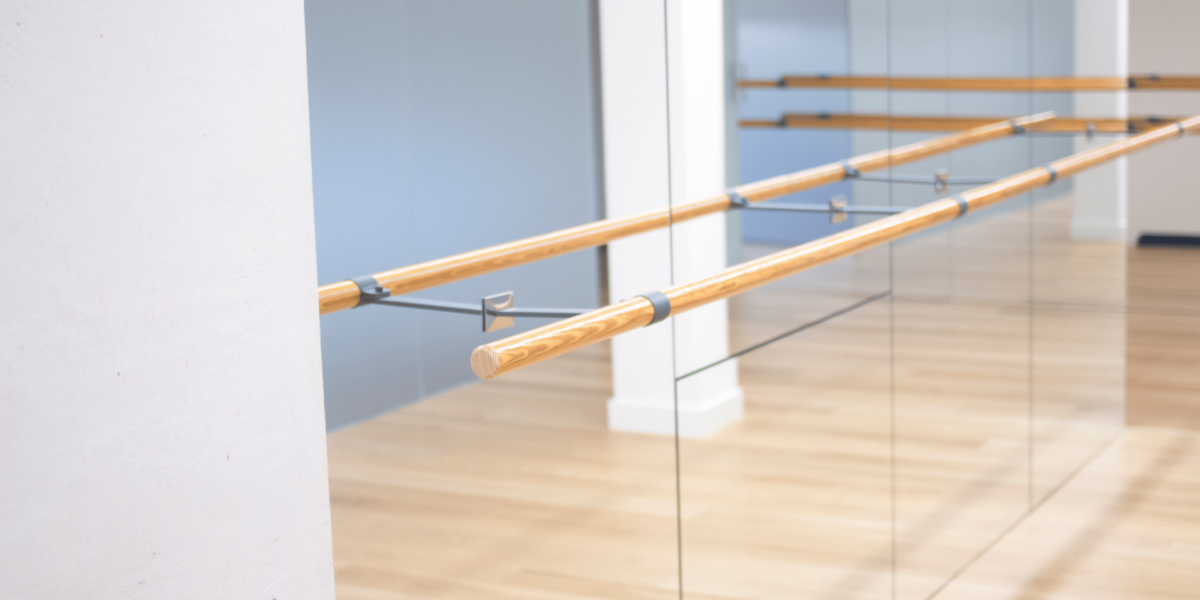
Ballet classes follow a predictable sequence that helps dancers feel grounded. Each session begins with barre work, followed by center practice and choreography. This routine builds familiarity, allowing dancers to focus on refining their technique. In a weekly class, participants gain confidence by knowing what to expect and seeing gradual improvement.
Mastering Technique Boosts Self-Awareness
Ballet teaches precise movement, posture, and alignment. As dancers learn to control their bodies, they become more aware of how they carry themselves in and out of class. In realistic practice, someone who focuses on balance and form develops a stronger sense of physical presence and personal discipline.
Repetition Builds Trust in the Learning Process
Progress in ballet comes from consistent practice. Each step, turn, or pose is repeated until it becomes second nature. Over time, students see how small improvements add up. In a typical class, someone might revisit the same movement over several weeks and notice increased control and clarity, which reinforces their belief in their ability to grow.
Performing Builds Courage and Focus
Sharing movement with others—whether in class or on stage—requires composure. Dancers practice presenting their work with poise, even when unsure. In a group setting, performing in front of peers helps someone manage nervousness, sharpen their focus, and stay present. These experiences build internal confidence that carries over into other aspects of life.
Feedback Encourages Growth Without Comparison
Instructors offer clear, direct feedback that focuses on alignment, timing, and execution. This guidance helps dancers improve without pressure to compete. In a class setting, someone learning at their own pace may feel empowered by personal milestones rather than comparing themselves to others. Positive correction becomes a tool for growth.
Physical Strength Supports Emotional Stability
Ballet improves strength, endurance, and flexibility. As the body becomes stronger, dancers often feel more capable in daily movement. In a regular routine, someone who notices increased stamina or improved balance may also experience a lift in confidence, knowing their body supports their goals.
Goal Setting Helps Dancers Stay Motivated
Ballet naturally includes short- and long-term goals. Dancers aim to master combinations, memorize choreography, and refine posture. Setting realistic objectives provides direction and motivation. In weekly training, checking off progress points gives dancers a clear sense of achievement and a reason to continue showing up.
Ballet Class Creates a Supportive Community
Shared learning environments offer connection and encouragement. Fellow dancers understand the challenges and celebrate progress together. In a studio setting, someone who returns each week builds familiarity and finds motivation from peers who value effort, discipline, and mutual respect.
Adaptability Builds Confidence at Any Age
Ballet meets dancers where they are physically and mentally. Classes designed for adults offer modifications and pacing that support individual progress. Whether returning to dance or trying it for the first time, participants gain confidence as they discover what their bodies can achieve at their own pace.
Progress in Ballet Reflects Personal Commitment
Confidence grows when dancers recognize their role in their own improvement. Showing up, practicing regularly, and staying patient reinforces self-trust. In everyday life, these habits transfer to other goals. A dancer who consistently works through difficult combinations builds not just skill, but self-belief.
Ballet Strengthens the Connection Between Body and Mind
Each movement in ballet demands attention and intention. As dancers align their physical actions with musical cues and technique, they develop stronger mental focus. In weekly class sessions, this integration of body and mind supports lasting confidence rooted in presence and purpose.
Confidence Through Ballet Grows With Every Class
Ballet is not about instant perfection but steady development. With each class, dancers build confidence by moving with greater control, awareness, and expression. Over time, these gains create a foundation of trust in the self—on the dance floor and beyond.