What the Mirror Doesn’t Show in an Adult Ballet Journey

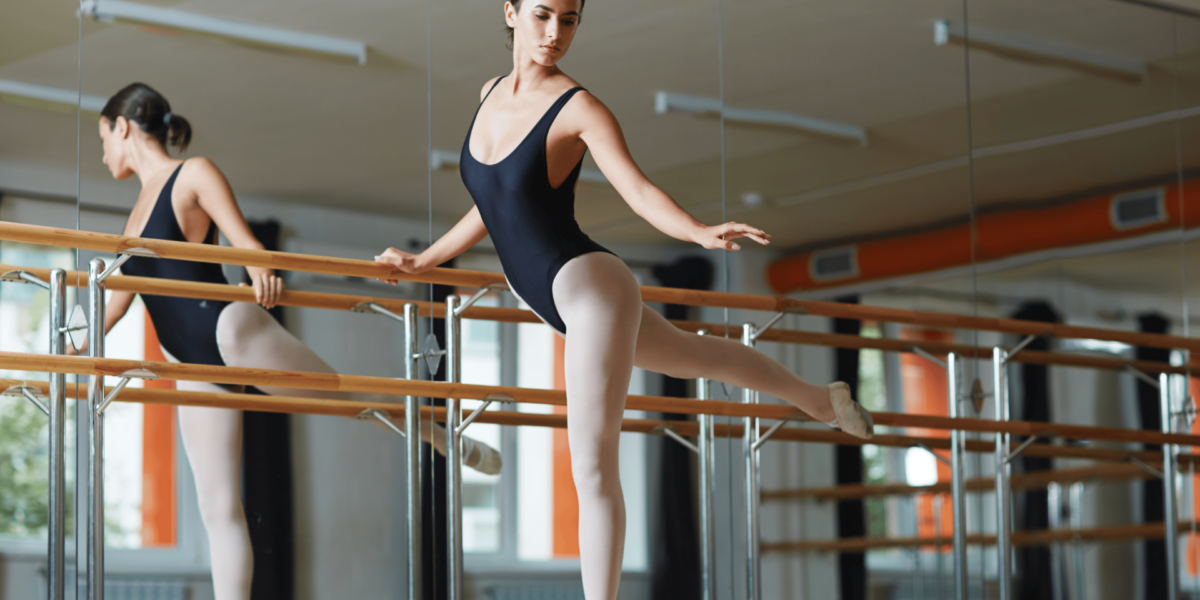
The mirror in a ballet studio reflects posture, position, and technique. It captures alignment and detail. But the true progress of an adult ballet journey often happens beyond the mirror’s reach. Growth in confidence, discipline, and self-awareness can’t always be seen in a reflection—but they shape the experience just as much as any physical improvement.

Internal Progress Drives Long-Term Motivation

Adult dancers often focus on visible progress—higher extensions, stronger balances, better turnout. But the internal changes that occur during class play an equally important role in long-term growth. These unseen developments include increased focus, emotional resilience, and self-trust.

Over time, adult students begin to value how ballet makes them feel, not just how they look in the mirror. In a realistic setting, a dancer who once judged every detail of their reflection may begin to prioritize how grounded or present they feel during class. This shift strengthens motivation and supports a more sustainable dance practice.

Emotional Strength Builds Through Repetition

Ballet requires repetition. Doing the same exercises week after week might seem simple, but this structure develops emotional discipline. Adult dancers build patience, learn to manage frustration, and accept that growth takes time.

A student may return to class after a challenging week, unsure of their energy or focus. Yet by completing the familiar exercises, they experience a sense of calm and control. This consistent structure becomes a tool for navigating outside stress and building inner strength that isn’t visible in the mirror.

Confidence Develops From Ownership of the Process

Unlike traditional ballet students, adults often pursue dance for personal reasons. They take control of their learning. This independence fosters confidence that doesn’t depend on applause or perfection.

A dancer who shows up consistently, asks questions, and explores new movement choices begins to build trust in their own judgment. That self-direction allows for deeper engagement with the class. Even without perfect technique, the dancer walks taller, focuses longer, and moves with greater conviction—none of which can be fully captured in a mirror.

Connection to the Body Deepens Over Time

Adult ballet students often arrive with disconnected movement patterns or physical habits formed by years of sitting or repetitive tasks. Ballet helps reintroduce the body’s natural mechanics. Through regular practice, dancers gain awareness of how they stand, breathe, and move.

This embodied understanding doesn’t always show in turnout or arabesque height. It shows in how a dancer moves through their day—how they sit at work, how they walk, how they respond to stress. These changes reflect an internal alignment that builds steadily and quietly with each class.

The Studio Becomes a Space for Self-Reflection

While the mirror offers feedback on form, the space itself provides room for emotional and mental reflection. Many adults use class time to check in with themselves. They notice how they’re feeling, how focused they are, and what their body is telling them.

This kind of awareness helps dancers understand their needs. It might lead someone to modify a step or take extra time during a stretch. Over time, the studio becomes a place where dancers learn to listen—not just to music, but to their own boundaries and capacity.

Progress Happens Even When It’s Invisible

Not every improvement in ballet shows immediately. In fact, much of the growth happens beneath the surface. Muscles adapt, joints gain mobility, and coordination improves slowly. These shifts often go unnoticed in the mirror until one day, a movement feels easier or more stable.

For adults, acknowledging this hidden progress is essential. It keeps frustration in check and helps them stay committed through slower phases. When students focus only on visual feedback, they may miss the deeper gains unfolding through steady practice.

Individual Goals Shape the Journey

Adult dancers define their own milestones. These goals might not involve performances or exams, but instead focus on consistency, flexibility, or confidence. These personal benchmarks often go unrecognized in a mirror-based environment.

A dancer who sets a goal to attend class twice a week, regardless of progress, builds a sense of discipline and purpose. Achieving that goal provides fulfillment that’s internal—not dependent on what the mirror reflects. This goal-setting supports long-term involvement and personal satisfaction.

Community Bonds Form Beyond Technique

In adult ballet classes, friendships and shared experiences often grow outside of formal technique. The encouragement exchanged during class, the shared laughter during a difficult combination, or the support after a tough day all form a quiet yet powerful community.

This emotional support reinforces a sense of belonging that can’t be seen in a mirror. Dancers feel valued for who they are—not just how they perform. That feeling creates safety and motivates them to return, even on days when progress feels slow.

Perspective Expands Beyond Perfection

With experience, adult dancers begin to let go of perfection as the primary goal. Instead of chasing flawless execution, they begin to appreciate the process itself. Each class becomes an opportunity to move, breathe, and be present.

This mindset shift frees dancers from self-criticism and makes the experience more rewarding. When students stop relying on the mirror for validation and begin to value how they feel, they often unlock deeper enjoyment and authenticity in their dancing.

The Mirror Reflects Shape—Not the Whole Story

The mirror is a tool. It offers useful feedback, but it doesn’t tell the full story of an adult ballet journey. The confidence, awareness, and emotional strength developed in class grow beyond what any reflection can capture. By focusing on internal progress and trusting the process, adult dancers build a connection to ballet that lasts—quietly, steadily, and powerfully.
From Hesitation to Grace: Navigating the First Ballet Class as an Adult

Starting ballet as an adult often begins with uncertainty. Many adults arrive at their first class unsure of their ability, unsure of what to expect, and unsure if they belong in the studio. But over time, with guidance and consistent practice, hesitation turns into grace—through movement, focus, and self-awareness.

Taking the First Step Begins With Showing Up

The decision to attend a first ballet class as an adult can be intimidating. Questions about ability, appearance, or past experience often surface. Yet, the most important step is simply walking into the studio.

In a realistic setting, you might enter the space unsure where to stand or what to wear. Still, your presence signals the start of something new. That act alone—committing to showing up—creates a shift in mindset and opens the door to physical and emotional growth.

The Studio Environment Supports Newcomers

Most adult ballet classes are structured with first-time students in mind. Instructors understand that many adults are returning after years away or starting from scratch. The environment is usually welcoming and free of pressure to perform.

When you step into class, the instructor guides each movement, offers corrections without judgment, and encourages focus on alignment and form. This creates a learning space where mistakes are part of the process. The studio becomes a place to explore movement without comparison or expectation.

Learning the Basics Builds Body Awareness

Your first ballet class introduces fundamental positions and movements. These include pliés, tendus, and port de bras—all designed to build strength, flexibility, and control. Each exercise helps you understand how your body moves and where adjustments are needed.

As you repeat these basics, you start to notice small changes. Your posture improves, your balance becomes steadier, and your coordination grows. This growing awareness helps you move with more intention, both in and outside the studio.

Consistent Practice Develops Confidence

Progress in ballet doesn’t happen all at once. Instead, it develops gradually through consistent attendance and focused repetition. Each class builds on the last, helping you refine your movement and increase physical control.

In a practical sense, you may struggle with timing or form during early classes. But after a few weeks, those movements begin to feel familiar. You start to anticipate sequences, respond to music, and carry yourself with more assurance. That growth directly supports a stronger sense of self-confidence.

Class Structure Creates Comfort and Routine

Most adult ballet classes follow a predictable structure: warm-up at the barre, center work, and movement across the floor. This routine creates familiarity, making it easier to track progress and feel at ease.

With each session, the structure becomes part of your rhythm. You begin to recognize transitions, understand terminology, and prepare mentally for what comes next. That sense of predictability offers security, especially during a new experience.

Movement Unlocks Focus and Stillness

Ballet requires concentration. From aligning the spine to coordinating arms and legs, each movement demands full attention. As you focus on the task at hand, external stress fades.

This shift in focus often surprises new dancers. A class that begins with nerves quickly transforms into one that brings clarity and calm. The act of moving with purpose helps quiet the mind, offering relief from the rush of daily life. Over time, this stillness becomes part of your internal balance.

Modifications Support Every Body Type and Experience Level

In adult ballet, every body moves differently. Instructors understand this and often offer variations for different abilities. Whether you’re managing tight muscles, joint limitations, or lack of flexibility, the class supports adjustment and progress.

A realistic scenario might involve choosing a modified version of a step during your first few weeks. Instead of pushing through discomfort, you work within your current range. This approach allows for steady improvement without risk of injury or frustration.

Clothing and Gear Don’t Need to Be Perfect

One common concern for first-time adult dancers is what to wear. While ballet has a traditional aesthetic, adult classes are often more flexible. The priority is comfort and movement—not appearance.

Simple, fitted clothing allows instructors to see your alignment and offer helpful feedback. Ballet slippers provide the right amount of grip and support. Over time, as you grow more comfortable, you may choose attire that aligns with your personal preferences and supports your movement goals.

Community Encouragement Strengthens Motivation

Adult ballet classes often foster a strong sense of community. Dancers support one another, celebrate progress, and share the learning experience. This social element adds motivation and helps you stay committed to your goals.

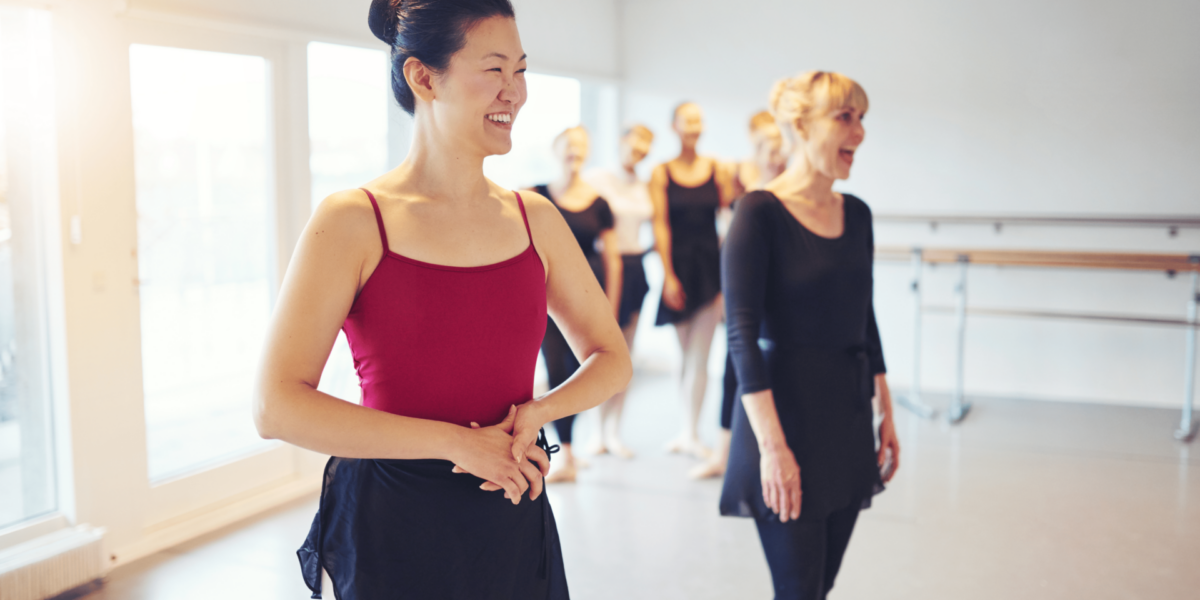
As a new student, hearing encouragement from a classmate or sharing a laugh after a difficult combination builds confidence. These small interactions remind you that you’re not alone in your journey—and that everyone is learning together.

Grace Emerges Through the Process

Your first ballet class as an adult may begin with hesitation, but each class builds on the last. As you gain strength, flexibility, and focus, you begin to move with greater ease. That shift—from unsure steps to graceful motion—reflects more than just physical progress. It shows what happens when you give yourself permission to try, learn, and grow.

Why Adult Dancers Are Reclaiming the Studio on Their Terms

More adults are returning to dance studios across the country. But this time, they’re setting their own expectations. Instead of chasing perfection or performance, adult dancers are reclaiming the studio as a space for personal growth, self-expression, and well-being.

Adult Dancers Redefine What Progress Looks Like

In traditional dance environments, progress often means advancing through levels or performing on stage. Adult dancers shift the focus. For them, improvement means feeling stronger, more coordinated, and more confident in their movement.

Each class becomes an opportunity to work toward physical control, mental focus, and personal goals—not someone else’s timeline. Adult dancers track their growth by how their body feels and how they move through space, not by competition or critique.

Movement Becomes a Tool for Reconnection

Many adults return to the studio after long breaks from dance. They often arrive with busy schedules, physical changes, and different priorities than they had in childhood. In this new phase, movement becomes a way to reconnect—with the body, with music, and with a sense of self.

When adults dance regularly, they notice how their bodies respond to structure and repetition. Over time, movement restores a sense of rhythm and stability that supports focus and well-being outside the studio.

The Studio Shifts From Judgment to Support

For adult dancers, the studio is no longer a place of pressure. Instead, it becomes a setting that offers support, guidance, and freedom to explore. Teachers in adult-focused classes understand that students bring different needs and histories to the barre.

The environment reflects this. Instructors give detailed guidance without criticism. They focus on helping students feel present in their bodies and make adjustments based on individual ability. This shift allows adult dancers to feel safe, respected, and encouraged—no matter their level of experience.

Schedules and Class Choices Reflect Real Life

Adult dancers balance careers, families, and responsibilities. They choose classes that fit their lives—not the other way around. Studios that support this flexibility offer classes at accessible times and welcome drop-ins or varied attendance.

This flexibility makes it easier for dancers to stay consistent over time. A student who can’t attend every week still feels welcome. A dancer who moves cities or takes time off knows they can return without judgment. These conditions make long-term movement practice sustainable.

Emotional Benefits Guide the Experience

Adult dancers prioritize emotional benefits as much as physical ones. They return to class not just to move, but to feel grounded, expressive, and calm. Dance becomes a tool for processing emotions, managing stress, and building self-esteem.

Over time, the studio becomes more than a workout space. It offers structure and rhythm that helps adults manage their energy, focus their thoughts, and stay present. The emotional benefits of dance often outlast the physical activity itself, shaping how dancers approach their day-to-day lives.

Age and Experience No Longer Define Ability

In adult classes, dancers release the idea that age limits ability. Instead of competing with younger dancers or their past selves, they work with the bodies they have now. This mindset promotes self-respect and patience, helping students set realistic, supportive goals.

For example, a dancer returning after years away may find certain movements more challenging. But they also discover strength in new areas. They value their body’s response, adjust their approach, and celebrate progress as it happens—without comparing it to anyone else.

Creative Expression Gains New Importance

Adult dancers return to the studio to explore movement, not to perfect it. This creates space for creativity and experimentation. Improvisation, musicality, and style become key parts of the experience.

This shift allows dancers to feel ownership over how they move. They engage with choreography on their own terms, choosing how to express each phrase. Creative expression becomes a source of pride, not pressure. That freedom supports confidence and inspires dancers to keep coming back.

Community Shapes the Studio Culture

Adult dancers often build strong connections with peers in class. These shared experiences create a sense of community that supports long-term participation. Over time, dancers come to class for the movement—and for the people.

In a supportive studio culture, students encourage each other, celebrate progress, and show up without competition. The environment becomes one of shared learning. For many adults, this community becomes a valuable part of their routine and social life.

Dancers Take Control of Their Journey

Reclaiming the studio means making decisions based on what serves the dancer, not what meets outside expectations. Adults decide how often they take class, which styles they pursue, and what progress means to them.

This autonomy empowers dancers to keep showing up. They know they’re in control of their experience. Whether they dance once a week or every day, their time in the studio feels meaningful. That choice creates a lasting connection between the dancer and their practice.

The Studio Belongs to the Adult Dancer, Too

The modern dance studio is evolving, and adult dancers are leading that change. By prioritizing joy, purpose, and self-awareness, they reshape the space into something more personal and sustainable. It’s not about being the best in the room—it’s about being fully present in the body you have. That shift unlocks new confidence and keeps dancers coming back—on their terms.

The Unspoken Confidence Gained from Returning to the Barre

Returning to ballet as an adult is more than a physical decision—it’s an internal shift. While technique improves with time and repetition, one of the most powerful changes happens quietly: confidence. Through each class, adults regain self-trust, body awareness, and a grounded sense of presence they may not have realized was missing.

Stepping Back Into Ballet Rebuilds Self-Trust

The decision to return to the barre requires a commitment to yourself. It asks you to trust your body again, even if it moves differently than it once did. That trust builds gradually with each plié, tendu, and balance.

In a realistic scenario, an adult walking into a beginner class may feel unsure. But after several sessions, they begin to recognize their own progress. Movements feel more controlled. Coordination returns. This growing sense of competence directly impacts confidence, both in and outside the studio.

Structured Movement Restores Mental Clarity

Ballet offers a clear, repeatable structure that supports focus. Each class begins with foundational exercises at the barre, then transitions to center work. This consistency helps reset the mind.

Adults juggling work, family, and daily responsibilities often arrive at class carrying mental clutter. But once the music begins and the movement starts, attention shifts inward. The mind connects with the body, and external distractions fade. This moment of clarity provides more than just a break—it becomes a practice that strengthens emotional control.

Mastering Technique Develops Discipline and Resilience

In ballet, progress is slow and deliberate. Mastery comes through repetition, not shortcuts. Adults returning to dance learn to show up for themselves consistently, even when improvement feels slow.

Each class offers a new opportunity to work through discomfort and doubt. Holding a balance, refining a port de bras, or learning a new combination demands both mental and physical effort. These small victories build inner strength. The resilience developed at the barre often mirrors how adults approach challenges in their personal or professional lives.

Moving With Intention Reinforces Body Awareness

Ballet emphasizes alignment, posture, and control. With every movement, dancers must engage specific muscles and direct energy with precision. This process requires awareness of how the body functions in space.

As adults become more tuned into their physical sensations, they also grow more confident in how they carry themselves. They walk taller, move with more purpose, and feel more grounded. Over time, this physical self-awareness becomes a source of quiet strength that affects how they navigate daily interactions.

Consistent Practice Builds Emotional Stability

Returning to ballet creates a rhythm. Each week, class offers a predictable space for reflection, expression, and growth. The emotional release that comes with movement, paired with structured repetition, supports emotional regulation.

When adults experience stress or overwhelm, they begin to rely on the consistency of class. The physical effort, the music, and the focus required provide an outlet. This practice becomes a tool for managing emotions and staying centered—even in moments of uncertainty.

Peer Support Reinforces Belonging and Confidence

Adult ballet classes often foster a strong sense of community. Everyone in the room understands what it means to return, to start again, or to begin late. This shared experience creates empathy and encouragement.

Over time, familiar faces become part of the journey. A nod of recognition or a shared laugh during class reinforces a sense of belonging. That social support reduces self-doubt and reminds adults that they’re not alone in their pursuit of growth and movement.

Alignment Between Movement and Mind Restores Inner Balance

Ballet demands attention. Each movement connects breath, body, and focus. This connection restores inner balance and slows the constant mental noise that many adults carry.

When the body is fully engaged in a movement sequence, the mind has no room for distraction. This unity between action and awareness builds a strong internal center. Adults who feel scattered or disconnected often regain balance through this quiet form of discipline and mindfulness.

Returning to Ballet Validates Personal Goals

Choosing to return to ballet as an adult affirms that growth is still possible. It proves that goals don’t need to be grand to be meaningful. Each step at the barre validates the decision to show up for yourself.

In a real-world context, setting aside time each week to attend class shows dedication. It says, “This matters.” That affirmation becomes its own reward, slowly reshaping how adults view their abilities and priorities. Over time, they begin to set clearer boundaries and make more intentional decisions in other areas of life.

Physical Progress Reflects Inner Growth

Improved balance, control, and flexibility don’t just show up in the body—they represent deeper changes within. As adults regain strength and coordination, they also rebuild patience, discipline, and courage.

Seeing real progress reinforces belief in personal growth. It confirms that change doesn’t have to stop at a certain age or stage in life. That realization becomes a foundation for long-term confidence and reinforces a mindset of possibility.

Confidence Grows Quietly at the Barre

The confidence gained from returning to ballet often begins without notice. It shows up in posture, in presence, in the ability to stay calm during a difficult moment. It lives in the way dancers hold their heads high, both in the studio and beyond. The barre doesn’t just train the body—it reshapes how adults see themselves, one movement at a time.

How Ballet Unlocks Strength and Stillness in the Adult Body

For adults seeking a movement practice that improves both physical control and mental clarity, ballet offers a powerful path. Through structured technique and focused repetition, ballet builds strength, promotes balance, and develops a deeper sense of stillness in both body and mind.

Ballet Training Builds Core Strength Through Controlled Movement

Ballet emphasizes slow, deliberate motion. Each step requires balance, alignment, and muscle engagement. This approach forces the body to activate stabilizing muscles, especially in the core.

In a typical ballet class, adults must hold their posture while coordinating their arms and legs. This coordination naturally strengthens abdominal muscles, lower back, and glutes. Over time, this leads to better control of everyday movements, whether it’s walking with better posture or lifting with more awareness.

Stability and Balance Improve With Regular Practice

Many adults begin ballet to regain a sense of control in their movement. Ballet trains the body to balance on one leg, shift weight smoothly, and remain stable under pressure. These skills come from constant work at the barre and across the floor.

A student balancing during a slow passé or a développé learns to trust their body. With repetition, the muscles supporting the ankles, knees, and hips grow stronger. This leads to fewer stumbles, better joint control, and improved coordination in everyday life.

Ballet Encourages Alignment and Postural Awareness

In ballet, correct posture isn’t just about looking good—it’s necessary for function. Every combination in class reinforces spinal alignment, shoulder placement, and pelvis stability. This attention to form strengthens the postural muscles that support a healthy frame.

For an adult who spends long hours sitting or moving without intention, ballet retrains the body to stand tall and move with precision. Over time, this realignment reduces pain, improves flexibility, and supports efficient movement in daily routines.

Breath and Stillness Are Built Into Ballet’s Rhythm

Stillness in ballet is not the absence of movement—it’s a trained state of readiness. Between each sequence, dancers pause, breathe, and reset. These moments teach the body to become calm, focused, and present.

In a typical class, adults learn to connect breath to motion. This link allows the nervous system to regulate more effectively, reducing anxiety and improving focus. With regular practice, this mental stillness begins to appear outside of the studio—in conversations, work settings, and moments of stress.

Muscle Endurance Develops Through Repetition

While ballet may look graceful from the outside, the technique demands stamina. Adults build muscle endurance by repeating sequences, holding positions, and flowing from one exercise to the next without breaks.

Each class trains the body to work longer without fatigue. The legs carry the body through pliés, tendus, and jumps. The arms stay lifted. The back remains engaged. This repeated demand increases muscular endurance, allowing students to move with control even after extended periods of activity.

Ballet Strengthens the Mind-Body Connection

Every movement in ballet must be intentional. Adults who practice regularly develop sharper proprioception—the ability to sense where the body is in space. This awareness builds confidence and reduces the risk of injury.

In practice, a dancer may learn to feel when their hips are uneven or when their shoulder lifts unintentionally. That level of control transfers to everyday motion, making basic activities like walking stairs or carrying groceries smoother and more stable.

Emotional Regulation Improves With Consistent Routine

Ballet’s structure offers more than physical benefit. The routine, discipline, and focus required by each class help adults manage stress and regulate emotions. The mental clarity developed during barre and center work often carries over into other parts of life.

When a dancer enters class, outside distractions pause. The body must focus on alignment, timing, and coordination. This total focus offers relief from mental clutter and gives the nervous system a reset. That mental break, combined with physical exertion, can reduce tension and improve emotional resilience.

Flexibility Supports Strength, Not Just Mobility

Ballet also increases flexibility, especially in the hips, hamstrings, calves, and back. But unlike passive stretching, ballet demands that flexibility support strength. Movements are dynamic, requiring lengthened muscles to stay engaged.

This active flexibility helps adults move with greater control. In a real-life context, this reduces strain when bending, reaching, or turning. The muscles don’t just stretch—they stay strong while extended, improving full-range control and reducing injury risk.

Progress in Ballet Reinforces Discipline and Patience

Adults entering ballet often expect fast results. But real improvement comes slowly, through repetition and focus. This gradual progress builds discipline and teaches patience.

Each week, a dancer returns to the same steps, refining placement, balance, and control. As strength and stillness improve, the experience becomes more rewarding. The sense of progress—even if small—reinforces a healthy mindset built on steady growth, not perfection.

Ballet Offers a Sustainable Path to Strength and Stillness

Ballet gives adults a way to build strength, improve balance, and access a deeper sense of calm. Through careful instruction, consistent practice, and thoughtful movement, students experience a shift not just in the body but in how they move through life. The discipline, clarity, and power found in the studio often become tools for living with more control, ease, and presence.