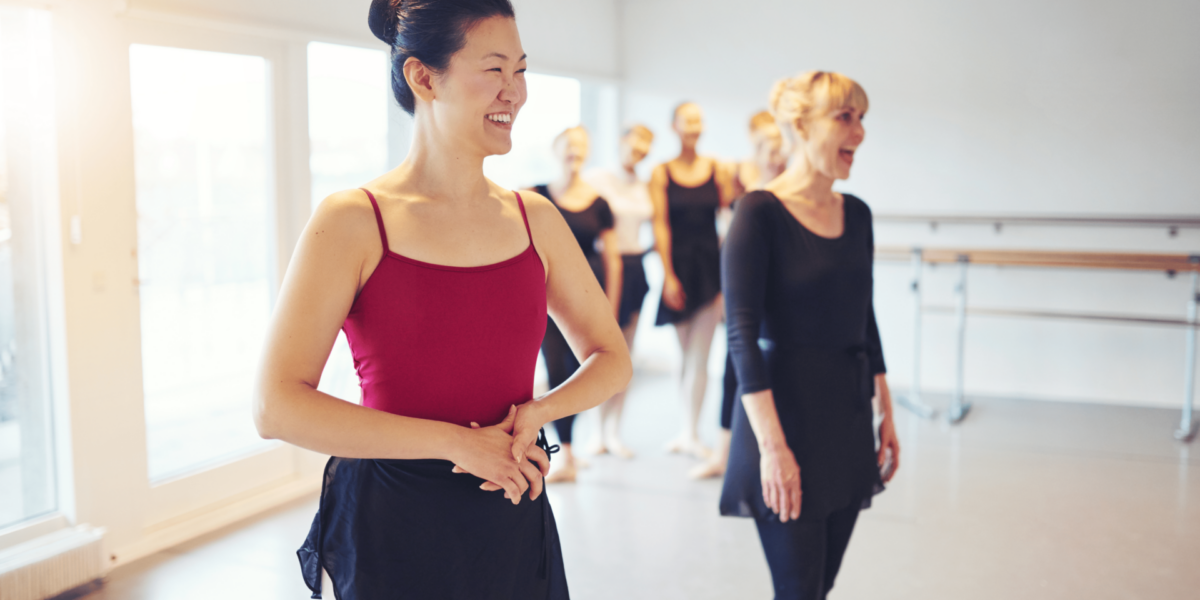
More adults are returning to dance studios across the country. But this time, they’re setting their own expectations. Instead of chasing perfection or performance, adult dancers are reclaiming the studio as a space for personal growth, self-expression, and well-being.
Adult Dancers Redefine What Progress Looks Like
In traditional dance environments, progress often means advancing through levels or performing on stage. Adult dancers shift the focus. For them, improvement means feeling stronger, more coordinated, and more confident in their movement.
Each class becomes an opportunity to work toward physical control, mental focus, and personal goals—not someone else’s timeline. Adult dancers track their growth by how their body feels and how they move through space, not by competition or critique.
Movement Becomes a Tool for Reconnection
Many adults return to the studio after long breaks from dance. They often arrive with busy schedules, physical changes, and different priorities than they had in childhood. In this new phase, movement becomes a way to reconnect—with the body, with music, and with a sense of self.
When adults dance regularly, they notice how their bodies respond to structure and repetition. Over time, movement restores a sense of rhythm and stability that supports focus and well-being outside the studio.
The Studio Shifts From Judgment to Support
For adult dancers, the studio is no longer a place of pressure. Instead, it becomes a setting that offers support, guidance, and freedom to explore. Teachers in adult-focused classes understand that students bring different needs and histories to the barre.
The environment reflects this. Instructors give detailed guidance without criticism. They focus on helping students feel present in their bodies and make adjustments based on individual ability. This shift allows adult dancers to feel safe, respected, and encouraged—no matter their level of experience.
Schedules and Class Choices Reflect Real Life
Adult dancers balance careers, families, and responsibilities. They choose classes that fit their lives—not the other way around. Studios that support this flexibility offer classes at accessible times and welcome drop-ins or varied attendance.
This flexibility makes it easier for dancers to stay consistent over time. A student who can’t attend every week still feels welcome. A dancer who moves cities or takes time off knows they can return without judgment. These conditions make long-term movement practice sustainable.
Emotional Benefits Guide the Experience
Adult dancers prioritize emotional benefits as much as physical ones. They return to class not just to move, but to feel grounded, expressive, and calm. Dance becomes a tool for processing emotions, managing stress, and building self-esteem.
Over time, the studio becomes more than a workout space. It offers structure and rhythm that helps adults manage their energy, focus their thoughts, and stay present. The emotional benefits of dance often outlast the physical activity itself, shaping how dancers approach their day-to-day lives.
Age and Experience No Longer Define Ability
In adult classes, dancers release the idea that age limits ability. Instead of competing with younger dancers or their past selves, they work with the bodies they have now. This mindset promotes self-respect and patience, helping students set realistic, supportive goals.
For example, a dancer returning after years away may find certain movements more challenging. But they also discover strength in new areas. They value their body’s response, adjust their approach, and celebrate progress as it happens—without comparing it to anyone else.
Creative Expression Gains New Importance
Adult dancers return to the studio to explore movement, not to perfect it. This creates space for creativity and experimentation. Improvisation, musicality, and style become key parts of the experience.
This shift allows dancers to feel ownership over how they move. They engage with choreography on their own terms, choosing how to express each phrase. Creative expression becomes a source of pride, not pressure. That freedom supports confidence and inspires dancers to keep coming back.
Community Shapes the Studio Culture
Adult dancers often build strong connections with peers in class. These shared experiences create a sense of community that supports long-term participation. Over time, dancers come to class for the movement—and for the people.
In a supportive studio culture, students encourage each other, celebrate progress, and show up without competition. The environment becomes one of shared learning. For many adults, this community becomes a valuable part of their routine and social life.
Dancers Take Control of Their Journey
Reclaiming the studio means making decisions based on what serves the dancer, not what meets outside expectations. Adults decide how often they take class, which styles they pursue, and what progress means to them.
This autonomy empowers dancers to keep showing up. They know they’re in control of their experience. Whether they dance once a week or every day, their time in the studio feels meaningful. That choice creates a lasting connection between the dancer and their practice.
The Studio Belongs to the Adult Dancer, Too
The modern dance studio is evolving, and adult dancers are leading that change. By prioritizing joy, purpose, and self-awareness, they reshape the space into something more personal and sustainable. It’s not about being the best in the room—it’s about being fully present in the body you have. That shift unlocks new confidence and keeps dancers coming back—on their terms.