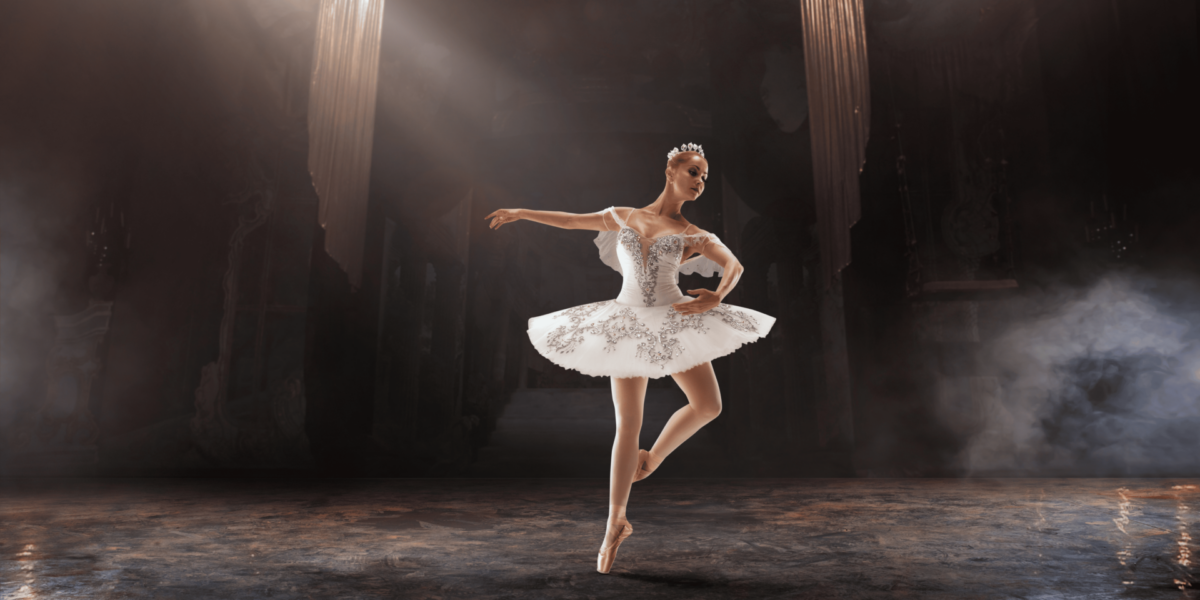
Starting ballet as an adult often begins with uncertainty. Many adults arrive at their first class unsure of their ability, unsure of what to expect, and unsure if they belong in the studio. But over time, with guidance and consistent practice, hesitation turns into grace—through movement, focus, and self-awareness.
Taking the First Step Begins With Showing Up
The decision to attend a first ballet class as an adult can be intimidating. Questions about ability, appearance, or past experience often surface. Yet, the most important step is simply walking into the studio.
In a realistic setting, you might enter the space unsure where to stand or what to wear. Still, your presence signals the start of something new. That act alone—committing to showing up—creates a shift in mindset and opens the door to physical and emotional growth.
The Studio Environment Supports Newcomers
Most adult ballet classes are structured with first-time students in mind. Instructors understand that many adults are returning after years away or starting from scratch. The environment is usually welcoming and free of pressure to perform.
When you step into class, the instructor guides each movement, offers corrections without judgment, and encourages focus on alignment and form. This creates a learning space where mistakes are part of the process. The studio becomes a place to explore movement without comparison or expectation.
Learning the Basics Builds Body Awareness
Your first ballet class introduces fundamental positions and movements. These include pliés, tendus, and port de bras—all designed to build strength, flexibility, and control. Each exercise helps you understand how your body moves and where adjustments are needed.
As you repeat these basics, you start to notice small changes. Your posture improves, your balance becomes steadier, and your coordination grows. This growing awareness helps you move with more intention, both in and outside the studio.
Consistent Practice Develops Confidence
Progress in ballet doesn’t happen all at once. Instead, it develops gradually through consistent attendance and focused repetition. Each class builds on the last, helping you refine your movement and increase physical control.
In a practical sense, you may struggle with timing or form during early classes. But after a few weeks, those movements begin to feel familiar. You start to anticipate sequences, respond to music, and carry yourself with more assurance. That growth directly supports a stronger sense of self-confidence.
Class Structure Creates Comfort and Routine
Most adult ballet classes follow a predictable structure: warm-up at the barre, center work, and movement across the floor. This routine creates familiarity, making it easier to track progress and feel at ease.
With each session, the structure becomes part of your rhythm. You begin to recognize transitions, understand terminology, and prepare mentally for what comes next. That sense of predictability offers security, especially during a new experience.
Movement Unlocks Focus and Stillness
Ballet requires concentration. From aligning the spine to coordinating arms and legs, each movement demands full attention. As you focus on the task at hand, external stress fades.
This shift in focus often surprises new dancers. A class that begins with nerves quickly transforms into one that brings clarity and calm. The act of moving with purpose helps quiet the mind, offering relief from the rush of daily life. Over time, this stillness becomes part of your internal balance.
Modifications Support Every Body Type and Experience Level
In adult ballet, every body moves differently. Instructors understand this and often offer variations for different abilities. Whether you’re managing tight muscles, joint limitations, or lack of flexibility, the class supports adjustment and progress.
A realistic scenario might involve choosing a modified version of a step during your first few weeks. Instead of pushing through discomfort, you work within your current range. This approach allows for steady improvement without risk of injury or frustration.
Clothing and Gear Don’t Need to Be Perfect
One common concern for first-time adult dancers is what to wear. While ballet has a traditional aesthetic, adult classes are often more flexible. The priority is comfort and movement—not appearance.
Simple, fitted clothing allows instructors to see your alignment and offer helpful feedback. Ballet slippers provide the right amount of grip and support. Over time, as you grow more comfortable, you may choose attire that aligns with your personal preferences and supports your movement goals.
Community Encouragement Strengthens Motivation
Adult ballet classes often foster a strong sense of community. Dancers support one another, celebrate progress, and share the learning experience. This social element adds motivation and helps you stay committed to your goals.
As a new student, hearing encouragement from a classmate or sharing a laugh after a difficult combination builds confidence. These small interactions remind you that you’re not alone in your journey—and that everyone is learning together.
Grace Emerges Through the Process
Your first ballet class as an adult may begin with hesitation, but each class builds on the last. As you gain strength, flexibility, and focus, you begin to move with greater ease. That shift—from unsure steps to graceful motion—reflects more than just physical progress. It shows what happens when you give yourself permission to try, learn, and grow.