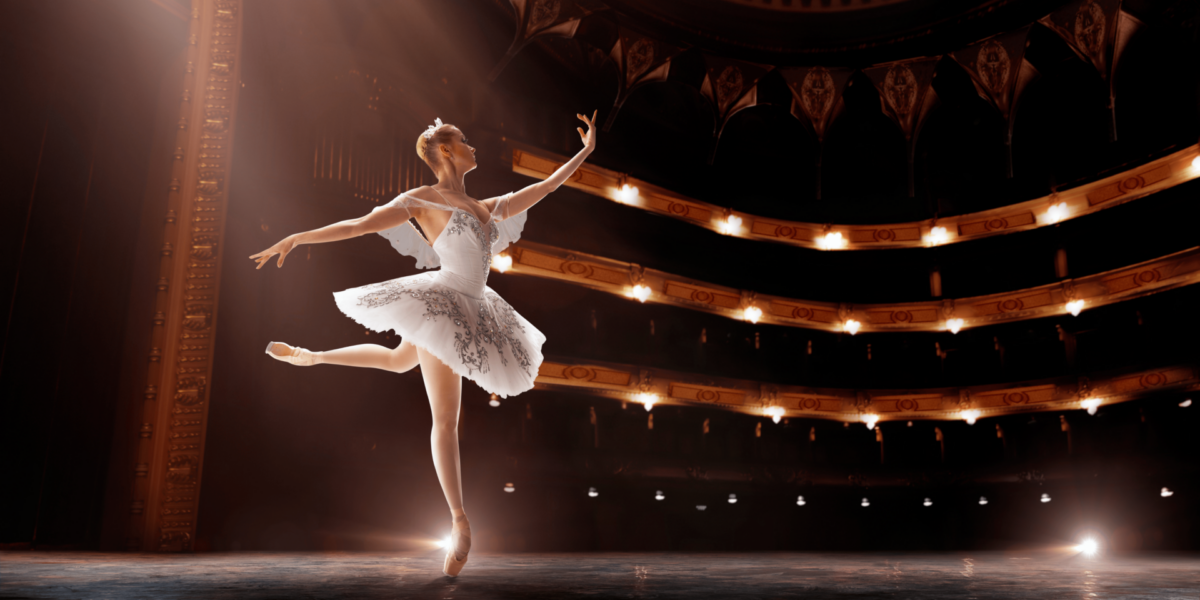
Dancing Through Life: How Ballet Shapes Mind, Body, and Spirit

Building Physical Strength Through Consistent Ballet Training

Ballet training develops strength in the legs, core, and back through repetitive, controlled movements that target deep stabilizing muscles. Each barre and center exercise reinforces posture, balance, and joint alignment, creating a solid foundation for more complex choreography. Over time, the body adapts to the demands of training, allowing for greater power in jumps, smoother transitions in turns, and sustained control in extended poses. This physical conditioning not only supports performance but also improves overall body function.

Enhancing Flexibility for Greater Movement Range

Flexibility is a defining element of ballet’s visual and technical appeal. Consistent stretching before and after class increases joint mobility and muscle elasticity, allowing for longer lines and fluid transitions. By focusing on controlled extensions and safe stretching techniques, dancers reduce stiffness and improve range without sacrificing stability. This expanded movement capacity translates into more expressive choreography and better injury prevention during intensive rehearsals.

Improving Balance for Stability and Precision

Balance in ballet goes beyond holding a pose—it supports every step, turn, and landing. Engaging the core, maintaining correct alignment, and distributing weight evenly enable dancers to shift seamlessly between movements without losing form. Training balance daily in the studio ensures that precision remains consistent, whether on stage or in extended rehearsal sequences. As stability improves, dancers gain the confidence to execute more challenging combinations with control.

Refining Coordination for Seamless Transitions

Coordination links technique, timing, and artistry into a cohesive performance. Ballet demands the ability to control multiple parts of the body simultaneously while staying in sync with music and choreography. Rehearsal trains the mind and body to work together, ensuring arms, legs, and torso move in harmony. Improved coordination leads to cleaner transitions, sharper footwork, and an overall smoother execution of choreography.

Strengthening Mental Focus in the Studio

Ballet requires sustained mental focus to absorb corrections, remember complex sequences, and adapt to changes in choreography. Each class challenges concentration by demanding attention to detail in both movement and musical interpretation. This mental discipline sharpens memory and enhances the ability to perform under pressure. In performance settings, focused awareness ensures consistency and reduces the likelihood of errors caused by distraction.

Developing Emotional Expression Through Movement

Ballet communicates emotion through precise physical expression, and dancers refine this skill in every rehearsal. Interpreting choreography with intention requires an understanding of how movement reflects mood, energy, and narrative. This connection between emotion and motion turns technical execution into an engaging performance. By aligning physical choices with emotional content, dancers create a deeper connection with audiences and bring authenticity to their work.

Increasing Stamina for Long-Form Performances

Endurance is critical for sustaining quality from the first movement to the final bow. Ballet training builds stamina by combining strength work with continuous, high-energy sequences. As cardiovascular capacity increases, dancers maintain clarity in their technique even during demanding choreography. This level of conditioning ensures that physical fatigue does not compromise performance quality or artistic delivery.

Cultivating Discipline for Lifelong Benefits

The structured nature of ballet instills discipline that extends beyond the studio. Arriving prepared, following precise routines, and committing to consistent practice create habits that influence other areas of life. This discipline also builds resilience by teaching dancers to work through physical and mental challenges without losing momentum. Over time, the same structured mindset that drives progress in ballet supports personal and professional growth outside of dance.

Supporting Joint Health Through Correct Technique

Ballet’s emphasis on alignment and controlled movement protects joints from unnecessary strain. By learning to engage muscles correctly and distribute weight evenly, dancers reduce the risk of overuse injuries. Regular attention to joint health ensures longevity in training and allows for sustained progress over years of practice. Mature dancers especially benefit from these principles, as they provide a framework for safe, continued participation in ballet.

Encouraging Mind-Body Connection for Overall Well-Being

The integration of movement, music, and focus in ballet strengthens the mind-body connection. Each position and transition requires conscious engagement of muscles while responding to musical cues. This awareness promotes better body control, coordination, and posture in everyday life. The ability to move with intention also enhances overall well-being, creating a sense of harmony between physical capability and mental clarity.

Shaping Identity Through Artistic Growth

Ballet shapes more than physical skill—it influences how dancers see themselves. The combination of technical mastery, physical discipline, and artistic expression fosters a sense of identity rooted in creativity and achievement. Dancers who commit to their craft develop a strong personal connection to their work, finding purpose and meaning in each stage of their training and performance journey.

Integrating Ballet into a Lifelong Practice

Ballet’s impact on mind, body, and spirit extends well beyond early years of training. For many, it becomes a lifelong practice that continues to provide physical challenge, mental engagement, and artistic fulfillment. By adapting training methods to meet changing needs, dancers can maintain and even enhance their skills over decades. This enduring relationship with ballet reflects its unique ability to shape the whole person, making it as much a way of life as an art form.

Elegance Redefined: Embracing Ballet Beyond Youth

Recognizing Ballet as a Lifelong Discipline

Ballet training does not lose its value with age; it adapts to meet the needs of the mature body. The discipline continues to demand precision, focus, and control, but the approach shifts toward efficiency and longevity. By adjusting intensity and pace, dancers beyond youth maintain progress without overloading joints or muscles. The discipline of returning to the studio reinforces structure and purpose, keeping technique sharp while honoring the body’s current capabilities.

Building Strength with Targeted Conditioning

Strength remains a cornerstone of ballet at any stage of life. As the body matures, focused conditioning becomes essential for sustaining technique and preventing fatigue during extended rehearsals. Targeted exercises at the barre and in center work engage the deep stabilizing muscles that support posture, balance, and movement control. Consistent strengthening of the legs, core, and back ensures that every position, turn, and extension maintains the clarity required in ballet performance.

Maintaining Flexibility for Artistic Range

Flexibility enables dancers to fully express the length and fluidity of ballet movements. For those embracing ballet later in life, flexibility work should focus on steady, sustainable gains rather than extreme ranges. Controlled stretching before and after class improves joint mobility and reduces stiffness, making it easier to perform choreography with grace. This steady approach ensures that flexibility supports rather than strains the body.

Enhancing Balance for Confident Performance

Balance training becomes even more critical beyond youth. A stable foundation allows for secure turns, controlled landings, and smooth directional changes. By consistently engaging the core and refining weight placement, dancers increase their ability to move with assurance. In the studio, exercises that shift weight in measured transitions improve stability and prepare the body for the demands of more complex sequences.

Adapting Technique for Longevity

Sustaining ballet practice over decades requires technique adjustments that reduce strain without compromising artistry. This includes refining movement efficiency, minimizing unnecessary tension, and choosing alignment that protects joints. Instructors guide these adaptations to ensure dancers maintain precision while avoiding movements that could lead to overuse injuries. This strategic approach allows for continuous growth and performance quality, even as the body’s needs change.

Refining Musicality for Deeper Interpretation

Musicality remains central to ballet’s artistry, and maturity often deepens a dancer’s ability to interpret music with nuance. Listening beyond the surface rhythm allows movements to align with phrasing, dynamics, and emotional tone. This deeper connection to the score transforms choreography into a richer, more expressive performance. In rehearsals, dancers work to match physical timing with the music’s natural flow, ensuring each step carries intention.

Building Stamina for Rehearsal and Performance

Sustaining energy throughout class and stage performance requires stamina that extends beyond physical fitness. Mature dancers benefit from integrated training that combines cardiovascular conditioning with ballet technique. Structured sequences in rehearsal keep the body moving without long pauses, conditioning the heart and lungs to maintain output. As stamina improves, dancers sustain clarity of movement and emotional expression from start to finish.

Strengthening Mental Focus in the Studio

Mental focus is a critical skill that develops alongside physical ability. Mature dancers often approach ballet with heightened concentration, making each movement deliberate and purposeful. In the studio, this focus helps absorb corrections, remember complex choreography, and adapt quickly to adjustments. This level of attentiveness ensures that progress remains steady and rehearsals remain productive.

Preparing the Body for Stage Demands

Transitioning from studio training to live performance requires preparation that addresses both physical readiness and stage adaptation. Mature dancers benefit from rehearsing under performance-like conditions, adjusting to stage dimensions, lighting, and audience presence. This preparation ensures that movement precision and emotional delivery remain consistent under the heightened intensity of a performance setting.

Integrating Artistry with Technical Mastery

Artistry becomes a defining strength as dancers progress beyond youth. With years of experience, movement gains depth and authenticity, allowing performances to connect more powerfully with audiences. In rehearsals, dancers focus on infusing each step with meaning, shaping the choreography to communicate emotion while preserving technical clarity. This integration of artistry and skill transforms dance into a fully realized performance.

Sustaining Ballet as Part of a Lifelong Practice

Ballet’s benefits extend far beyond the studio, influencing physical health, mental clarity, and emotional well-being. Continuing to train beyond youth reinforces discipline, supports mobility, and nurtures a creative outlet. By approaching each class with commitment and adapting to the body’s evolving needs, dancers can sustain their artistry and technical growth for decades, proving that elegance in ballet is not limited by age—it is refined by experience.

The Studio as Sanctuary: Finding Joy in Every Rehearsal

Creating a Focused Space for Ballet Training

A ballet studio functions as more than a place to practice—it creates a focused environment that strips away outside distractions. The mirrors, floor markings, and structured layout channel your attention toward movement and precision. When you step through the door, the shift in surroundings signals to your mind and body that it’s time to work. This intentional separation from the outside world strengthens mental focus, making each rehearsal a concentrated step toward technical improvement.

Building Physical Consistency Through Routine

Rehearsals build the physical consistency that ballet demands. By training in a structured schedule, your muscles adapt to repeated sequences, your stamina grows, and your coordination sharpens. Each class begins with familiar exercises that reinforce correct alignment and activate muscle memory. Over time, this routine transforms into a dependable framework, ensuring that your body responds instinctively to the demands of complex choreography.

Strengthening Mind-Body Awareness in Every Session

The studio environment enhances awareness of how your body moves and how each part connects to the whole. Every placement of the foot, rotation of the hip, and extension of the arm requires active engagement from both mind and body. By maintaining this awareness during rehearsals, you not only refine your technique but also develop control that carries through the most demanding performances. This connection is what allows dancers to move with precision and intention.

Developing Emotional Resilience Through Practice

Ballet training tests resilience as much as it develops skill. Rehearsals often involve repeated corrections, challenging sequences, and physically demanding combinations. In the studio, these challenges become opportunities to adapt, adjust, and improve. Learning to respond to feedback with action, rather than frustration, strengthens emotional endurance. This resilience ensures that setbacks become temporary obstacles rather than long-term barriers.

Using Rehearsal to Refine Artistic Interpretation

Beyond technique, rehearsals provide the time and space to shape artistry. Each movement can be adjusted to reflect the mood, pacing, and emotion intended by the choreography. The studio offers the freedom to experiment with subtle changes in dynamics, facial expression, and phrasing. This process turns rehearsals into a creative laboratory where dancers build the expressive qualities that elevate their performances.

Improving Spatial Awareness and Stage Readiness

A key benefit of the studio is its role in preparing you for the stage. Barre work and center exercises train your ability to navigate space efficiently and maintain proper spacing with other dancers. Rehearsing formations, directional changes, and stage patterns in the studio creates a mental map that carries into live performance. This preparation ensures that when the lights come up, your movements remain precise, no matter the size or shape of the stage.

Maintaining Physical Safety with Controlled Conditions

The studio’s sprung floors, controlled climate, and even lighting provide an environment designed to protect a dancer’s body. These conditions allow for high-intensity practice without the risks associated with uneven surfaces or poorly lit spaces. Practicing in a safe setting also supports longer-term training goals, as consistent injury prevention ensures steady progress without extended breaks for recovery.

Building Community Through Shared Effort

Rehearsals foster a sense of community built on shared goals and discipline. Training alongside others in the same environment creates a collective energy that pushes each dancer to perform at their best. This mutual support is reinforced through synchronized movements, collaborative problem-solving, and the shared rhythm of class. Over time, this network of peers becomes an integral part of your growth, motivating you through challenging phases of training.

Enhancing Focus with Structured Progression

The studio’s structured progression—barre, center work, and choreography—keeps rehearsals purposeful and goal-oriented. This flow ensures that each exercise builds on the one before, allowing you to approach complex sequences with preparation and confidence. By working through a carefully designed progression, your body is fully warmed, your technique is engaged, and your focus is directed toward achieving measurable improvement in each class.

Finding Joy in the Process, Not Just the Performance

While the stage is the ultimate destination for many dancers, the studio is where most transformation happens. The joy found in rehearsal comes from the small victories—landing a clean turn, sustaining balance in an arabesque, or mastering a challenging transition. These moments build momentum, reinforcing your dedication and reminding you why you train. The studio becomes a place where effort translates directly into growth, making each rehearsal a meaningful part of the journey.

Sustaining Long-Term Progress with Consistent Engagement

True growth in ballet comes from consistent engagement in every rehearsal. Skipping sessions or treating them as routine obligations can slow progress and weaken skill retention. In contrast, approaching each class with full attention ensures that improvements stack over time. This steady accumulation of skill, strength, and artistry transforms your relationship with the studio from a place of work to a sanctuary where progress feels both deliberate and rewarding.

Grace in Motion: Unlocking the Secrets of Ballet at Any Age

Establishing Proper Alignment from the First Step

Ballet begins with alignment, and this principle remains vital no matter your age. Proper alignment keeps your spine neutral, your shoulders balanced, and your hips square, creating a stable base for every movement. In a training environment, instructors observe and adjust your posture, ensuring that each position supports your body’s natural mechanics. With consistent correction, alignment becomes second nature, reducing strain and increasing efficiency in motion.

Developing Controlled Strength Through Targeted Practice

Strength in ballet comes from precise, repeated actions that engage the correct muscle groups. Each plié, tendu, and relevé builds power in the legs, core, and back while enhancing joint stability. This controlled strength allows you to maintain balance during extended poses and execute demanding sequences without wavering. Over time, the body adapts to these demands, allowing for greater precision and less fatigue during both rehearsals and performances.

Enhancing Balance for Confident Movement

Balance is more than standing still—it’s the ability to shift weight fluidly without breaking form. Training for balance requires activating stabilizing muscles in the feet, legs, and core, and refining coordination so that transitions between movements feel seamless. When balance becomes reliable, it frees you to focus on expression and artistry instead of worrying about physical stability.

Building Flexibility for Expanded Range

Flexibility increases the range of motion available for extensions, port de bras, and other movements that demand reach. By consistently working on joint mobility and muscle elasticity, dancers reduce tension and expand their ability to execute choreography fully. Safe stretching techniques, paired with proper warm-up and cool-down routines, prepare the body for the physical requirements of each class and help prevent strain.

Refining Musicality to Deepen Performance Quality

Ballet is inseparable from its musical foundation, and refining your sense of timing elevates every performance. Musicality involves hearing the nuances of the score and adjusting movement to match rhythm, phrasing, and dynamics. Training this skill requires active listening and a deep connection to the music’s flow, allowing the choreography to look intentional and emotionally resonant rather than mechanical.

Strengthening Stamina to Maintain Consistency

Sustaining technique and energy through an entire class or performance requires stamina built through intentional training. Ballet rehearsals incorporate sequences that challenge cardiovascular endurance alongside muscular strength. As stamina improves, movements remain crisp and controlled from start to finish, ensuring that physical fatigue does not compromise the quality of execution or stage presence.

Applying Focused Repetition for Technical Mastery

Technical mastery develops from consistent, focused repetition. Each repetition should have a specific objective—improving turnout, sharpening footwork, or enhancing arm coordination. Rather than practicing movements passively, intentional repetition reinforces correct muscle memory, making execution instinctive over time. This precision allows the dancer to shift focus from mechanical control to expressive interpretation.

Adapting Training to Physical Changes Over Time

Training at different ages requires adjusting intensity, recovery time, and conditioning methods. A well-structured routine accounts for joint health, muscle recovery, and flexibility needs while still challenging the dancer to progress. Recognizing and adapting to the body’s changing capabilities ensures that performance remains strong and injury risk stays low, regardless of the stage in life.

Transitioning Skills from Studio to Stage

Moving from the studio into a performance setting requires adapting to new variables—lighting, spacing, and the presence of an audience. Dress rehearsals serve as critical preparation, allowing dancers to apply their technique under stage conditions. Mastering these adjustments ensures that skills developed in training translate seamlessly into a confident and composed performance.

Integrating Artistry with Physical Technique

The transformation from movement to dance occurs when technique meets artistry. Each step, turn, and gesture should serve the intention of the choreography, connecting the dancer’s body to the story or mood of the piece. Developing this artistic layer requires understanding the choreographer’s vision and embodying it with physical clarity, ensuring the performance communicates more than steps alone.

Sustaining Growth with Ongoing Training

Ballet progress is not static; it requires continuous development. Setting measurable goals, revisiting foundational skills, and expanding your repertoire keep growth steady and prevent stagnation. A structured approach to training—balancing technique, strength, flexibility, and artistry—ensures that your dance journey continues to evolve, whether you are returning to ballet after years away or starting later in life.

From Barre to Brilliance: Transforming Your Dance Journey

Building a Strong Ballet Foundation

Every dancer’s transformation begins with a solid foundation at the barre. Consistent barre training develops muscle memory, improves posture, and creates the alignment necessary for advanced movements. By focusing on precision from the start, dancers avoid habits that can slow progress later. Each session should challenge balance and control while reinforcing correct form, allowing your body to adapt to the physical demands of ballet. Over time, this foundation becomes the framework that supports every leap, turn, and extension.

Strengthening Core and Lower Body Power

Ballet transformation depends on the strength of your core and lower body. Core engagement stabilizes your movements, enabling you to execute turns with accuracy and land jumps with control. Strong legs and feet provide the push needed for elevation and the endurance for long rehearsals. Training with controlled, deliberate movements at the barre and in center work builds this strength. The more stability and power you develop, the more your dancing projects confidence and authority on stage.

Enhancing Musicality and Timing

Precision in ballet extends beyond the physical—it thrives on musicality. Matching your movements to the rhythm sharpens your artistry and creates a seamless connection between music and motion. Listening closely during each class and anticipating tempo changes help you stay in sync with the score. Over time, you’ll move with an internal rhythm that feels natural and intuitive, enhancing both your performance quality and audience engagement.

Developing Flexibility for Range and Expression

Flexibility allows a dancer to expand movement possibilities and achieve greater visual impact. Consistent stretching routines increase joint mobility and muscle elasticity, which in turn help create longer lines and deeper extensions. This flexibility also reduces the risk of strain or injury, allowing you to train and perform with consistency. Incorporating dynamic stretches before practice and targeted flexibility work after ensures that your body can meet the demands of choreography without restriction.

Perfecting Technique Through Focused Repetition

Technical precision transforms good dancers into exceptional ones. Repeating exercises with focused attention strengthens neural pathways and refines movement quality. Each repetition should serve a clear purpose—whether it’s controlling turnout, improving balance, or refining port de bras. Over weeks of deliberate practice, technique evolves from conscious effort to automatic execution, freeing your mind to focus on artistry rather than mechanics.

Building Stamina for Consistent Performance

A full-length ballet performance requires endurance, not just skill. Training to sustain energy throughout demanding choreography prevents fatigue from affecting your technique and expression. Incorporating cardiovascular conditioning, such as sustained sequences in class or targeted cross-training, builds stamina. With greater endurance, you can maintain precision and emotional connection from the opening to the final bow without compromising performance quality.

Cultivating Mental Resilience in Training

Mental strength shapes how you respond to challenges in your dance journey. Difficult combinations, long rehearsals, and feedback from instructors all test your resilience. By approaching each challenge as a step toward improvement, you reinforce a growth mindset. This mental endurance ensures that setbacks do not derail your progress but instead fuel your determination to advance your skills.

Transitioning from Studio Practice to Stage Performance

Moving from the controlled environment of the studio to the stage marks a major milestone in any dancer’s transformation. The stage demands adaptability to lighting, space, and audience presence. Dress rehearsals bridge this gap by simulating performance conditions, helping you refine spatial awareness and stage presence. Mastering these transitions allows your technique and artistry to shine under the added pressure of a live audience.

Refining Artistry Through Interpretation

True transformation in ballet comes when technique meets interpretation. Each piece of choreography carries its own emotional tone, and bringing that emotion to life requires more than correct steps. Understanding the intent behind the movement and embodying its feeling communicates a deeper connection to the audience. This artistic layer transforms movement into storytelling, turning a technically sound dancer into a compelling performer.

Sustaining Progress Beyond the Initial Breakthrough

The path from barre to brilliance does not end with a single breakthrough. Continued growth requires maintaining discipline, challenging yourself with new choreography, and refining existing skills. Regular reassessment of your technique, strength, and flexibility ensures that you continue evolving as a dancer. By setting new performance goals and pushing beyond comfort zones, you keep your dance journey dynamic and rewarding.