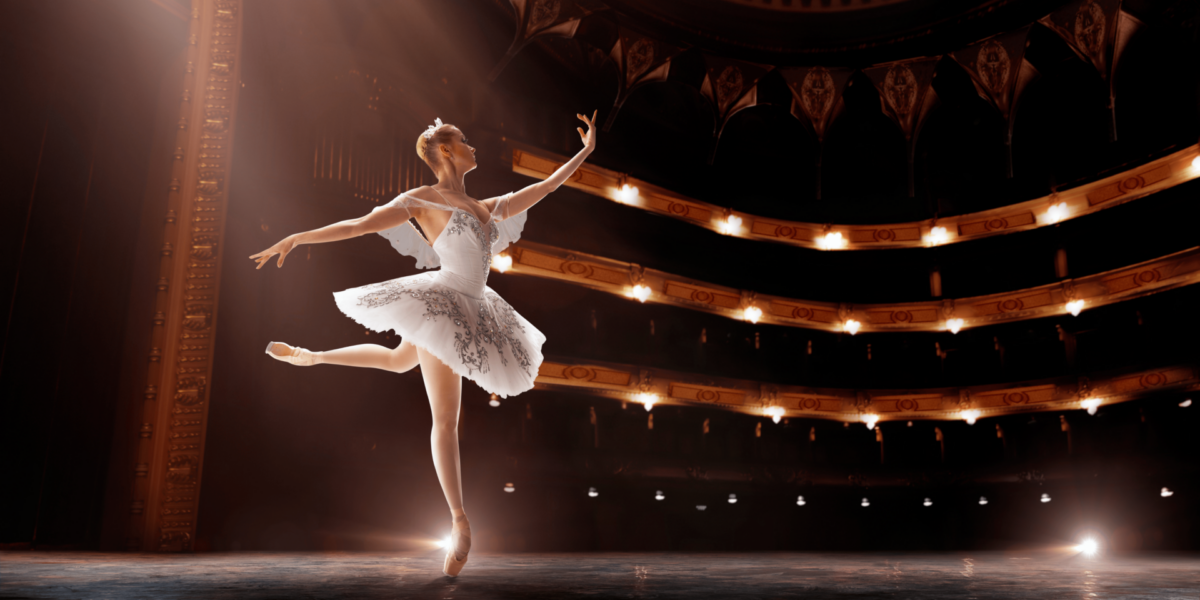
Building Physical Strength Through Consistent Ballet Training
Ballet training develops strength in the legs, core, and back through repetitive, controlled movements that target deep stabilizing muscles. Each barre and center exercise reinforces posture, balance, and joint alignment, creating a solid foundation for more complex choreography. Over time, the body adapts to the demands of training, allowing for greater power in jumps, smoother transitions in turns, and sustained control in extended poses. This physical conditioning not only supports performance but also improves overall body function.
Enhancing Flexibility for Greater Movement Range
Flexibility is a defining element of ballet’s visual and technical appeal. Consistent stretching before and after class increases joint mobility and muscle elasticity, allowing for longer lines and fluid transitions. By focusing on controlled extensions and safe stretching techniques, dancers reduce stiffness and improve range without sacrificing stability. This expanded movement capacity translates into more expressive choreography and better injury prevention during intensive rehearsals.
Improving Balance for Stability and Precision
Balance in ballet goes beyond holding a pose—it supports every step, turn, and landing. Engaging the core, maintaining correct alignment, and distributing weight evenly enable dancers to shift seamlessly between movements without losing form. Training balance daily in the studio ensures that precision remains consistent, whether on stage or in extended rehearsal sequences. As stability improves, dancers gain the confidence to execute more challenging combinations with control.
Refining Coordination for Seamless Transitions
Coordination links technique, timing, and artistry into a cohesive performance. Ballet demands the ability to control multiple parts of the body simultaneously while staying in sync with music and choreography. Rehearsal trains the mind and body to work together, ensuring arms, legs, and torso move in harmony. Improved coordination leads to cleaner transitions, sharper footwork, and an overall smoother execution of choreography.
Strengthening Mental Focus in the Studio
Ballet requires sustained mental focus to absorb corrections, remember complex sequences, and adapt to changes in choreography. Each class challenges concentration by demanding attention to detail in both movement and musical interpretation. This mental discipline sharpens memory and enhances the ability to perform under pressure. In performance settings, focused awareness ensures consistency and reduces the likelihood of errors caused by distraction.
Developing Emotional Expression Through Movement
Ballet communicates emotion through precise physical expression, and dancers refine this skill in every rehearsal. Interpreting choreography with intention requires an understanding of how movement reflects mood, energy, and narrative. This connection between emotion and motion turns technical execution into an engaging performance. By aligning physical choices with emotional content, dancers create a deeper connection with audiences and bring authenticity to their work.
Increasing Stamina for Long-Form Performances
Endurance is critical for sustaining quality from the first movement to the final bow. Ballet training builds stamina by combining strength work with continuous, high-energy sequences. As cardiovascular capacity increases, dancers maintain clarity in their technique even during demanding choreography. This level of conditioning ensures that physical fatigue does not compromise performance quality or artistic delivery.
Cultivating Discipline for Lifelong Benefits
The structured nature of ballet instills discipline that extends beyond the studio. Arriving prepared, following precise routines, and committing to consistent practice create habits that influence other areas of life. This discipline also builds resilience by teaching dancers to work through physical and mental challenges without losing momentum. Over time, the same structured mindset that drives progress in ballet supports personal and professional growth outside of dance.
Supporting Joint Health Through Correct Technique
Ballet’s emphasis on alignment and controlled movement protects joints from unnecessary strain. By learning to engage muscles correctly and distribute weight evenly, dancers reduce the risk of overuse injuries. Regular attention to joint health ensures longevity in training and allows for sustained progress over years of practice. Mature dancers especially benefit from these principles, as they provide a framework for safe, continued participation in ballet.
Encouraging Mind-Body Connection for Overall Well-Being
The integration of movement, music, and focus in ballet strengthens the mind-body connection. Each position and transition requires conscious engagement of muscles while responding to musical cues. This awareness promotes better body control, coordination, and posture in everyday life. The ability to move with intention also enhances overall well-being, creating a sense of harmony between physical capability and mental clarity.
Shaping Identity Through Artistic Growth
Ballet shapes more than physical skill—it influences how dancers see themselves. The combination of technical mastery, physical discipline, and artistic expression fosters a sense of identity rooted in creativity and achievement. Dancers who commit to their craft develop a strong personal connection to their work, finding purpose and meaning in each stage of their training and performance journey.
Integrating Ballet into a Lifelong Practice
Ballet’s impact on mind, body, and spirit extends well beyond early years of training. For many, it becomes a lifelong practice that continues to provide physical challenge, mental engagement, and artistic fulfillment. By adapting training methods to meet changing needs, dancers can maintain and even enhance their skills over decades. This enduring relationship with ballet reflects its unique ability to shape the whole person, making it as much a way of life as an art form.