Building Confidence Through Structured Ballet Training
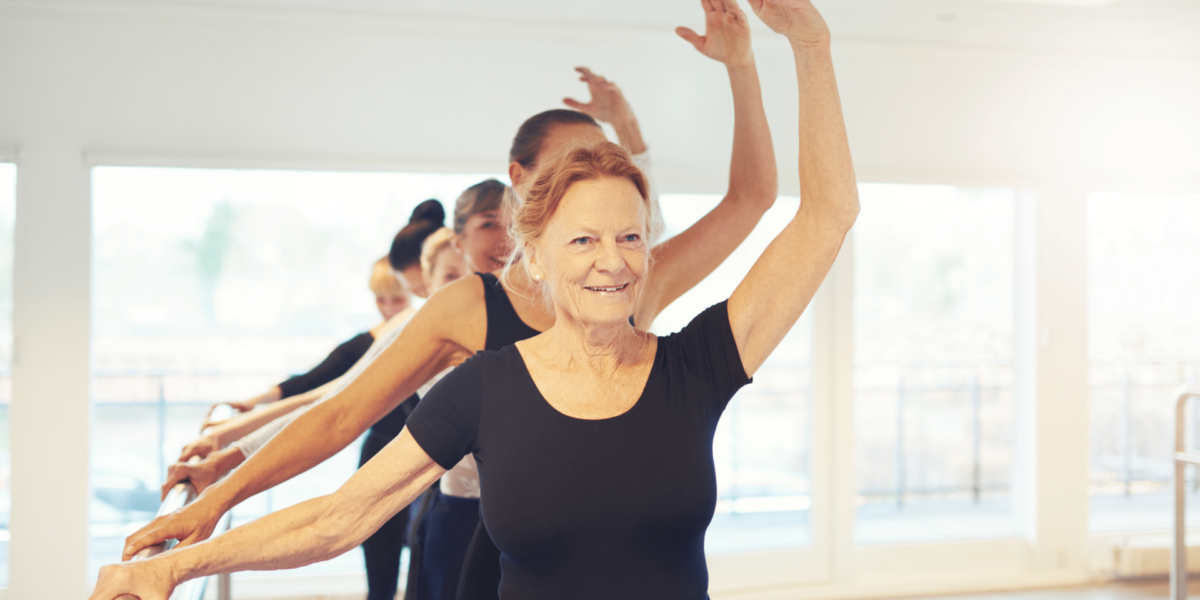
Starting ballet as an adult requires a structured approach that builds confidence from the ground up. The studio environment provides clear progression, from simple positions at the barre to more complex center work. Each class reinforces alignment, posture, and coordination, allowing new dancers to see measurable improvements. This consistent structure creates a sense of stability, making it easier to commit to regular training and track personal growth.
Establishing a Strong Technical Foundation
A solid technical base is essential for progress in ballet. Adult beginners benefit from focusing on correct alignment, turnout, and placement before advancing to more intricate steps. Proper technique not only enhances appearance but also protects the joints and muscles from unnecessary strain. Training with attention to detail ensures that movements are efficient, controlled, and ready for more demanding choreography.
Developing Body Awareness for Better Control
Ballet demands precise control over every movement, and this starts with heightened body awareness. In the studio, mirrors, floor markings, and instructor feedback help dancers understand how each part of the body contributes to a position or step. By connecting physical sensation to visual alignment, adult beginners learn to correct their own form, leading to faster progress and improved confidence in movement execution.
Enhancing Flexibility to Expand Movement Range
Flexibility is a key component of ballet’s fluid style. Adult beginners can gradually increase flexibility through consistent, safe stretching routines integrated into each class. Improved joint mobility allows for greater extension and range, making choreography appear more effortless. As flexibility develops, dancers gain the ability to move with both freedom and control, enhancing the overall quality of their performance.
Strengthening Core and Lower Body Stability
A strong core and stable lower body are the foundation of secure balance and powerful movement. Ballet classes strengthen the abdominal muscles, lower back, hips, and legs through controlled exercises that challenge endurance and coordination. This strength supports every aspect of ballet—from holding positions to executing smooth transitions—while also improving posture in daily life.
Building Balance for Confident Performance
Balance is essential for maintaining control during static poses and dynamic sequences. Adult beginners improve balance by training weight distribution, engaging stabilizing muscles, and refining spatial awareness. With practice, the body becomes more responsive, allowing for fluid changes in direction and steady landings. Enhanced balance not only increases technical accuracy but also boosts confidence during challenging combinations.
Refining Musicality for Expressive Movement
Musicality connects movement to rhythm, phrasing, and dynamics. Adult beginners learn to listen closely to the music, aligning steps with the beat while adapting movement quality to match the score’s mood. This integration of sound and motion brings depth to performances, making them both technically precise and emotionally engaging.
Building Stamina for Sustained Effort
Ballet requires both strength and endurance to maintain energy throughout a class or performance. Adult beginners develop stamina by working through sequences that combine technical precision with continuous movement. Over time, cardiovascular fitness improves, enabling dancers to perform with consistent quality from start to finish without physical fatigue affecting technique.
Applying Focused Repetition for Skill Mastery
Repetition is a powerful tool for developing muscle memory and refining technique. Each time a movement is repeated with precision, the body strengthens its ability to execute it automatically. For adult beginners, this focused practice ensures that improvements in balance, coordination, and alignment become permanent, laying the groundwork for more advanced training.
Adapting Training to Meet Individual Needs
Every adult beginner enters ballet with unique strengths, limitations, and goals. Adapting training methods to suit these needs ensures steady progress while avoiding unnecessary strain. Adjustments in tempo, repetition, and movement range allow each dancer to train at a pace that challenges without overwhelming, making the learning process both sustainable and rewarding.
Using the Studio as a Safe, Supportive Environment
The ballet studio offers a controlled space where adult beginners can focus entirely on learning. Sprung floors reduce impact, mirrors provide visual feedback, and the structured class format keeps progress organized. This safe environment encourages experimentation, helping dancers take risks and explore new movements without fear of injury or judgment.
Integrating Artistry with Technical Growth
Ballet is as much about artistry as it is about technique. Adult beginners can begin integrating expression into their movements once they have a solid technical base. Subtle adjustments in posture, timing, and energy convey emotion and intent, transforming practice into performance. This blend of skill and artistry is where a dancer truly begins to “find their flow.”
Maintaining Consistency for Long-Term Progress
Progress in ballet comes from steady, consistent practice. For adult beginners, attending regular classes and reinforcing skills outside the studio are key to improvement. Over time, consistent engagement builds strength, flexibility, and artistry, turning ballet from a new pursuit into a sustainable part of daily life. This long-term commitment not only improves performance but also fosters a deeper connection to the art form.