Building Confidence Through Structured Dance Training
Confidence grows when training follows a clear, progressive structure. Each class begins with foundational exercises that prepare the body for more complex movements. This predictable sequence allows dancers to focus on improvement rather than uncertainty, creating a sense of security in the learning process. As movements become more familiar, the dancer gains the assurance needed to take on greater challenges with composure.
Strengthening Posture to Project Presence
Strong posture communicates confidence before a single step is taken. Dance training develops this posture through constant attention to alignment of the spine, shoulders, and hips. Rehearsals reinforce these positions until they become natural, allowing dancers to maintain presence both in motion and at rest. Improved posture not only supports performance but also enhances daily physical awareness.
Refining Technique for Greater Self-Assurance
Technical accuracy provides a reliable foundation for performance confidence. Each correction from an instructor and every focused repetition sharpens movement quality. When technique is consistent, dancers perform without hesitation, knowing their bodies can execute the choreography as intended. This assurance transforms uncertainty into certainty with every combination.
Improving Coordination for Smooth Execution
Coordination links the upper and lower body in fluid, synchronized motion. In the studio, dancers train to control timing, direction, and energy so that transitions feel seamless. The ability to move efficiently without breaks in flow eliminates hesitation and allows confidence to grow naturally. This skill also makes it easier to adapt quickly during performances.
Enhancing Musicality to Deepen Expression
Musicality shapes how movement connects to sound, influencing rhythm, phrasing, and dynamic shifts. By training to listen closely and respond with precision, dancers ensure that their performance aligns perfectly with the music. This connection reduces uncertainty and increases self-assurance, as each movement feels supported and guided by the score.
Building Strength and Stamina for Reliable Performance
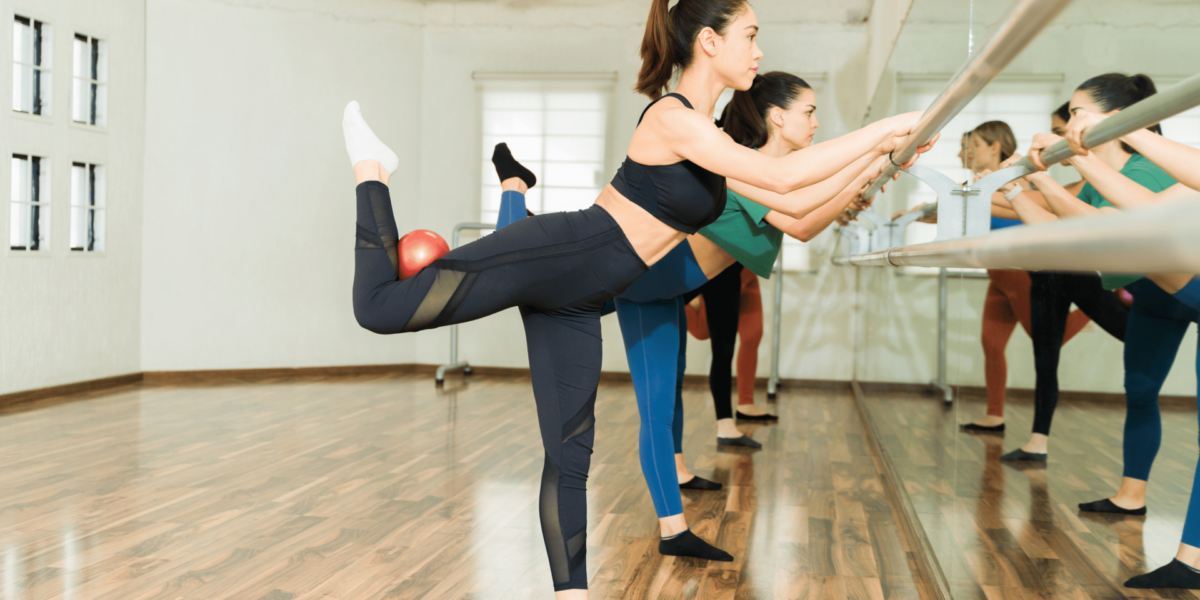
Confidence thrives when the body is prepared to meet the physical demands of dance. Strength training at the barre, combined with center work, builds the power needed for sustained performance. As stamina increases, dancers maintain clarity and control even during demanding sequences, reinforcing trust in their own physical capabilities.
Developing Spatial Awareness for Stage Readiness
Spatial awareness prevents collisions, maintains formations, and ensures clean execution of choreography. Training in the studio includes precise spacing, directional changes, and floor patterns that translate directly to stage performance. This awareness builds confidence in navigating any performance space, regardless of size or layout.
Cultivating Mental Focus Under Pressure
Dance requires the ability to stay mentally engaged under physically demanding conditions. In rehearsals, dancers learn to block out distractions, retain choreography, and respond to corrections in real time. This mental resilience ensures that performance anxiety does not override preparation, allowing confidence to remain intact during high-pressure situations.
Using Rehearsal as a Testing Ground
The studio provides a controlled space where mistakes can be addressed without consequence. Here, dancers push physical and artistic limits, refine problem areas, and solidify skills through repetition. By the time a performance arrives, the dancer has already navigated the challenges in rehearsal, replacing doubt with certainty.
Adapting Technique for Personal Growth
Every dancer’s physical capabilities and learning pace are unique. Adapting technique to fit individual strengths and limitations ensures progress without unnecessary strain. This adaptability fosters a sense of ownership over one’s training, strengthening confidence through the knowledge that improvement is both possible and sustainable.
Integrating Artistry with Technical Mastery
Confidence deepens when a dancer moves beyond executing steps to fully embodying the choreography’s intent. Blending technique with expressive movement transforms a performance into a complete artistic statement. This integration allows dancers to connect with audiences authentically, reinforcing self-assurance in their ability to communicate through dance.
Carrying Confidence Beyond the Studio
The confidence built in dance training extends far beyond rehearsals and performances. Improved posture, mental focus, and adaptability influence daily interactions and personal presence. The self-assurance gained from consistent training becomes a lasting trait, shaping how dancers present themselves in all areas of life.