Developing Core Stability for Lasting Strength
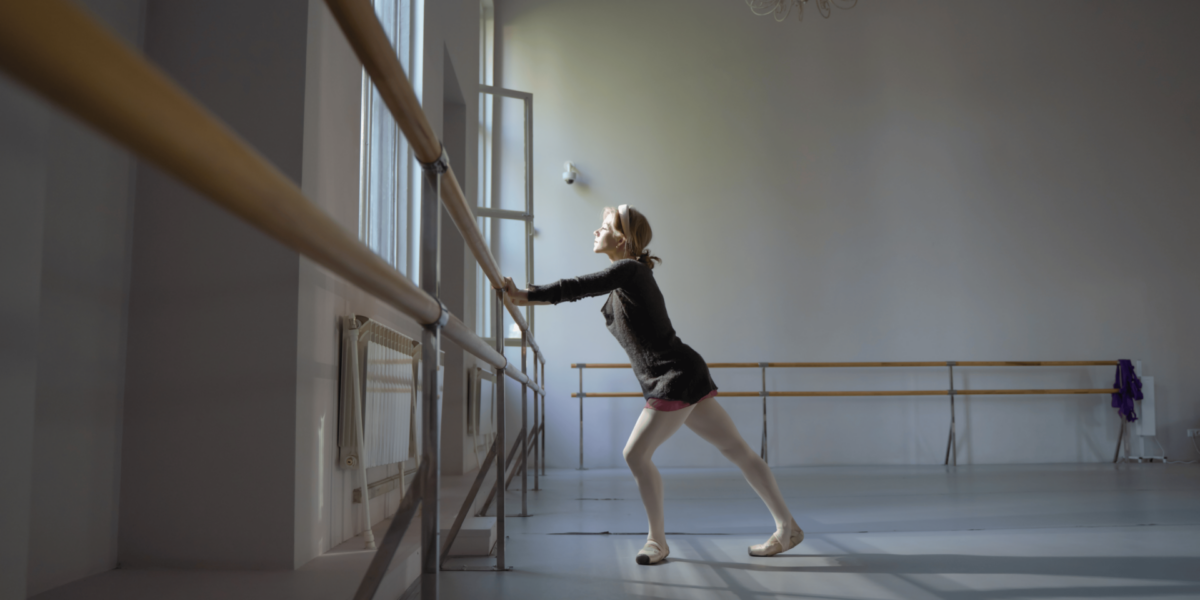
Ballet begins with stability, and stillness plays a central role in achieving it. Holding positions such as an arabesque or retiré requires deep engagement of the core, legs, and back. This control builds strength in the stabilizing muscles, allowing the dancer to maintain alignment under physical strain. Over time, the body learns to respond with steadiness rather than collapse, reinforcing both physical and mental resilience.
Training the Mind to Maintain Focus
Stillness in ballet demands unwavering concentration. Holding a pose requires the dancer to block out distractions, regulate breathing, and maintain awareness of every muscle. In the studio, this mental discipline is tested during balance-focused exercises and slow, controlled sequences. The ability to remain focused despite discomfort or fatigue carries over into other challenges, strengthening resilience in high-pressure situations.
Building Patience Through Controlled Movement
Ballet teaches patience by forcing the body to work slowly and deliberately. Holding still or moving at a controlled tempo demands endurance and precision, leaving no room for rushed execution. This patience develops as dancers learn to wait for the right musical cue or complete a movement without forcing it. Over time, this measured approach fosters the ability to persist through demanding training cycles.
Enhancing Balance to Support Performance Confidence
Balance is a physical skill that depends on stillness at its core. The dancer must find a centered position, engage stabilizing muscles, and adjust micro-movements to remain steady. Training balance through static holds sharpens body awareness, ensuring that transitions and landings are controlled and secure. This stability builds confidence, knowing that the body can maintain form under varying performance conditions.
Strengthening Muscles Without Excess Strain
Stillness in ballet works muscles in a way that is both intense and protective. Static holds challenge endurance without the repetitive impact of continuous jumps or turns. This form of strength-building improves joint stability, reduces injury risk, and supports the longevity of a dancer’s career. The controlled tension in each position also teaches efficiency, using only the necessary energy to maintain form.
Refining Alignment for Efficient Movement
Precise alignment is essential for both stillness and movement. In ballet, holding a position reveals any imbalance or misplacement immediately. Through repeated corrections in the studio, dancers learn to stack joints correctly and distribute weight evenly. This refined alignment not only supports stillness but also improves the efficiency of all other movements, making the body more adaptable to complex choreography.
Cultivating Emotional Control Under Pressure
Stillness on stage demands emotional control, as the dancer must project composure even when facing physical strain or performance anxiety. Ballet training recreates these high-pressure moments in rehearsal, allowing dancers to practice maintaining expression and posture despite internal challenges. This emotional discipline becomes a powerful form of resilience, enabling consistent performance regardless of circumstances.
Learning Recovery Through Pause and Reset
In ballet, moments of stillness often serve as points of recovery between demanding sequences. These pauses train the body to reset quickly while maintaining poise. In rehearsal, dancers use these intervals to regulate breathing, refocus attention, and prepare for the next movement. Mastering this recovery process ensures endurance throughout an entire performance without visible fatigue.
Using Resistance to Build Endurance
Holding a position for an extended time creates a natural resistance that challenges the muscles and the mind. This sustained engagement builds endurance by forcing the body to work against its own weight without momentum to assist. Over time, this endurance allows dancers to sustain technical precision and emotional expression for the duration of long performances.
Integrating Stillness Into Storytelling
Stillness in ballet is not passive—it can convey intention, emotion, or transition within a performance. A held pose can signal anticipation, closure, or transformation in the narrative. By training to maintain clarity in these moments, dancers enhance the storytelling impact of their performance, ensuring that the audience remains engaged even in silence and pause.
Transforming Stillness Into Inner Strength
The discipline of maintaining stillness in ballet builds more than physical capability—it strengthens mental endurance. The ability to remain poised under strain, to wait with control, and to project confidence in motionless moments translates into resilience both on and off stage. Through this practice, dancers develop a form of strength that endures far beyond the studio.