Rediscovering Motivation Through Musical Connection
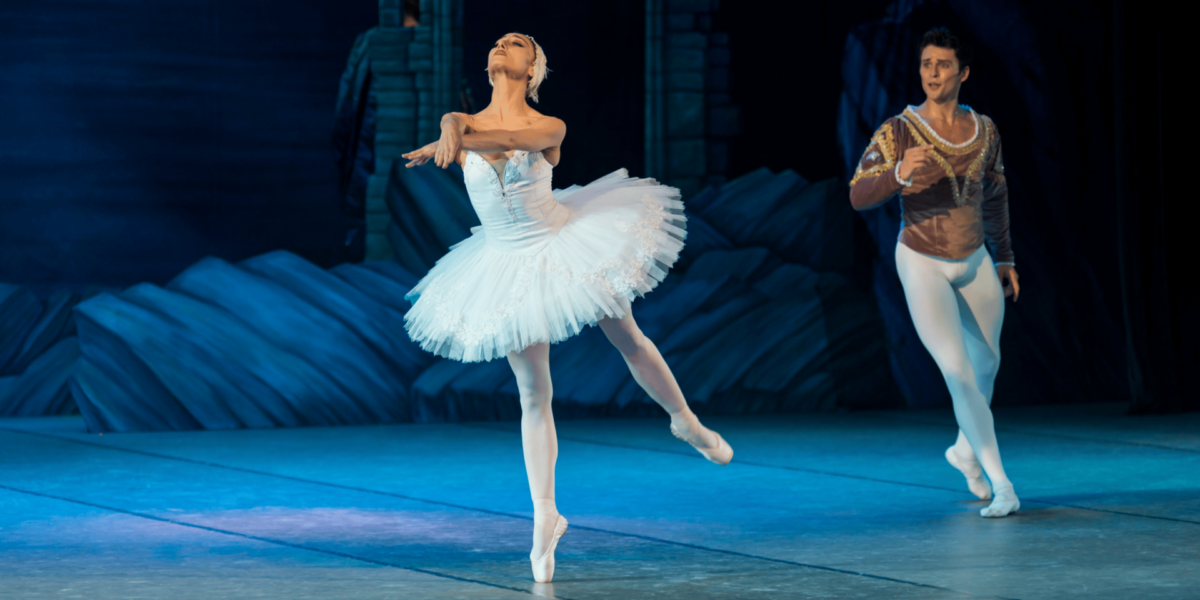
Music shapes the energy, pace, and emotion of every performance. When a dancer reconnects with the music on a deeper level, movement regains its meaning and purpose. In rehearsal, listening actively to the rhythm, phrasing, and dynamics helps align steps with the score’s emotional tone. This deliberate connection restores motivation by making each performance feel like a dialogue between movement and sound.
Strengthening Stage Presence with Musical Awareness
Stage presence grows when dancers use music to guide their performance choices. Responding to changes in tempo or dynamics adds depth to the choreography, making it feel alive and immediate. In practice, focusing on how the music shifts from one section to another allows for intentional adjustments in movement quality. This attentiveness ensures that the performance remains compelling from the first note to the final chord.
Building Emotional Expression Through Sound and Motion
Music offers a foundation for emotional storytelling, and dancers can use this to reignite their passion. Aligning physical expression with the mood of the score allows emotions to flow naturally through the choreography. In a performance setting, this synchronization amplifies the audience’s connection to the piece, turning movement into a shared emotional experience.
Refining Timing for Technical and Artistic Impact
Precision in timing strengthens both the technical and artistic aspects of a performance. By matching each movement to a specific beat or musical cue, dancers achieve clarity and consistency. In rehearsal, this refinement involves breaking down choreography into exact counts, ensuring every step lands with purpose. Strong timing reinforces confidence, making it easier to perform with authority and fluidity.
Using Musical Dynamics to Create Contrast
Contrast in performance captures and sustains audience attention. By interpreting shifts in volume, intensity, and tempo, dancers create variety within their movement. A quiet passage might inspire controlled, sustained motions, while a powerful crescendo can drive expansive, high-energy steps. Training with this sensitivity to dynamics keeps the performance engaging and layered.
Enhancing Focus Through Musical Immersion
Fully immersing in the music during rehearsal strengthens concentration and blocks distractions. This focus helps dancers maintain alignment, remember choreography, and respond quickly to cues. By centering attention on the music, the mind stays anchored in the performance, reducing anxiety and allowing passion to surface naturally.
Expanding Artistic Range Through Varied Scores
Working with a range of musical styles challenges dancers to adapt their movement vocabulary and emotional delivery. Each style demands unique phrasing, energy, and interpretation. This variety prevents artistic stagnation and encourages exploration, helping performers find new ways to express themselves while deepening their connection to the music.
Aligning Ensemble Performances Through Shared Rhythm
In group performances, music serves as the unifying element that keeps dancers moving as one. Synchronizing movement with a common rhythm ensures precision in formations and transitions. In the studio, rehearsing to the same musical cues reinforces this cohesion, making ensemble work feel seamless and harmonious on stage.
Strengthening Stamina with Rhythm-Driven Rehearsal
Music can be used strategically to build endurance by structuring rehearsals around its tempo and phrasing. Faster sections push cardiovascular limits, while slower, sustained passages challenge muscle control and stability. Training in rhythm-specific intervals develops the stamina needed to sustain performance quality across long pieces.
Reconnecting with Personal Interpretation
Reigniting passion often means finding a personal stake in the performance. By interpreting the music in a way that resonates personally, dancers infuse authenticity into their movements. This approach transforms choreography from a set of memorized steps into an artistic statement, restoring the excitement and purpose that drives a powerful performance.
Maintaining Musical Sensitivity in Live Settings
Live performances often include variations in tempo or interpretation from the musicians. Staying attuned to these changes ensures adaptability without breaking the flow of the performance. Dancers trained to listen closely and adjust in real time maintain the integrity of the choreography while embracing the spontaneity that makes each show unique.
Sustaining Passion Beyond the Stage
The emotional connection to music built in performance continues to influence training long after the curtain falls. Carrying this connection into daily practice keeps movement purposeful and expressive, preventing burnout and sustaining artistic drive. By continually “chasing the music,” dancers maintain a living connection to the art form, ensuring that passion remains central to their work.