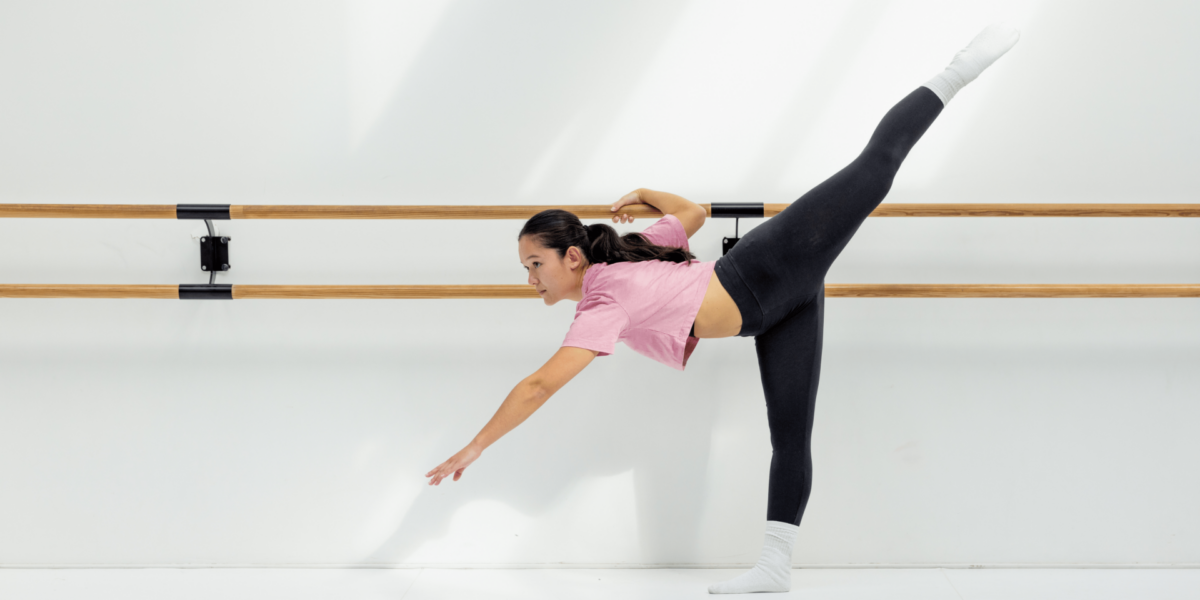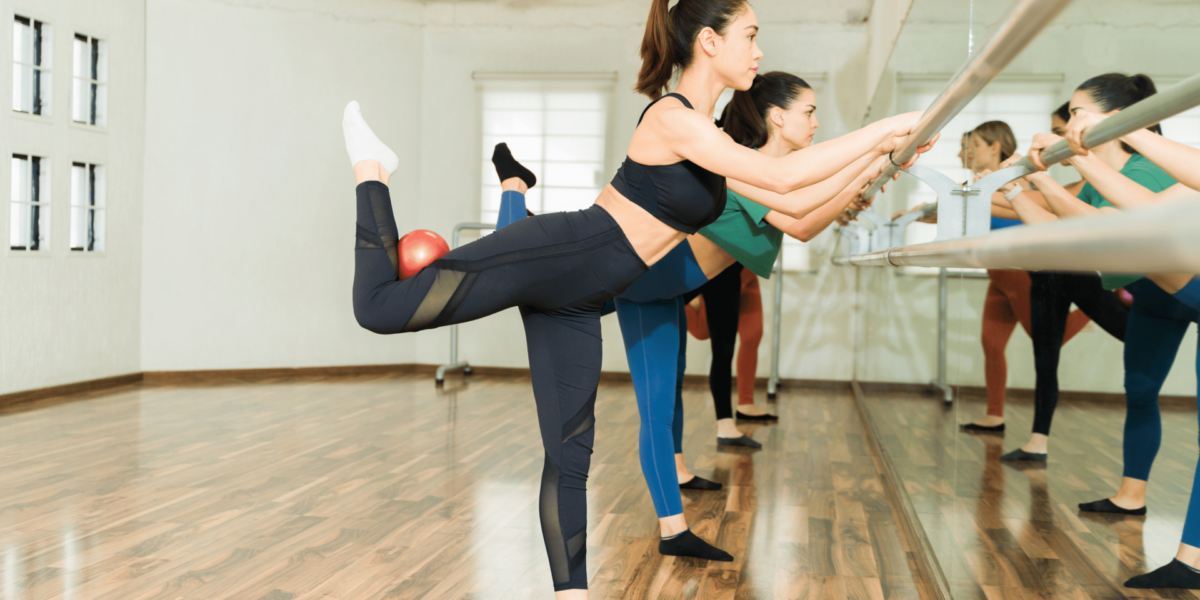
Beyond the Barre: Discovering Confidence Through Dance

Building Confidence Through Structured Dance Training

Confidence grows when training follows a clear, progressive structure. Each class begins with foundational exercises that prepare the body for more complex movements. This predictable sequence allows dancers to focus on improvement rather than uncertainty, creating a sense of security in the learning process. As movements become more familiar, the dancer gains the assurance needed to take on greater challenges with composure.

Strengthening Posture to Project Presence

Strong posture communicates confidence before a single step is taken. Dance training develops this posture through constant attention to alignment of the spine, shoulders, and hips. Rehearsals reinforce these positions until they become natural, allowing dancers to maintain presence both in motion and at rest. Improved posture not only supports performance but also enhances daily physical awareness.

Refining Technique for Greater Self-Assurance

Technical accuracy provides a reliable foundation for performance confidence. Each correction from an instructor and every focused repetition sharpens movement quality. When technique is consistent, dancers perform without hesitation, knowing their bodies can execute the choreography as intended. This assurance transforms uncertainty into certainty with every combination.

Improving Coordination for Smooth Execution

Coordination links the upper and lower body in fluid, synchronized motion. In the studio, dancers train to control timing, direction, and energy so that transitions feel seamless. The ability to move efficiently without breaks in flow eliminates hesitation and allows confidence to grow naturally. This skill also makes it easier to adapt quickly during performances.

Enhancing Musicality to Deepen Expression

Musicality shapes how movement connects to sound, influencing rhythm, phrasing, and dynamic shifts. By training to listen closely and respond with precision, dancers ensure that their performance aligns perfectly with the music. This connection reduces uncertainty and increases self-assurance, as each movement feels supported and guided by the score.

Building Strength and Stamina for Reliable Performance

Confidence thrives when the body is prepared to meet the physical demands of dance. Strength training at the barre, combined with center work, builds the power needed for sustained performance. As stamina increases, dancers maintain clarity and control even during demanding sequences, reinforcing trust in their own physical capabilities.

Developing Spatial Awareness for Stage Readiness

Spatial awareness prevents collisions, maintains formations, and ensures clean execution of choreography. Training in the studio includes precise spacing, directional changes, and floor patterns that translate directly to stage performance. This awareness builds confidence in navigating any performance space, regardless of size or layout.

Cultivating Mental Focus Under Pressure

Dance requires the ability to stay mentally engaged under physically demanding conditions. In rehearsals, dancers learn to block out distractions, retain choreography, and respond to corrections in real time. This mental resilience ensures that performance anxiety does not override preparation, allowing confidence to remain intact during high-pressure situations.

Using Rehearsal as a Testing Ground

The studio provides a controlled space where mistakes can be addressed without consequence. Here, dancers push physical and artistic limits, refine problem areas, and solidify skills through repetition. By the time a performance arrives, the dancer has already navigated the challenges in rehearsal, replacing doubt with certainty.

Adapting Technique for Personal Growth

Every dancer’s physical capabilities and learning pace are unique. Adapting technique to fit individual strengths and limitations ensures progress without unnecessary strain. This adaptability fosters a sense of ownership over one’s training, strengthening confidence through the knowledge that improvement is both possible and sustainable.

Integrating Artistry with Technical Mastery

Confidence deepens when a dancer moves beyond executing steps to fully embodying the choreography’s intent. Blending technique with expressive movement transforms a performance into a complete artistic statement. This integration allows dancers to connect with audiences authentically, reinforcing self-assurance in their ability to communicate through dance.

Carrying Confidence Beyond the Studio

The confidence built in dance training extends far beyond rehearsals and performances. Improved posture, mental focus, and adaptability influence daily interactions and personal presence. The self-assurance gained from consistent training becomes a lasting trait, shaping how dancers present themselves in all areas of life.
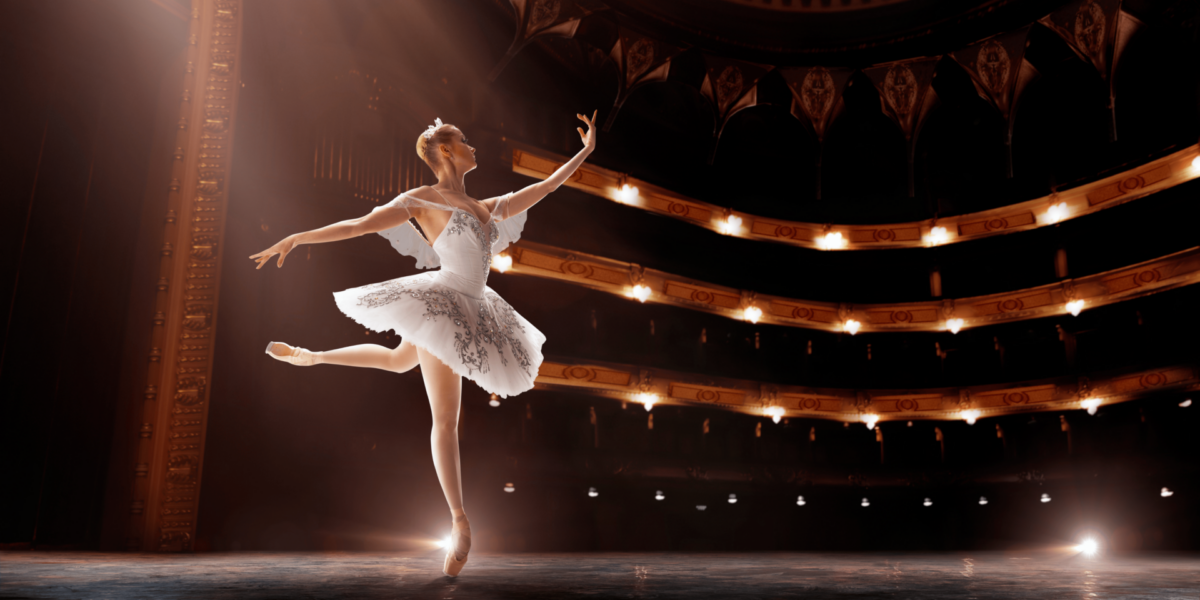
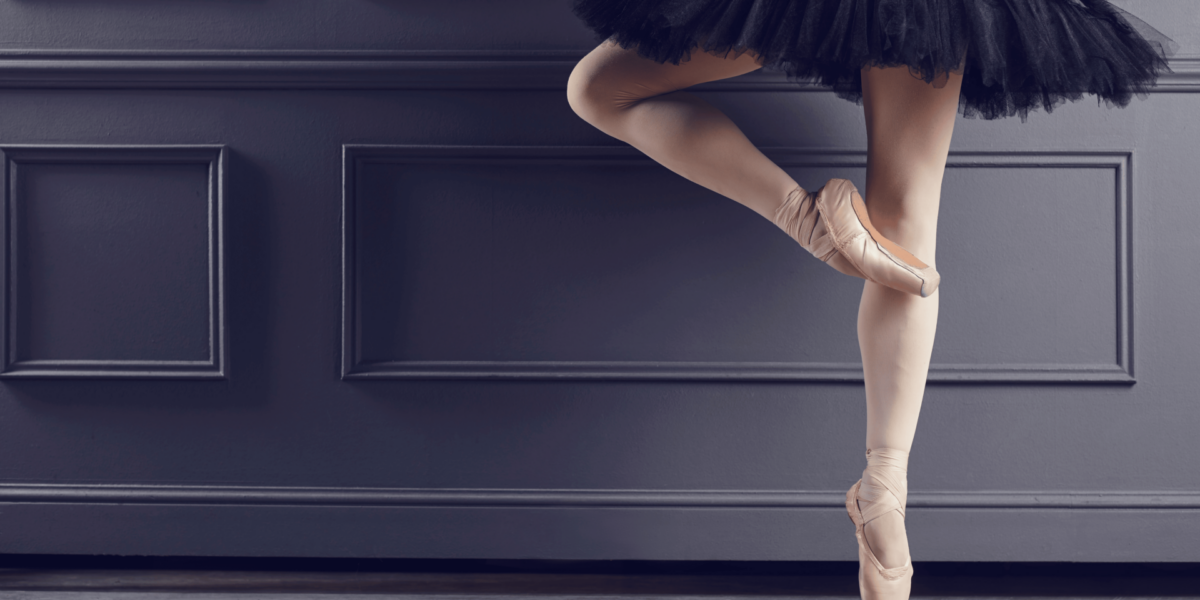
Dancing Through Life: How Ballet Shapes Mind, Body, and Spirit

Building Physical Strength Through Consistent Ballet Training

Ballet training develops strength in the legs, core, and back through repetitive, controlled movements that target deep stabilizing muscles. Each barre and center exercise reinforces posture, balance, and joint alignment, creating a solid foundation for more complex choreography. Over time, the body adapts to the demands of training, allowing for greater power in jumps, smoother transitions in turns, and sustained control in extended poses. This physical conditioning not only supports performance but also improves overall body function.

Enhancing Flexibility for Greater Movement Range

Flexibility is a defining element of ballet’s visual and technical appeal. Consistent stretching before and after class increases joint mobility and muscle elasticity, allowing for longer lines and fluid transitions. By focusing on controlled extensions and safe stretching techniques, dancers reduce stiffness and improve range without sacrificing stability. This expanded movement capacity translates into more expressive choreography and better injury prevention during intensive rehearsals.

Improving Balance for Stability and Precision

Balance in ballet goes beyond holding a pose—it supports every step, turn, and landing. Engaging the core, maintaining correct alignment, and distributing weight evenly enable dancers to shift seamlessly between movements without losing form. Training balance daily in the studio ensures that precision remains consistent, whether on stage or in extended rehearsal sequences. As stability improves, dancers gain the confidence to execute more challenging combinations with control.

Refining Coordination for Seamless Transitions

Coordination links technique, timing, and artistry into a cohesive performance. Ballet demands the ability to control multiple parts of the body simultaneously while staying in sync with music and choreography. Rehearsal trains the mind and body to work together, ensuring arms, legs, and torso move in harmony. Improved coordination leads to cleaner transitions, sharper footwork, and an overall smoother execution of choreography.

Strengthening Mental Focus in the Studio

Ballet requires sustained mental focus to absorb corrections, remember complex sequences, and adapt to changes in choreography. Each class challenges concentration by demanding attention to detail in both movement and musical interpretation. This mental discipline sharpens memory and enhances the ability to perform under pressure. In performance settings, focused awareness ensures consistency and reduces the likelihood of errors caused by distraction.

Developing Emotional Expression Through Movement

Ballet communicates emotion through precise physical expression, and dancers refine this skill in every rehearsal. Interpreting choreography with intention requires an understanding of how movement reflects mood, energy, and narrative. This connection between emotion and motion turns technical execution into an engaging performance. By aligning physical choices with emotional content, dancers create a deeper connection with audiences and bring authenticity to their work.

Increasing Stamina for Long-Form Performances

Endurance is critical for sustaining quality from the first movement to the final bow. Ballet training builds stamina by combining strength work with continuous, high-energy sequences. As cardiovascular capacity increases, dancers maintain clarity in their technique even during demanding choreography. This level of conditioning ensures that physical fatigue does not compromise performance quality or artistic delivery.

Cultivating Discipline for Lifelong Benefits

The structured nature of ballet instills discipline that extends beyond the studio. Arriving prepared, following precise routines, and committing to consistent practice create habits that influence other areas of life. This discipline also builds resilience by teaching dancers to work through physical and mental challenges without losing momentum. Over time, the same structured mindset that drives progress in ballet supports personal and professional growth outside of dance.

Supporting Joint Health Through Correct Technique

Ballet’s emphasis on alignment and controlled movement protects joints from unnecessary strain. By learning to engage muscles correctly and distribute weight evenly, dancers reduce the risk of overuse injuries. Regular attention to joint health ensures longevity in training and allows for sustained progress over years of practice. Mature dancers especially benefit from these principles, as they provide a framework for safe, continued participation in ballet.

Encouraging Mind-Body Connection for Overall Well-Being

The integration of movement, music, and focus in ballet strengthens the mind-body connection. Each position and transition requires conscious engagement of muscles while responding to musical cues. This awareness promotes better body control, coordination, and posture in everyday life. The ability to move with intention also enhances overall well-being, creating a sense of harmony between physical capability and mental clarity.

Shaping Identity Through Artistic Growth

Ballet shapes more than physical skill—it influences how dancers see themselves. The combination of technical mastery, physical discipline, and artistic expression fosters a sense of identity rooted in creativity and achievement. Dancers who commit to their craft develop a strong personal connection to their work, finding purpose and meaning in each stage of their training and performance journey.

Integrating Ballet into a Lifelong Practice

Ballet’s impact on mind, body, and spirit extends well beyond early years of training. For many, it becomes a lifelong practice that continues to provide physical challenge, mental engagement, and artistic fulfillment. By adapting training methods to meet changing needs, dancers can maintain and even enhance their skills over decades. This enduring relationship with ballet reflects its unique ability to shape the whole person, making it as much a way of life as an art form.

Elegance Redefined: Embracing Ballet Beyond Youth

Recognizing Ballet as a Lifelong Discipline

Ballet training does not lose its value with age; it adapts to meet the needs of the mature body. The discipline continues to demand precision, focus, and control, but the approach shifts toward efficiency and longevity. By adjusting intensity and pace, dancers beyond youth maintain progress without overloading joints or muscles. The discipline of returning to the studio reinforces structure and purpose, keeping technique sharp while honoring the body’s current capabilities.

Building Strength with Targeted Conditioning

Strength remains a cornerstone of ballet at any stage of life. As the body matures, focused conditioning becomes essential for sustaining technique and preventing fatigue during extended rehearsals. Targeted exercises at the barre and in center work engage the deep stabilizing muscles that support posture, balance, and movement control. Consistent strengthening of the legs, core, and back ensures that every position, turn, and extension maintains the clarity required in ballet performance.

Maintaining Flexibility for Artistic Range

Flexibility enables dancers to fully express the length and fluidity of ballet movements. For those embracing ballet later in life, flexibility work should focus on steady, sustainable gains rather than extreme ranges. Controlled stretching before and after class improves joint mobility and reduces stiffness, making it easier to perform choreography with grace. This steady approach ensures that flexibility supports rather than strains the body.

Enhancing Balance for Confident Performance

Balance training becomes even more critical beyond youth. A stable foundation allows for secure turns, controlled landings, and smooth directional changes. By consistently engaging the core and refining weight placement, dancers increase their ability to move with assurance. In the studio, exercises that shift weight in measured transitions improve stability and prepare the body for the demands of more complex sequences.

Adapting Technique for Longevity

Sustaining ballet practice over decades requires technique adjustments that reduce strain without compromising artistry. This includes refining movement efficiency, minimizing unnecessary tension, and choosing alignment that protects joints. Instructors guide these adaptations to ensure dancers maintain precision while avoiding movements that could lead to overuse injuries. This strategic approach allows for continuous growth and performance quality, even as the body’s needs change.

Refining Musicality for Deeper Interpretation

Musicality remains central to ballet’s artistry, and maturity often deepens a dancer’s ability to interpret music with nuance. Listening beyond the surface rhythm allows movements to align with phrasing, dynamics, and emotional tone. This deeper connection to the score transforms choreography into a richer, more expressive performance. In rehearsals, dancers work to match physical timing with the music’s natural flow, ensuring each step carries intention.

Building Stamina for Rehearsal and Performance

Sustaining energy throughout class and stage performance requires stamina that extends beyond physical fitness. Mature dancers benefit from integrated training that combines cardiovascular conditioning with ballet technique. Structured sequences in rehearsal keep the body moving without long pauses, conditioning the heart and lungs to maintain output. As stamina improves, dancers sustain clarity of movement and emotional expression from start to finish.

Strengthening Mental Focus in the Studio

Mental focus is a critical skill that develops alongside physical ability. Mature dancers often approach ballet with heightened concentration, making each movement deliberate and purposeful. In the studio, this focus helps absorb corrections, remember complex choreography, and adapt quickly to adjustments. This level of attentiveness ensures that progress remains steady and rehearsals remain productive.

Preparing the Body for Stage Demands

Transitioning from studio training to live performance requires preparation that addresses both physical readiness and stage adaptation. Mature dancers benefit from rehearsing under performance-like conditions, adjusting to stage dimensions, lighting, and audience presence. This preparation ensures that movement precision and emotional delivery remain consistent under the heightened intensity of a performance setting.

Integrating Artistry with Technical Mastery

Artistry becomes a defining strength as dancers progress beyond youth. With years of experience, movement gains depth and authenticity, allowing performances to connect more powerfully with audiences. In rehearsals, dancers focus on infusing each step with meaning, shaping the choreography to communicate emotion while preserving technical clarity. This integration of artistry and skill transforms dance into a fully realized performance.

Sustaining Ballet as Part of a Lifelong Practice

Ballet’s benefits extend far beyond the studio, influencing physical health, mental clarity, and emotional well-being. Continuing to train beyond youth reinforces discipline, supports mobility, and nurtures a creative outlet. By approaching each class with commitment and adapting to the body’s evolving needs, dancers can sustain their artistry and technical growth for decades, proving that elegance in ballet is not limited by age—it is refined by experience.

The Studio as Sanctuary: Finding Stillness Through Movement

Movement Creates a Space for Mental Clarity

Inside a dance or movement studio, distraction fades. The body takes the lead, guiding the mind into focused motion. With each step, turn, or stretch, thoughts become simpler, more aligned. This shift helps clear mental clutter and restore balance.

A person entering the studio after a long, demanding day may feel overstimulated. But as class begins and movement takes over, their thoughts quiet. Instead of racing from task to task, they follow the rhythm and reconnect with the present moment.

Repetition in Movement Builds Emotional Stillness

Structured movement helps settle emotions. When the same sequence is practiced with purpose, it gives the mind something steady to follow. This repetition builds consistency, reduces tension, and supports emotional grounding.

A dancer repeating a barre combination begins to feel more centered with each round. The movement doesn’t just work the body—it calms the nervous system. This reliable pattern brings a sense of stillness not by stopping action, but by focusing it.

The Studio Environment Supports Focus and Presence

Studios are designed for attention and intention. With clean lines, mirrors, and minimal noise, the space allows participants to leave behind daily distractions. The studio becomes a setting where presence is not only possible—it’s expected.

Someone entering the studio leaves their phone behind, silences alerts, and steps into a room where stillness is found in discipline. The structure of the space invites calm, and even in motion, there’s a sense of quiet within the routine.

Breath Links the Physical and the Mental

Breath is a core part of mindful movement. In the studio, breath often guides transitions and holds energy between steps. This connection links the physical body to internal awareness, helping individuals find calm within effort.

A person following a slow stretch sequence may inhale during reach and exhale through release. This breath control not only supports stability—it also slows the mind. Through this rhythm, stillness arises in sync with the body’s flow.

Creative Expression Offers Release and Relief

Movement gives form to emotion. In the studio, expression becomes physical, allowing stress, frustration, or joy to move through the body instead of staying trapped in the mind. Creative movement channels emotion in a healthy, structured way.

A student working through a center combination may carry emotion in every gesture. The movement becomes a way to process inner experience without using words. After the final pose, there’s often a quiet shift—like a weight lifted through motion.

Consistent Practice Builds Internal Peace

Routine and ritual play a role in finding stillness. Attending class regularly provides rhythm and predictability, which helps create emotional stability. The repeated act of showing up becomes its own anchor.

Someone who attends weekly classes may notice how this time becomes essential. Not because of performance goals, but because it offers a consistent return to self. That return becomes a kind of stillness—a pause from life’s constant movement.

Physical Discipline Invites Mental Stillness

Stillness does not mean lack of action. In the studio, stillness often comes from precision. Holding balance, sustaining posture, or mastering a phrase requires focus. That attention quiets the noise that often fills the mind.

During a slow balance, the dancer is fully engaged—not only in the physical effort but in the stillness it creates. Every part of the body works together, and the mind aligns with that effort. In this moment, the only thing that exists is presence.

Community Support Enhances the Sanctuary Effect

Studios are more than physical rooms—they’re also emotional spaces built through shared energy. Practicing alongside others who share intention strengthens the sense of sanctuary. This collective focus enhances the feeling of calm.

In a group class, even without speaking, participants support one another. Each person’s presence affirms the value of the practice. The shared silence between movements and mutual respect for space build a sense of belonging and peace.

The End of Class Marks a Mental Reset

Classes usually end with stillness—whether in a final pose, a cooldown, or a moment of silence. This intentional pause helps seal the experience. It allows reflection and sends participants back into the world with renewed focus.

After the final movement, a participant stands in stillness. The quiet feels different now—earned through effort, shaped by movement. This closing moment marks the shift from internal motion to external calm. It’s a return to life, now grounded and clear.

The Studio Teaches Balance That Extends Beyond

What begins in the studio does not stay there. The stillness found through movement follows individuals into their daily lives. Posture improves, reactions slow, and decisions feel more intentional. These are the lasting effects of moving mindfully in a quiet space.

A dancer walking home after class might notice they carry themselves differently—not just in their steps, but in how they respond to stress. The studio has become a sanctuary, not only in space but in memory and habit. That stillness lives on in how they move through the world.

From Studio to Sidewalk: How Ballet Transforms Daily Movement

Ballet Trains the Body for Everyday Balance

Ballet builds balance that extends beyond the studio. Through precise footwork, core control, and alignment, dancers develop an awareness of how weight shifts and how to stabilize the body in motion.

In a realistic scenario, someone who regularly attends adult ballet classes may start to notice fewer stumbles when walking on uneven pavement or climbing stairs. This isn’t accidental. Their improved balance, developed at the barre, translates directly into more stable and intentional movements throughout the day.

Posture Improvement Carries Over Into Public Spaces

Posture is a key focus in ballet. The spine remains tall, the shoulders stay open, and the head aligns with the hips. Practicing this structure in class trains the body to maintain better posture without conscious effort.

This physical shift becomes obvious outside the studio. Standing in line at a grocery store or speaking during a meeting, someone with ballet training presents a calm, upright presence. This posture not only helps with back health but also projects self-assurance and attentiveness in public settings.

Ballet Enhances Coordination for Routine Tasks

Coordination improves with each class. Ballet teaches the brain and body to work together. Movements like tendus and rond de jambes require multiple body parts to move at once, building timing and control.

That same coordination affects daily routines. A person may find they carry groceries more smoothly, avoid bumping into doorways, or even reach for items with greater accuracy. This ease of movement comes from repetitive practice and increased neuromuscular control.

Graceful Transitions Replace Rushed Movements

Ballet emphasizes fluid transitions between movements. Rather than rushing, dancers learn to move deliberately from one position to another. This pacing changes how the body approaches everyday motion.

Outside the studio, someone might notice they no longer jolt into a chair or slam a car door. Their movements feel more fluid and controlled. This isn’t about looking elegant; it’s about applying learned control and intention to everyday activities.

Foot Strength and Awareness Support Daily Mobility

In ballet, feet work constantly. Whether pointing, flexing, or holding balance, the feet become stronger and more sensitive to ground contact. This engagement strengthens small muscles often ignored in daily life.

On sidewalks, this translates to steadier steps and quicker reflexes. When a surface is slippery or uneven, trained feet react faster. This increased foot awareness supports safer and more confident walking, especially in urban settings or unpredictable weather.

Joint Mobility Supports Functional Movement

Barre work improves the range of motion in the hips, knees, shoulders, and ankles. Each movement encourages joints to work through their full range without strain. This prevents stiffness and supports healthy mobility.

In daily life, this makes it easier to reach, bend, and twist without discomfort. Whether retrieving something from a low shelf or turning while seated, joints that move well make the task easier and reduce the risk of injury. Ballet conditions the joints for everyday demands.

Breath Awareness Connects to Physical Control

Breathing in ballet aligns with movement. Dancers learn to inhale to prepare and exhale to execute. This breath coordination supports rhythm and control, and it carries into ordinary situations.

Someone waiting in traffic or walking up stairs may unconsciously apply this habit. Rather than holding their breath or tensing up, they breathe more intentionally. This supports endurance, calmness, and body control in routine moments.

Body Alignment Reduces Strain and Fatigue

Proper alignment prevents unnecessary strain. Ballet trains the body to distribute weight evenly, protect the joints, and move efficiently. Over time, this reduces wear and tear on the body.

In a real-world scenario, someone who once felt sore after a long day on their feet may now recover faster or avoid the soreness altogether. Their improved alignment reduces inefficient movement patterns and helps conserve energy throughout the day.

Mind-Body Connection Increases Spatial Awareness

Ballet develops a strong mind-body connection. Movements require precision, which means dancers constantly assess their body’s position in space. This heightened awareness becomes part of how they move everywhere.

Navigating crowded sidewalks or small indoor spaces becomes easier. A ballet-trained adult adjusts without overthinking. This skill supports better reactions, reduces clumsiness, and makes daily movement feel smoother and more efficient.

Ballet Shapes Movement Beyond the Studio

Ballet transforms more than how the body performs in class. It reshapes how adults carry themselves, interact with their surroundings, and complete daily tasks. From posture and coordination to breath control and alignment, ballet barre classes improve everyday movement in subtle but impactful ways.

These benefits don’t require years of training. With regular practice, adults notice a shift in how their bodies function outside the studio. Movement becomes more intentional, balanced, and efficient. Ballet isn’t just a class—it’s a tool for lifelong physical awareness and control.

Why Ballet Barre Classes Are the Ultimate Confidence Booster for Adults

Reconnecting With Your Body Through Ballet Barre

Ballet barre classes give adults a structured and graceful way to reconnect with their bodies. Unlike fast-paced workouts, barre uses slow, deliberate movements that require balance, control, and alignment. This focused approach makes it easier to become aware of how your body moves, holds tension, and builds strength over time.

In a realistic scenario, imagine a person who sits at a desk for hours every day. Over time, their posture weakens, and physical activity becomes less frequent. After a few weeks of ballet barre classes, they begin to stand taller, feel more in control of their movements, and notice improved coordination. These small but clear changes in physical awareness create a lasting sense of confidence.

Structured Movement Creates Predictable Progress

Adult ballet barre classes follow a predictable structure that helps build consistency. Each class typically begins with a warm-up, followed by barre exercises, and ends with gentle stretches. This rhythm provides a dependable way to measure growth.

Consistency builds confidence. Knowing what to expect each time removes uncertainty. It allows adults to focus on refining specific movements rather than worrying about keeping up. As technique improves and movements feel more natural, the sense of progress becomes tangible.

Mastery Over Technique Fuels Inner Confidence

Ballet technique takes time to learn, and each step builds on the last. This layered learning process empowers adults to take control of their own development. With each class, students gain more mastery over posture, arm positions, and leg alignment. These technical wins aren’t flashy, but they are deeply satisfying.

A person who once struggled with a basic plié now performs it with ease and control. This kind of steady improvement reinforces the idea that effort pays off. It also shifts the focus away from perfection and toward progress, which strengthens internal confidence.

Mindful Movement Supports Mental Well-Being

Ballet barre requires concentration. Each movement engages the mind as well as the body. This focus reduces mental clutter and promotes a sense of calm. Unlike high-intensity workouts that can feel chaotic, barre allows space for reflection.

For adults dealing with daily stress or anxiety, the mental clarity developed through barre practice can offer noticeable relief. The class becomes a break from constant decision-making, work demands, and distractions. As mental fog clears, confidence grows from a clearer and more focused mind.

Community Support Enhances Personal Growth

Adult ballet barre classes attract people from different backgrounds who share a common goal: self-improvement. This shared purpose creates a supportive environment. Instructors guide students without pressure. Fellow classmates offer encouragement without competition.

In one realistic studio setting, a beginner might feel unsure on their first day. But after a few weeks, familiar faces offer nods of encouragement, and instructors provide helpful feedback tailored to the student’s progress. That sense of belonging fosters trust—in others and in oneself. It strengthens confidence beyond physical ability.

Posture and Presence Influence Everyday Life

One of the most immediate benefits of ballet barre is improved posture. Classes emphasize spinal alignment, shoulder stability, and core engagement. These physical adjustments don’t just stay in the studio—they extend into everyday situations.

Picture someone walking into a room with lifted posture, steady movement, and clear eye contact. This presence makes a strong impression. That shift is not about vanity but about self-assurance. Better posture signals inner confidence, which creates a lasting impact on personal and professional interactions.

Small Wins Build Lasting Motivation

Ballet barre doesn’t rely on dramatic breakthroughs. Instead, it offers a series of small, achievable goals. Holding a balance for a few seconds longer, lifting the leg with more control, or remembering a new combination—each success adds up.

These wins are realistic and earned through repetition. They motivate students to return each week. The reward is not just in physical improvement but in the knowledge that consistent effort leads to growth. This mindset extends into other areas of life, where confidence grows through patience and persistence.

Ballet Barre Aligns With Personal Wellness Goals

Unlike competitive sports or high-pressure fitness programs, ballet barre encourages personal development without judgment. Adults can set their own pace. There’s no requirement to meet a target weight or performance score. Instead, goals revolve around balance, strength, and well-being.

This flexibility supports a healthy relationship with fitness. It removes external pressure and makes room for intrinsic motivation. Confidence built in this setting comes from personal achievement, not outside approval. That foundation lasts.

Ballet Barre Builds Confidence From the Inside Out

Ballet barre classes offer adults a unique way to build confidence through movement, discipline, and self-awareness. The structured format, combined with mindful technique and supportive community, creates a strong sense of progress. With every plié, tendu, and balance, adults reconnect with their bodies and minds in ways that enhance confidence beyond the studio.

This renewed self-trust doesn’t happen overnight. But through steady practice, adults gain the tools to move through the world with purpose, clarity, and assurance. Ballet barre is more than a workout—it’s a practice in building confidence from the inside out.

The Unspoken Confidence Gained from Returning to the Barre

Returning to ballet as an adult is more than a physical decision—it’s an internal shift. While technique improves with time and repetition, one of the most powerful changes happens quietly: confidence. Through each class, adults regain self-trust, body awareness, and a grounded sense of presence they may not have realized was missing.

Stepping Back Into Ballet Rebuilds Self-Trust

The decision to return to the barre requires a commitment to yourself. It asks you to trust your body again, even if it moves differently than it once did. That trust builds gradually with each plié, tendu, and balance.

In a realistic scenario, an adult walking into a beginner class may feel unsure. But after several sessions, they begin to recognize their own progress. Movements feel more controlled. Coordination returns. This growing sense of competence directly impacts confidence, both in and outside the studio.

Structured Movement Restores Mental Clarity

Ballet offers a clear, repeatable structure that supports focus. Each class begins with foundational exercises at the barre, then transitions to center work. This consistency helps reset the mind.

Adults juggling work, family, and daily responsibilities often arrive at class carrying mental clutter. But once the music begins and the movement starts, attention shifts inward. The mind connects with the body, and external distractions fade. This moment of clarity provides more than just a break—it becomes a practice that strengthens emotional control.

Mastering Technique Develops Discipline and Resilience

In ballet, progress is slow and deliberate. Mastery comes through repetition, not shortcuts. Adults returning to dance learn to show up for themselves consistently, even when improvement feels slow.

Each class offers a new opportunity to work through discomfort and doubt. Holding a balance, refining a port de bras, or learning a new combination demands both mental and physical effort. These small victories build inner strength. The resilience developed at the barre often mirrors how adults approach challenges in their personal or professional lives.

Moving With Intention Reinforces Body Awareness

Ballet emphasizes alignment, posture, and control. With every movement, dancers must engage specific muscles and direct energy with precision. This process requires awareness of how the body functions in space.

As adults become more tuned into their physical sensations, they also grow more confident in how they carry themselves. They walk taller, move with more purpose, and feel more grounded. Over time, this physical self-awareness becomes a source of quiet strength that affects how they navigate daily interactions.

Consistent Practice Builds Emotional Stability

Returning to ballet creates a rhythm. Each week, class offers a predictable space for reflection, expression, and growth. The emotional release that comes with movement, paired with structured repetition, supports emotional regulation.

When adults experience stress or overwhelm, they begin to rely on the consistency of class. The physical effort, the music, and the focus required provide an outlet. This practice becomes a tool for managing emotions and staying centered—even in moments of uncertainty.

Peer Support Reinforces Belonging and Confidence

Adult ballet classes often foster a strong sense of community. Everyone in the room understands what it means to return, to start again, or to begin late. This shared experience creates empathy and encouragement.

Over time, familiar faces become part of the journey. A nod of recognition or a shared laugh during class reinforces a sense of belonging. That social support reduces self-doubt and reminds adults that they’re not alone in their pursuit of growth and movement.

Alignment Between Movement and Mind Restores Inner Balance

Ballet demands attention. Each movement connects breath, body, and focus. This connection restores inner balance and slows the constant mental noise that many adults carry.

When the body is fully engaged in a movement sequence, the mind has no room for distraction. This unity between action and awareness builds a strong internal center. Adults who feel scattered or disconnected often regain balance through this quiet form of discipline and mindfulness.

Returning to Ballet Validates Personal Goals

Choosing to return to ballet as an adult affirms that growth is still possible. It proves that goals don’t need to be grand to be meaningful. Each step at the barre validates the decision to show up for yourself.

In a real-world context, setting aside time each week to attend class shows dedication. It says, “This matters.” That affirmation becomes its own reward, slowly reshaping how adults view their abilities and priorities. Over time, they begin to set clearer boundaries and make more intentional decisions in other areas of life.

Physical Progress Reflects Inner Growth

Improved balance, control, and flexibility don’t just show up in the body—they represent deeper changes within. As adults regain strength and coordination, they also rebuild patience, discipline, and courage.

Seeing real progress reinforces belief in personal growth. It confirms that change doesn’t have to stop at a certain age or stage in life. That realization becomes a foundation for long-term confidence and reinforces a mindset of possibility.

Confidence Grows Quietly at the Barre

The confidence gained from returning to ballet often begins without notice. It shows up in posture, in presence, in the ability to stay calm during a difficult moment. It lives in the way dancers hold their heads high, both in the studio and beyond. The barre doesn’t just train the body—it reshapes how adults see themselves, one movement at a time.

How Ballet Reframes Aging Through Movement and Mindfulness

Ballet Encourages a New Perspective on Aging

Ballet reframes aging by shifting focus from loss to capability. Instead of measuring what the body can no longer do, it highlights what is still possible through alignment, balance, and control. This approach changes how dancers view age—not as decline, but as a new phase of growth.

When someone begins ballet later in life, they approach movement with care and intention. This deliberate focus allows them to move efficiently, conserving energy and building stability over time.

Movement Strengthens Mind-Body Connection

Ballet requires full-body coordination, which keeps both the body and brain active. Dancers must remember sequences, adjust alignment, and sync breath with motion. This mental engagement reinforces neural pathways and sharpens focus.

As an adult moves through barre exercises, they stay mentally present. This attention supports physical response time and cognitive clarity, reinforcing the link between brain and body.

Ballet Builds Strength Without Impact

Unlike high-impact fitness routines, ballet strengthens muscles without placing stress on joints. Movements target core, leg, and back muscles using the body’s own resistance. This improves posture and balance, both of which tend to decline with age.

Through repetition, dancers develop deeper muscle support. The increased strength reduces the risk of falls and enhances mobility in daily life.

Flexibility and Alignment Improve Mobility

Aging often reduces flexibility, but ballet helps maintain and improve range of motion. Stretching through controlled positions encourages safe mobility, while alignment cues prevent overextension or strain.

When someone practices consistent pliés, tendus, and port de bras, they gradually recover joint flexibility. These movements help maintain everyday functions like walking, standing, and bending with ease.

Stillness in Ballet Teaches Mindfulness

Ballet isn’t constant motion. It includes pauses, holds, and transitions that require stillness. These moments train dancers to stay grounded, breathe deeply, and observe how their body feels in space.

During a quiet balance at the barre, someone tunes into posture, breath, and muscle engagement. This calm, inward focus becomes a form of mindfulness that promotes emotional regulation.

Routine Offers Structure and Purpose

Participating in regular ballet classes brings structure to the week. Scheduled movement and learning goals give purpose and direction. This consistency is especially valuable as routines change later in life.

A dancer who attends weekly classes has something to look forward to, a reason to stay active, and a sense of accomplishment that builds over time.

Creative Expression Supports Emotional Wellness

Ballet offers a creative outlet through movement. Interpreting music with physical expression fosters emotional release. Dancers explore joy, reflection, and strength without speaking, using the body as a channel.

In class, someone might express calm through fluid arms or confidence through grounded footwork. These expressions help release tension and enhance emotional awareness.

Age Enhances Focus and Self-Awareness

Older adults bring life experience into their practice. They approach ballet with a thoughtful mindset, focusing on form rather than performance. This maturity helps avoid injury and builds deeper body awareness.

A dancer who listens closely to their teacher and adjusts mindfully learns more from each repetition. This self-awareness supports long-term progress and reinforces safety.

Progress Looks Different but Feels Rewarding

In ballet, progress is personal. Adult dancers measure success by how they feel—more grounded, more confident, more mobile. Small wins like improved balance or smoother transitions reflect meaningful gains.

Someone may not leap higher, but they stand taller. These changes boost confidence and redefine how they measure health and vitality.

Ballet Builds Community Across Ages

Adult ballet classes bring together people of different backgrounds, goals, and ages. This diversity creates a non-competitive, supportive environment. Shared effort fosters connection and mutual respect.

In class, dancers support each other through corrections, smiles, and encouragement. This sense of belonging strengthens social wellness, an important factor in healthy aging.

The Practice of Ballet Extends Beyond the Studio

What dancers learn in class carries into daily life. Improved posture, breath awareness, and mindfulness affect how they move, rest, and respond to challenges. Ballet becomes more than a class—it becomes a personal practice.

As someone walks through their day, they remember to lift their chest, soften their step, and move with intention. These small adjustments reflect ballet’s lasting impact.

Aging With Grace Means Moving With Purpose

Ballet helps adults age with grace by promoting mindful, intentional movement. It teaches that strength is not speed, and beauty is not youth—it’s presence, control, and care.

Each class becomes an act of self-respect. As dancers age, they continue to grow—not by defying time, but by moving through it with awareness and power.

The Studio as Sanctuary: Why Ballet Heals Beyond the Barre

Ballet Studios Create Emotional Safety

The ballet studio offers a controlled environment where structure supports emotional safety. With clear expectations and consistent routines, dancers can step away from the chaos of daily life. This predictability creates space for emotional release without judgment.

When an adult enters the studio, they leave outside concerns at the door. The mirror, barre, and floor become familiar anchors. These physical markers ground the dancer, providing emotional stability through repetition and rhythm.

Movement Provides Emotional Release

Ballet uses movement to process internal tension. Each plié, tendu, and arabesque engages muscles while also allowing space to release held emotions. The connection between physical effort and emotional expression makes ballet a powerful tool for healing.

As someone moves through class, they may feel the shift in their body and mood. The alignment of breath and movement invites calm, while the structure of each combination offers focus.

The Studio Encourages Presence and Mindfulness

Inside the studio, attention turns inward. Dancers must listen to counts, remember sequences, and correct alignment in real time. This focus draws awareness away from outside noise and pulls it into the body.

A dancer following a routine in class becomes fully present. Their thoughts align with action, creating a sense of mindfulness that reduces stress and mental overload.

Ritual Builds a Sense of Control

The rituals of ballet—dressing for class, warming up, standing at the barre—build consistency. These repeated actions create a sense of control and normalcy, especially for adults managing unpredictable schedules.

Someone who returns to class each week follows the same sequence of movements. Over time, this rhythm becomes a personal ritual, offering structure in the face of change.

Artistic Expression Supports Identity

Ballet gives dancers the chance to interpret music and explore expression through movement. This creative outlet allows individuals to access a part of themselves not often used in daily routines.

While moving to the music, a dancer begins to express more than steps. Their posture, timing, and energy reflect how they feel. This act of expression affirms identity and reconnects them with their creative self.

Studio Space Supports Connection Without Pressure

The ballet studio fosters shared experience without requiring direct interaction. Dancers move together, listen to the same cues, and work toward similar goals. This creates a sense of community built on respect rather than competition.

A person may stand beside someone they don’t know well, yet still feel connected. The shared silence, effort, and rhythm build unspoken trust and belonging.

Repetition Builds Physical and Mental Strength

Repeating ballet exercises builds more than technique. It strengthens muscles, improves posture, and reinforces discipline. At the same time, repetition trains the mind to focus and persist through challenge.

Someone working through the same combination week after week feels their progress. This consistency not only shapes the body but also improves resilience and determination.

Quiet Focus Restores Mental Balance

The studio environment encourages quiet concentration. With phones away and attention directed toward the teacher and mirror, dancers experience mental stillness. This contrast to daily distractions helps reduce mental fatigue.

As someone moves through class, they enter a state of deep focus. The rhythm of movement and instruction creates calm, offering a mental reset by the end of the hour.

Feedback Creates Personal Growth

Correction in ballet is direct and constructive. Teachers provide focused feedback designed to support improvement. Over time, dancers learn to receive guidance without judgment and apply it with care.

When someone receives a correction and makes an adjustment, they gain confidence. Each improvement builds self-awareness and reinforces the value of steady effort.

Healing Extends Beyond the Physical

The healing effects of ballet reach beyond flexibility or strength. The process of learning, expressing, and refining movement helps reduce anxiety, restore focus, and build a stronger relationship with the self.

Someone who enters class feeling heavy or scattered often leaves lighter. Their body feels aligned, and their thoughts have settled. This transformation happens not just at the barre, but through the entire studio experience.

The Studio Becomes a Space to Begin Again

Each class offers a fresh start. No matter the challenges of the day, the studio welcomes the dancer back. The act of returning becomes a commitment to self-care and personal growth.

By stepping into the studio, an adult gives themselves permission to reset. Ballet becomes more than a workout—it becomes a sanctuary where healing begins through movement, focus, and grace.

Finding Flow: The Mental Clarity of Ballet Practice

Connecting Movement to Mental Focus

Ballet practice enhances mental clarity by demanding complete focus on movement, timing, and form. When students enter the studio, they leave distractions behind and turn their attention to the precision of each step.

In the quiet rhythm of a warm-up, a dancer tunes in to the details: posture, breath, and body alignment. This shift in focus activates mental presence. The brain engages with the body in real time, creating a steady rhythm of awareness that silences background noise.

Creating a Structured Environment for Mindfulness

The structure of ballet class fosters mindfulness. With a set sequence of exercises and clearly defined expectations, the mind learns to anticipate and respond. This repeated format builds a familiar pattern, which supports concentration and inner calm.

A dancer participating in class after a stressful day quickly shifts into a focused state. As the routine unfolds, the structure anchors the mind. This process trains the brain to stay engaged, reducing mental clutter and anxiety.

Engaging the Senses Through Movement

Ballet connects sensory input with physical response. Music guides timing, mirrors provide visual feedback, and floor resistance shapes movement. This sensory engagement helps the mind align with the present moment.

When a dancer listens to musical cues and adjusts movement based on what they see and feel, their awareness deepens. The result is a state of flow where the mind stops anticipating and begins responding.

Challenging the Brain With Complex Sequences

Mental clarity improves as the brain works to learn and recall movement sequences. Each combination challenges memory, coordination, and timing. These demands train the mind to process information quickly and adapt with precision.

In one scenario, a dancer memorizes a combination with changing directions and rhythm. To succeed, they must stay alert, adjust quickly, and focus fully. These repeated mental tasks improve cognitive function and promote sharper thinking.

Using Repetition to Strengthen Focus

Repetition plays a key role in building clarity. As dancers return to the same steps, their understanding deepens. This repetition is not mindless—it refines both movement and concentration.

Each time a dancer revisits an exercise, they notice subtle changes: muscle activation, balance, or breath control. Tracking these changes keeps the mind engaged. Over time, repeated effort develops sharper focus and sustained attention.

Releasing Mental Tension Through Physical Control

The physical control ballet requires helps release mental tension. Muscles lengthen and contract with precision, creating a grounded sense of strength. This connection between body and brain reduces stress.

When dancers move through controlled sequences, their minds shift from scattered thought to focused effort. This redirection helps regulate mood, reduces overwhelm, and promotes a steady emotional state.

Building Emotional Resilience Through Practice

Ballet helps develop emotional discipline by teaching students to manage frustration, self-doubt, and mental fatigue. The focus needed for class leaves little room for rumination or distraction.

In moments when progress feels slow, dancers must remain present and keep moving forward. This consistent redirection of thought teaches resilience. It strengthens the ability to stay calm and focused, even during difficulty.

Establishing a Routine for Mental Wellness

Regular ballet practice provides structure that supports mental wellness. Returning to class weekly creates a predictable rhythm that stabilizes the mind. The body begins to anticipate movement, and the brain prepares for focused effort.

This routine becomes a source of clarity in daily life. Knowing there is a consistent outlet for stress, movement, and focus gives dancers a dependable way to clear mental noise and stay grounded.

Ballet and Clarity

Ballet practice strengthens mental clarity by aligning structure, movement, and focus. The discipline invites students to slow down, observe, and connect. In this focused environment, the mind sheds distractions and builds resilience.

Through routine, repetition, and control, ballet becomes more than physical training. It serves as a mental reset—a time to refocus, restore, and move with clear intent. In the studio, dancers find not just technique, but clarity that carries into everyday life.