Beyond the Mirror: What Adult Ballet Teaches About Discipline

The Structure Behind the Practice

Adult ballet students benefit from the clear structure that ballet provides. Each class follows a sequence, starting at the barre and progressing to center work. This predictable format builds discipline through routine. The body begins to associate certain movements with focus and effort.

A working professional who joins evening ballet classes commits to a regular schedule. They arrive on time, change into proper attire, and follow the set sequence of exercises. This routine reinforces time management, commitment, and consistency—all key aspects of discipline.

Mastering Details Through Repetition

Ballet requires attention to detail. Every movement depends on alignment, timing, and precision. Adult students quickly learn that mastery doesn’t come from rushing through steps but through repeating them with care.

In class, a dancer might spend weeks refining a plié or tendu. The repetition sharpens mental focus and body awareness. Over time, these small corrections build muscle memory and improve execution. The discipline lies in returning to the same movement and performing it with greater accuracy each time.

Balancing Patience With Persistence

Progress in ballet is gradual. Adults often need to adjust expectations, especially if they are returning to dance after many years. Improvement doesn’t come in large leaps but through steady, patient effort.

A dancer may struggle with balance or coordination at first. Instead of becoming discouraged, they learn to observe their weaknesses and address them methodically. This practice of honest assessment and repeated effort deepens their sense of discipline.

Building Mental Resilience

Ballet challenges the mind as much as the body. Memorizing combinations, responding to corrections, and staying focused in class require mental endurance. Adults develop resilience by pushing through moments of self-doubt or frustration.

After a demanding class, a dancer may feel physically tired but mentally clearer. They learn to accept constructive feedback and apply it without taking it personally. This mental resilience transfers to other parts of life, reinforcing a disciplined approach to challenges.

Fostering Self-Accountability

In adult ballet, no one forces participation. Students attend by choice. This autonomy fosters a strong sense of accountability. When they miss a class or skip a practice, they feel the difference in their performance.

Knowing that progress depends on personal effort encourages dancers to prepare mentally and physically before class. They stretch, review material, and show up ready to learn. Self-discipline grows when individuals take ownership of their learning process.

Creating Space for Long-Term Commitment

Discipline in ballet isn’t limited to a single class. It develops over months and years. Adults who commit to training experience how long-term practice shapes both their bodies and mindset.

Over time, dancers notice improved strength, posture, and coordination. These changes result from consistent effort, not short bursts of activity. The ability to stay the course, even through plateaus, reflects the deep discipline that ballet cultivates.

Integrating Ballet’s Lessons Into Daily Life

The discipline learned in ballet doesn’t stay in the studio. Adults carry the mental habits they build into daily routines. They plan better, follow through more consistently, and pay closer attention to detail.

Whether managing a busy job or personal goals, ballet students use the focus and structure developed in class. The training strengthens their ability to set priorities and approach problems with calm determination.

Ballet and Discipline

Adult ballet offers more than physical fitness. It builds a mindset rooted in structure, persistence, and self-awareness. The discipline gained from regular practice enhances how adults move through the world—focused, intentional, and committed.

Beyond the mirror, ballet becomes a form of mental training. Through repetition, patience, and resilience, dancers cultivate habits that support both personal growth and lifelong wellness.

The Art of Movement: Ballet Training for the Grown Body

Rediscovering Ballet as an Adult

Ballet training isn’t only for children and teens. More adults are turning to ballet to reconnect with their bodies, improve posture, and build strength. The grown body brings a different awareness to movement. Adult ballet students may not aim for the stage, but they approach the discipline with dedication and maturity.

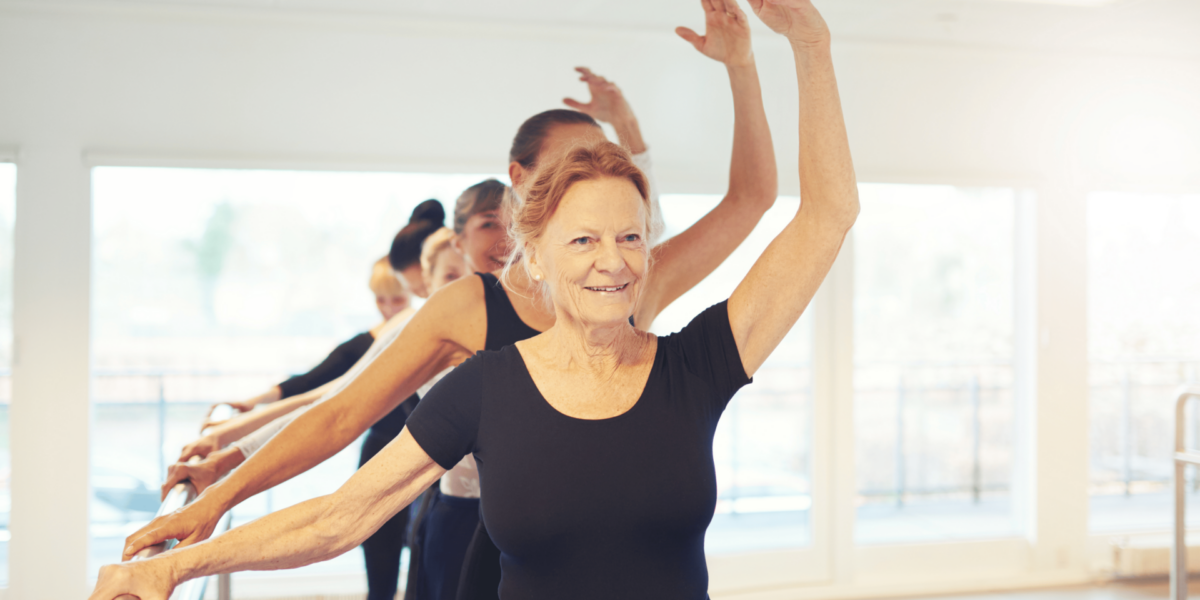
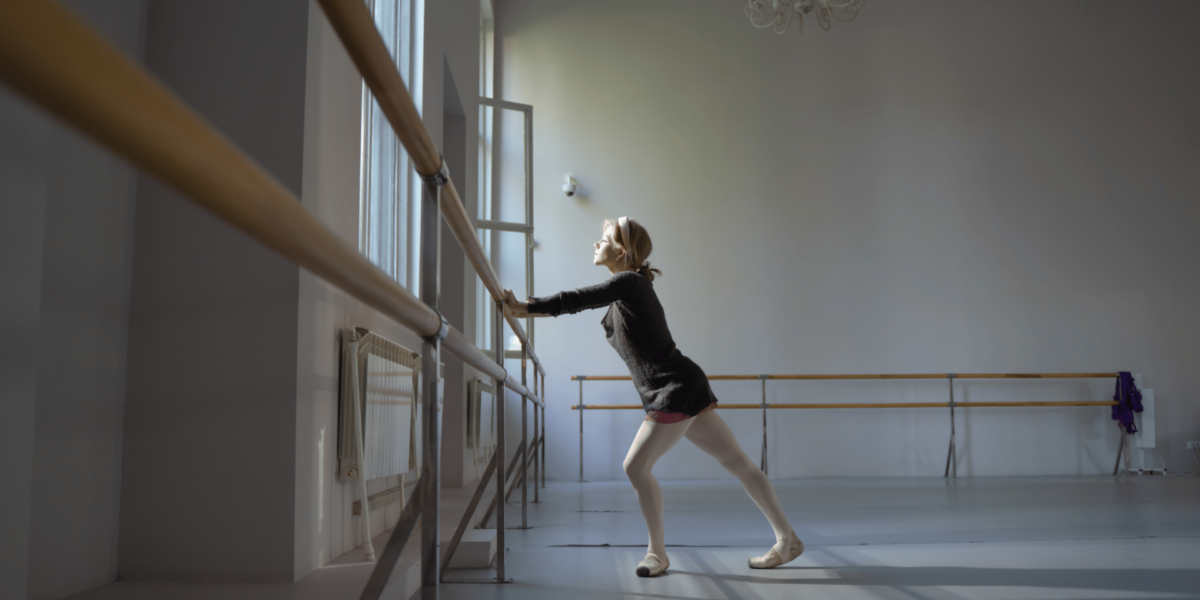
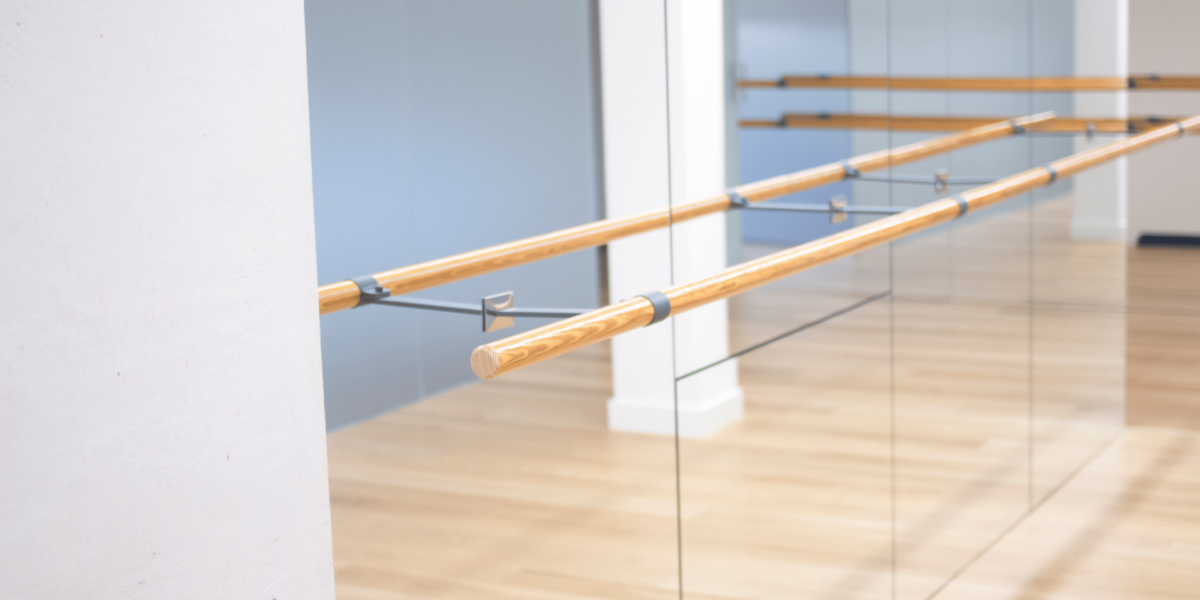
In a quiet studio, an adult steps up to the barre, focused on alignment and breath. Their movement reflects years of experience carried in the body—from jobs, parenting, or injuries. Unlike young dancers, adult students prioritize longevity, mobility, and mindfulness.

Understanding the Mature Body’s Needs

The adult body has unique needs that differ from a younger dancer’s frame. Joints may feel stiffer, muscle mass may shift, and recovery times often lengthen. Training must adapt to these realities.

Smart ballet programs for adults emphasize safe technique over extreme flexibility. Instructors cue alignment to protect the knees, hips, and back. Rather than force turnout, adults work within their natural range, gradually increasing strength and control.

Building Strength Through Ballet

Ballet is a full-body workout that challenges strength, balance, and coordination. For adults, this physical demand becomes a valuable form of cross-training. Each movement requires core engagement, leg strength, and upper body control.

Consider a 45-year-old office worker who starts taking ballet twice a week. Over several months, their posture improves, their back pain lessens, and their confidence grows. Instead of pushing for perfection, they focus on form and breath. This steady practice creates long-term change.

Developing Mobility and Balance

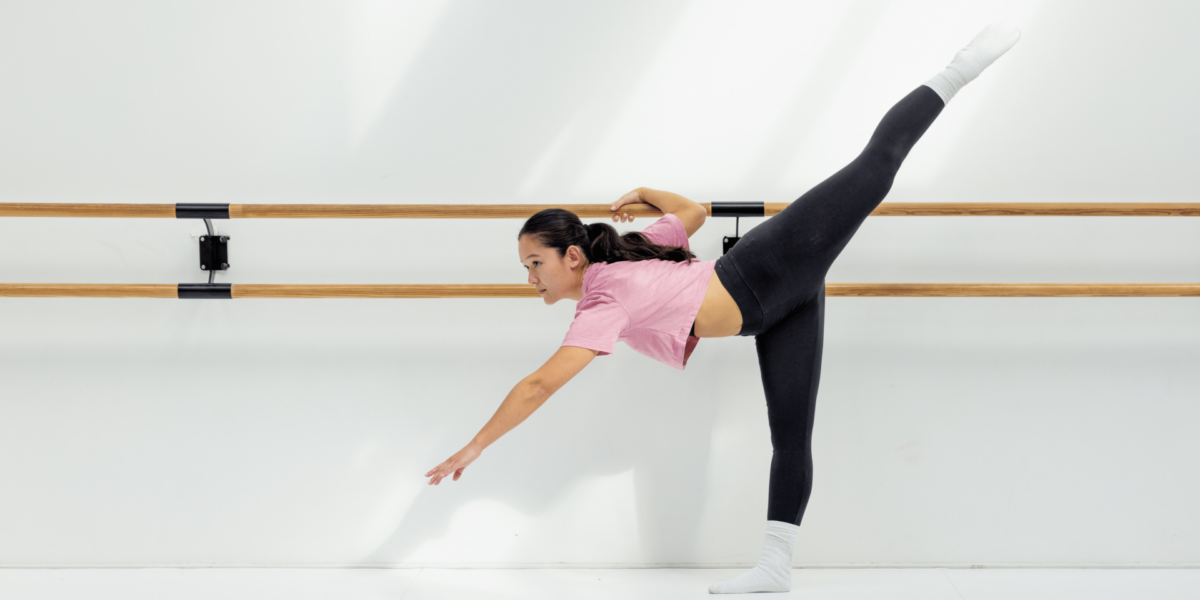
As we age, balance becomes more important. Ballet trains the nervous system and stabilizing muscles to respond quickly and safely. Movements like relevé and arabesque challenge the feet, ankles, and hips to coordinate and hold weight.

Adults often find ballet improves how they walk, climb stairs, or stand for long periods. These real-life benefits build motivation. With every plié and tendu, the grown body gains trust in its ability to move well.

Prioritizing Injury Prevention

Adult ballet students must pay close attention to injury prevention. Warming up thoroughly, listening to pain cues, and allowing recovery time all matter more with age. Classes designed for adults often begin with gentle floor work and progress slowly.

Instructors help students adjust movement to suit individual limitations. Instead of forcing high extensions, adults may work at hip height while focusing on muscle engagement and control. This keeps the training effective and sustainable.

Using Mindfulness to Deepen the Practice

Many adults appreciate ballet for its meditative quality. The focus on breath, movement, and music creates a space away from daily stress. Each class becomes a mental reset.

A student who juggles caregiving and work responsibilities might find clarity in the repetition of port de bras and plié sequences. Ballet’s structured format encourages presence and awareness, offering both physical and mental rewards.

Adjusting Expectations for Progress

Progress in adult ballet looks different from traditional training paths. Rather than aiming for competitions or performances, adults often set personal goals: mastering a pirouette, holding balance longer, or remembering a full combination.

Celebrating small wins keeps motivation high. Instructors play a key role by offering clear corrections and realistic encouragement. This respectful approach acknowledges the body’s limits while honoring its growth.

Creating a Supportive Ballet Community

Adult ballet classes thrive when they foster community. Training alongside peers with shared life experience builds connection and accountability. Many dancers return each week not just for the workout, but for the friendships and encouragement.

Studios that welcome adult learners with diverse backgrounds create inclusive spaces. No one needs to “look the part” to benefit from ballet. What matters is showing up and engaging with the movement.

Ballet for the Grown Body

Ballet training for the adult body centers on quality of movement, mindful progress, and self-respect. With proper guidance and realistic expectations, grown dancers can build strength, mobility, and joy through consistent practice.

By returning to the barre with curiosity and patience, adults experience ballet not as a race to perform, but as a lifelong tool for wellness and expression. The art of movement becomes a personal journey, grounded in awareness and guided by discipline.

Grace in Progress: How Ballet Builds Confidence at Any Age

Ballet Training Supports Confidence Through Structure

Ballet classes follow a predictable sequence that helps dancers feel grounded. Each session begins with barre work, followed by center practice and choreography. This routine builds familiarity, allowing dancers to focus on refining their technique. In a weekly class, participants gain confidence by knowing what to expect and seeing gradual improvement.

Mastering Technique Boosts Self-Awareness

Ballet teaches precise movement, posture, and alignment. As dancers learn to control their bodies, they become more aware of how they carry themselves in and out of class. In realistic practice, someone who focuses on balance and form develops a stronger sense of physical presence and personal discipline.

Repetition Builds Trust in the Learning Process

Progress in ballet comes from consistent practice. Each step, turn, or pose is repeated until it becomes second nature. Over time, students see how small improvements add up. In a typical class, someone might revisit the same movement over several weeks and notice increased control and clarity, which reinforces their belief in their ability to grow.

Performing Builds Courage and Focus

Sharing movement with others—whether in class or on stage—requires composure. Dancers practice presenting their work with poise, even when unsure. In a group setting, performing in front of peers helps someone manage nervousness, sharpen their focus, and stay present. These experiences build internal confidence that carries over into other aspects of life.

Feedback Encourages Growth Without Comparison

Instructors offer clear, direct feedback that focuses on alignment, timing, and execution. This guidance helps dancers improve without pressure to compete. In a class setting, someone learning at their own pace may feel empowered by personal milestones rather than comparing themselves to others. Positive correction becomes a tool for growth.

Physical Strength Supports Emotional Stability

Ballet improves strength, endurance, and flexibility. As the body becomes stronger, dancers often feel more capable in daily movement. In a regular routine, someone who notices increased stamina or improved balance may also experience a lift in confidence, knowing their body supports their goals.

Goal Setting Helps Dancers Stay Motivated

Ballet naturally includes short- and long-term goals. Dancers aim to master combinations, memorize choreography, and refine posture. Setting realistic objectives provides direction and motivation. In weekly training, checking off progress points gives dancers a clear sense of achievement and a reason to continue showing up.

Ballet Class Creates a Supportive Community

Shared learning environments offer connection and encouragement. Fellow dancers understand the challenges and celebrate progress together. In a studio setting, someone who returns each week builds familiarity and finds motivation from peers who value effort, discipline, and mutual respect.

Adaptability Builds Confidence at Any Age

Ballet meets dancers where they are physically and mentally. Classes designed for adults offer modifications and pacing that support individual progress. Whether returning to dance or trying it for the first time, participants gain confidence as they discover what their bodies can achieve at their own pace.

Progress in Ballet Reflects Personal Commitment

Confidence grows when dancers recognize their role in their own improvement. Showing up, practicing regularly, and staying patient reinforces self-trust. In everyday life, these habits transfer to other goals. A dancer who consistently works through difficult combinations builds not just skill, but self-belief.

Ballet Strengthens the Connection Between Body and Mind

Each movement in ballet demands attention and intention. As dancers align their physical actions with musical cues and technique, they develop stronger mental focus. In weekly class sessions, this integration of body and mind supports lasting confidence rooted in presence and purpose.

Confidence Through Ballet Grows With Every Class

Ballet is not about instant perfection but steady development. With each class, dancers build confidence by moving with greater control, awareness, and expression. Over time, these gains create a foundation of trust in the self—on the dance floor and beyond.

Returning to the Barre: Rediscovering Ballet as an Adult

Adult Ballet Encourages Purposeful Movement

Ballet requires focus, balance, and control, which makes it an ideal practice for adults seeking structured movement. Unlike casual workouts, ballet trains the body with discipline and precision. In a typical class, an adult learner moves through sequences that improve posture, coordination, and body awareness.

Ballet Offers a New Approach to Fitness

Adult ballet classes combine strength, flexibility, and endurance into a single routine. The emphasis on alignment and muscle control challenges the body differently than traditional fitness programs. In weekly sessions, participants feel the difference in how they stand, walk, and carry themselves in everyday life.

Rediscovering Ballet Rekindles Creative Expression

Dance provides a space to express emotion through movement. For adults returning to ballet, choreography becomes a form of storytelling. In the studio, a person may reconnect with their creative side, using each combination to express rhythm and feeling with clarity and purpose.

Ballet Classes Support Mental Clarity and Focus

Learning combinations and refining technique requires concentration. Ballet helps adults stay mentally present, reducing distractions and sharpening focus. In a realistic class setting, following the structure of barre and center work provides a mental break from daily stress, while reinforcing cognitive engagement.

Proper Technique Enhances Physical Awareness

Ballet teaches precise control over each part of the body. Adults develop a better understanding of alignment, joint movement, and muscle activation. During consistent practice, participants gain the ability to self-correct and adjust based on how their body responds, which supports safe and efficient movement.

Community Builds Confidence in the Studio

Adult ballet classes often create supportive environments where participants can grow without judgment. Peers encourage each other through shared experience and effort. In regular attendance, an adult dancer finds motivation and accountability by connecting with others working toward similar goals.

Structure and Routine Improve Personal Discipline

Each ballet class follows a consistent format, which helps adults build routine and time management skills. Barre exercises, center combinations, and cooldowns offer a reliable rhythm. In everyday life, committing to a weekly class supports consistency and helps reinforce personal goals outside the studio.

Returning to Ballet Strengthens Emotional Resilience

Stepping into the studio after time away requires vulnerability and openness. Adult dancers often confront frustration, self-doubt, or physical limitations. By facing these challenges regularly, they develop patience and persistence. These traits carry over into daily responsibilities and decision-making.

Progress in Ballet Happens With Repetition and Patience

In adult ballet, improvement is gradual. Repetition helps the body build memory, and steady practice deepens understanding. During a season of training, a student may notice stronger balance, smoother transitions, and increased flexibility—not from shortcuts, but from steady effort.

Ballet Offers a Personal Journey, Not a Comparison

Adult dancers return to the barre for different reasons: fitness, creativity, focus, or joy. The experience becomes more meaningful when the goal is progress rather than perfection. In a typical class, students focus on their own alignment, timing, and growth without needing to match anyone else’s path.

Rediscovering Ballet Brings Lifelong Benefits

Ballet offers a sustainable way to maintain physical and mental health. The practice improves coordination, posture, emotional awareness, and confidence. In daily life, these benefits extend beyond the studio, supporting everything from walking posture to stress relief. Returning to ballet as an adult becomes not just a hobby, but a commitment to long-term well-being.

How Adult Ballet Classes Foster Confidence and Creativity

Building Confidence Through Skill Development

Adult ballet classes foster confidence by focusing on steady skill progression. Each new step learned and mastered provides a sense of achievement that boosts self-esteem. A student practicing basic combinations and later advancing to more complex choreography experiences measurable growth, reinforcing belief in their ability to learn, adapt, and succeed both inside and outside the studio.

Overcoming Fear of Failure in a Supportive Environment

Ballet classes for adults create a structured yet supportive setting where mistakes are viewed as part of the learning process. Teachers encourage students to correct form and timing without judgment. An adult who hesitates at first gains assurance over time as they realize improvement comes from persistence, not perfection, helping to eliminate fear of making mistakes in future challenges.

Setting and Achieving Personal Goals

Adult ballet classes encourage participants to set personal goals, whether mastering a new position or improving flexibility. Reaching these milestones builds a habit of success. A dancer working steadily toward achieving a clean pirouette or a smooth arabesque finds that setting goals—and reaching them—transfers to building discipline and ambition in other areas of life.

Enhancing Creative Expression Through Movement

Ballet offers adults a powerful way to express creativity without relying on words. Choreography blends music, emotion, and movement, allowing dancers to tell a story through their bodies. A student interpreting a musical phrase through dance experiences the freedom to explore different emotional tones, sparking creativity that continues into personal and professional projects.

Connecting Physical Movement to Emotional Release

Dance bridges the physical and emotional aspects of human experience. In adult ballet, movement often reflects deeper emotional themes, allowing students to explore and release feelings safely. A participant channeling frustration or joy through a series of controlled movements leaves class feeling lighter, as ballet provides an outlet for emotions that might otherwise remain unspoken.

Encouraging Risk-Taking in a Structured Setting

Ballet requires dancers to step outside their comfort zones, whether by attempting a new combination or performing in front of classmates. The structure of ballet class, with its consistent routines and teacher guidance, makes taking these risks feel safe. An adult willing to try new challenges in dance builds courage to embrace risks in other areas of life, strengthening resilience and adaptability.

Strengthening Mind-Body Connection for Greater Awareness

Adult ballet classes emphasize the mind-body connection through detailed attention to posture, coordination, and breath control. This heightened awareness deepens a dancer’s ability to listen to internal cues, leading to greater self-trust and intuitive decision-making. A person who becomes attuned to their body’s needs and responses develops stronger instincts that benefit daily interactions and choices.

Building Community and Positive Social Connections

Adult ballet fosters a sense of community that strengthens confidence through positive social interaction. Classmates support and encourage one another, creating a space where shared experiences form strong bonds. A dancer who feels seen and valued by peers gains confidence in their abilities and enjoys a greater sense of belonging, which boosts motivation and emotional well-being.

Realistic Scenario: Experiencing Confidence and Creativity Growth

Imagine an adult who feels stuck in a routine work schedule, craving a way to challenge themselves and reconnect with creativity. They join a beginner ballet class and struggle at first with the basics. Over weeks of dedicated practice, they master foundational techniques, learn to express themselves through choreography, and feel more comfortable taking risks. Outside of class, they approach work presentations with more confidence and explore creative hobbies they had long abandoned, all sparked by their ballet experience.

Unlocking New Potential Through Ballet

Adult ballet classes offer more than physical benefits; they nurture confidence, inspire creativity, and build emotional resilience. Through structured skill development, creative exploration, and positive community support, adults find new ways to believe in themselves and express their individuality. Ballet becomes a journey of personal growth, empowering students to move through life with greater strength, courage, and creative spirit.

Building Strength and Grace with Every Ballet Class

Ballet Training Develops Total Body Strength

Every ballet class targets full-body strength by engaging muscles from head to toe. Movements at the barre and in the center require stability from the core, legs, back, and arms. A dancer working through exercises like pliés and relevés steadily builds strength that supports posture, endurance, and controlled motion throughout daily activities.

Core Engagement Forms the Foundation of Control

Core strength is central to achieving balance and precision in ballet. Classes emphasize pulling the abdominal muscles inward and lifting through the spine, training the body to support itself efficiently. A student applying core engagement during each movement experiences greater stability, allowing for smoother transitions and reducing the risk of strain or imbalance.

Leg Power Improves Through Repeated Exercises

Ballet movements like tendus, jetés, and grand battements strengthen the quadriceps, calves, hamstrings, and glutes. Regular practice builds the explosive strength needed for jumps and the endurance required for long routines. An adult attending weekly ballet sessions notices increased leg power that enhances both athletic performance and everyday mobility.

Arm and Back Strength Support Upper Body Elegance

In ballet, the arms are never static; they move purposefully to frame the body and maintain balance. Lifting, extending, and sustaining arm positions develops strength in the shoulders, upper back, and chest. A dancer mastering port de bras experiences how coordinated arm movement contributes to a more graceful, poised appearance without unnecessary tension.

Flexibility Enhances Both Strength and Line

Strength and flexibility work together in ballet to create extended, fluid lines. Stretching during warm-ups and cool-downs allows muscles to lengthen safely while maintaining their power. Over time, a dancer feels their body moving more freely, achieving high extensions and deep pliés without sacrificing stability or control.

Balance Exercises Refine Stability and Poise

Ballet classes incorporate balance work that sharpens body awareness and control. Poses such as arabesques, retirés, and attitudes require stillness and strength through the supporting leg and core. A student practicing balance consistently develops poise that extends beyond dance, improving posture and fluid movement in everyday tasks.

Coordination Builds Seamless Movement

Coordination between arms, legs, and torso is vital to executing ballet combinations gracefully. Ballet training demands split-second timing and the ability to connect steps without hesitation. A dancer mastering complex sequences in class sharpens their ability to move with intention, ensuring every action appears effortless and unified.

Mind-Body Connection Deepens Physical Awareness

Ballet strengthens the mind-body connection by encouraging dancers to remain fully present during movement. Concentrating on body alignment, muscle engagement, and breathing patterns improves control over physical actions. Adults investing in regular ballet practice notice enhanced physical awareness, leading to better balance, agility, and graceful composure during daily activities.

Realistic Scenario: Seeing Transformation Through Ballet

Imagine an adult who decides to join a beginner ballet class to improve fitness and coordination. During the first classes, movements feel unfamiliar and balance seems shaky. After several months of consistent practice, they observe real changes: stronger legs, steadier posture, more flexible joints, and a natural grace in everyday movement. Their body feels lighter, more aligned, and more capable—an evolution made possible by the continuous discipline of ballet training.

How Ballet Strengthens the Body and Elevates Movement

Ballet offers a powerful combination of strength-building, flexibility, coordination, and grace. Each class systematically challenges and develops key muscle groups while nurturing physical awareness and elegance. Adults who commit to ballet training not only transform their bodies but also carry the benefits of strength, poise, and confidence into every area of life. Through dedicated practice, they rediscover their natural power to move beautifully and purposefully.

How Ballet Training Transforms the Adult Body and Mind

Building Physical Strength Through Ballet

Ballet training develops physical strength by engaging muscles throughout the body in controlled, deliberate movements. Core muscles, legs, arms, and back work together to create balance and support. An adult attending regular ballet classes notices how exercises like pliés, tendus, and arabesques steadily build endurance and tone, resulting in improved posture and greater stability in everyday life.

Improving Flexibility and Range of Motion

Flexibility is essential for performing ballet movements safely and effectively. Through consistent stretching and proper technique, ballet training enhances the joints’ and muscles’ ability to move smoothly through a wider range of motion. An adult practicing ballet experiences fewer restrictions in daily activities, finding it easier to reach, bend, and maintain an active lifestyle without discomfort or tightness.

Enhancing Balance and Coordination

Balance and coordination are fundamental skills strengthened by ballet. Exercises that require weight shifts, quick direction changes, and precise footwork help the brain and body communicate more efficiently. A student focused on maintaining control during a simple turn or a sustained balance sees improvements not only in dance but also in walking, climbing stairs, and reacting quickly to sudden changes in movement.

Developing Mental Discipline and Focus

Ballet demands mental concentration to remember sequences, refine technique, and connect movement with music. Adults engaging in ballet training sharpen their memory and cognitive flexibility by learning new choreography and responding to corrections. This heightened awareness carries over into professional and personal life, supporting better problem-solving skills, clearer thinking, and greater resilience under pressure.

Cultivating Emotional Expression and Confidence

Ballet encourages emotional expression through movement, allowing adults to communicate feelings without words. The connection between music, emotion, and motion nurtures self-awareness and creative release. A dancer gaining comfort with expressing themselves through choreography finds an increase in self-confidence, both in the studio and in other aspects of daily interaction.

Reducing Stress and Promoting Relaxation

Physical activity, especially when combined with artistic expression, is a proven way to reduce stress. Ballet classes provide a structured space for adults to focus solely on movement, breathing, and musicality, offering a mental break from daily pressures. After a class, many feel more centered, energized, and better equipped to manage the emotional demands of work and home life.

Strengthening Endurance for Daily Life

Ballet training improves cardiovascular endurance through repeated practice of demanding movements and sustained poses. Adults who commit to regular ballet sessions build stamina that translates into more energy during daily activities. A busy individual balancing work, errands, and family responsibilities benefits from increased vitality and less fatigue throughout the day.

Correcting Posture and Body Alignment

Good posture and alignment are core principles in ballet technique. Training teaches adults how to engage the right muscles to support the spine and align the body properly. These skills reduce the risk of back pain, neck tension, and joint strain. Someone who previously slouched or struggled with standing for long periods finds that ballet practice encourages natural, healthy posture without conscious effort.

Realistic Scenario: Experiencing Transformation Through Ballet

Imagine an adult enrolling in a beginner ballet class after years of sedentary work. At first, movements feel challenging, and muscles tire quickly. Over weeks of consistent practice, they notice greater ease in lifting groceries, better posture at their desk, and fewer aches at the end of the day. Mentally, they become more focused and less overwhelmed by daily stress. The simple act of attending ballet classes brings measurable improvements to their physical health and emotional resilience.

Ballet as a Life-Enhancing Practice for Adults

Ballet training transforms the adult body and mind by strengthening muscles, improving flexibility, refining balance, and enhancing mental focus. It offers a unique combination of physical discipline and artistic expression that supports emotional well-being and personal growth. Adults who commit to ballet not only move with greater grace but also navigate life with more confidence, resilience, and joy.

Beyond the Barre: How Adult Ballet Builds Confidence and Focus

Many adults believe ballet is only for children or professionals, but stepping into a studio later in life offers benefits that go far beyond physical fitness. Adult ballet reshapes how you see yourself by challenging your body and mind in a structured, intentional way.

Each class demands concentration, coordination, and persistence. Unlike casual fitness classes, ballet requires active engagement with every movement, which keeps the mind focused and eliminates distractions. As adults navigate busy lives and shifting responsibilities, this mental clarity becomes a rare and valuable experience.

Ballet Training Instills Discipline and Mental Focus

Adult ballet classes follow a consistent structure that encourages discipline. From the opening pliés at the barre to the final reverence, dancers must follow precise instructions, maintain posture, and time each step with the music.

This routine sharpens focus. Dancers stay present to remember choreography, align their bodies correctly, and apply feedback. Over time, this habit of deep attention carries over into daily life. Adults report feeling more organized and alert after committing to regular ballet training.

Building Confidence Through Incremental Progress

Confidence grows when you accomplish something that once felt out of reach. In ballet, small wins matter. You might struggle with balance or turnout at first, but consistent practice leads to noticeable improvements.

Unlike environments that emphasize perfection, adult ballet classes often create a supportive space where progress is the goal. As you master new movements, you begin to trust your body and judgment. This self-trust enhances your confidence inside and outside the studio.

Ballet Encourages Mind-Body Awareness

Ballet demands awareness of how your body moves through space. Every step, from tendus to arabesques, requires control, alignment, and intention. This awareness trains you to listen to your body without judgment.

As adults, we often ignore physical discomfort or disconnect from how we feel. Ballet reintroduces that connection, helping you notice how posture affects your energy or how breath influences movement. This renewed awareness can reduce stress and improve overall well-being.

Overcoming Challenges in a Positive Environment

Adult ballet students face both mental and physical challenges, but the environment plays a key role in how they handle them. Most adult classes prioritize encouragement over criticism. Instructors provide constructive feedback designed to guide, not shame.

This atmosphere helps adults take risks, make mistakes, and keep trying. Facing challenges in ballet mirrors real-world situations where resilience and persistence matter. You learn to adapt, recover from setbacks, and continue forward—skills that translate well to work and personal life.

Consistent Practice Builds Emotional Resilience

Progress in ballet doesn’t happen overnight. Mastering even a basic combination takes repetition and patience. Adults who stick with ballet learn how to handle frustration and stay motivated over the long term.

This persistence builds emotional resilience. You begin to approach problems with a mindset focused on growth instead of immediate results. As you practice pirouettes or refine your port de bras, you develop inner strength that supports emotional balance.

A Community That Supports Growth

Adult ballet classes often attract students from all walks of life who share a commitment to personal growth. This creates a unique sense of community rooted in shared effort and mutual respect.

When you train alongside others with similar goals, you feel supported and understood. That connection helps you stay accountable and engaged. It also reduces the isolation many adults experience, especially when starting something new later in life.

Ballet as a Lifelong Tool for Confidence and Clarity

Adult ballet offers more than graceful movements and improved posture. It becomes a tool for mental clarity, self-confidence, and personal discipline. Whether you aim to dance on stage or simply want to move with more purpose, ballet delivers lasting benefits that reach far beyond the studio.

If you’re looking for a structured way to boost focus and feel stronger in your daily life, consider stepping beyond the barre. Ballet might be the mindful practice you didn’t know you needed.

Finding Grace Again: Why Ballet Speaks to Adults in Every Stage of Life

Many adults find themselves searching for new ways to stay active and feel present in their bodies. Ballet provides a structured, expressive form of movement that supports both physical and mental well-being. Unlike fitness routines focused only on results, ballet encourages rhythm, alignment, and attention to detail.

An adult entering a ballet class for the first time may feel uncertain. However, as the body adapts to each position and step, confidence grows. This process strengthens muscles, improves posture, and promotes lasting focus.

Dance Supports Cognitive Health Across Ages

As people age, maintaining brain function becomes a priority. Ballet challenges memory, coordination, and concentration through sequences that require continuous engagement. Each combination practiced in class helps form stronger neural connections and improves mental clarity.

In a realistic scenario, an adult learner follows a barre routine while keeping time with music. This requires attention, pattern recognition, and spatial awareness—all of which activate different areas of the brain. Over time, these exercises contribute to mental agility and sustained focus in daily life.

Ballet Builds Strength Without High Impact

For many adults, joint health becomes more important with age. Ballet offers low-impact movement that builds strength and balance without putting excessive pressure on knees or hips. Movements emphasize core control and full-body alignment, making ballet ideal for long-term practice.

In a beginner-level class, a student may move slowly through pliés and tendus. These controlled exercises develop stability and muscle tone. With repetition, movements feel more natural and support better control both inside and outside the studio.

Adult Ballet Encourages Emotional Expression

Ballet is more than physical movement—it’s a form of emotional release. Music, movement, and focus allow adults to step away from stress and connect with their inner world. This connection becomes especially important during major life transitions or periods of uncertainty.

For instance, an adult navigating career or relationship changes may find clarity during a class. The structure of the movements provides a safe space to process emotions through the body. This emotional outlet supports resilience and personal insight over time.

Each Stage of Life Brings Unique Strengths to Ballet

Unlike childhood ballet, adult ballet is not about future performance goals. Adults bring life experience, discipline, and self-awareness to their practice. These qualities help them approach movement with patience and intention, leading to personal growth that goes beyond physical progress.

An older learner may focus more on alignment and breath, while a younger adult may enjoy the athletic challenge. Each age group benefits from ballet in ways that reflect their current needs and perspectives. The shared experience of class brings together people from different backgrounds, united by a common interest.

The Studio Environment Supports Personal Renewal

Walking into a ballet studio provides a clear sense of structure and purpose. Mirrors, music, and repetition create a setting where adults can step away from daily pressures. This space allows for a temporary pause from multitasking and digital distractions.

In a typical session, students move in unison while following the teacher’s cues. This rhythm encourages mindfulness, helping adults stay in the moment. The studio becomes a place of reset—a space where identity is shaped through movement, not external demands.

Adult Ballet Fosters a Supportive Learning Culture

In adult ballet classes, students are not expected to perform at a professional level. Instead, the emphasis is on progress, consistency, and personal growth. Teachers understand that each adult comes with unique physical conditions and goals, and instruction is often tailored accordingly.

New students may work slowly through movements, with instructors offering feedback that respects personal pace. This inclusive approach builds confidence and helps learners stay committed without fear of judgment. The community that forms in adult classes also creates support through shared experience.

Ballet Teaches Discipline That Carries into Daily Life

Ballet classes follow a structured format: warm-up at the barre, center work, and across-the-floor movement. This structure reinforces discipline and encourages adults to focus on small improvements over time. Learning how to break down complex movements into steps supports clearer thinking in other areas of life.

For example, someone managing a busy schedule may find ballet useful in organizing their day. The focus required in class helps train the mind to tackle tasks methodically. Ballet’s attention to form and repetition teaches patience and persistence—skills that benefit professional and personal life alike.

Music and Movement Create a Lasting Connection

Music is central to ballet. The rhythm and melody guide each movement, adding emotional depth to the physical experience. Adults who may not have engaged with music or dance in years find new appreciation through ballet’s musicality.

As a student learns to move in time with the piano or recorded score, they develop a stronger connection between movement and emotion. This connection can create a sense of joy and purpose that lasts beyond class. The act of moving to music becomes a form of expression that continues to inspire long after the session ends.

Long-Term Practice Supports Physical and Emotional Resilience

Adults who stay with ballet over time experience steady improvement in strength, coordination, and emotional resilience. While progress may feel slow at first, the cumulative effects are meaningful. Regular practice supports better posture, joint mobility, and confidence.

In a long-term view, ballet becomes more than a hobby. It offers structure, connection, and a source of personal pride. No matter the starting point, the journey through ballet gives adults a way to feel strong, centered, and engaged in their own growth.

Why Ballet Isn’t Just for the Young—It’s for the Brave

Ballet has long been seen as a pursuit for the young—graceful children in tutus or teens preparing for the stage. But more adults are stepping into the studio and finding that ballet has far more to offer than a performance. It challenges the mind, strengthens the body, and demands emotional honesty. For those who begin later in life, ballet becomes not just a physical practice, but a bold act of self-discovery.

Starting Ballet as an Adult Takes Courage

Choosing to begin ballet later in life means confronting fear and self-doubt. Walking into a ballet class as an adult requires bravery. The room is filled with mirrors and structure. Movements are precise, and expectations are clear. Unlike younger dancers, adults bring years of habits and insecurities with them. They may fear looking out of place or not progressing fast enough. Starting anyway—despite those fears—marks the first step in building real resilience. Ballet demands presence, and adults who show up embrace vulnerability in order to grow.

Ballet Challenges Mental and Physical Patterns

Ballet requires breaking old movement habits and learning new ones. Adults often carry patterns developed over decades—posture shaped by desk jobs, movement affected by past injuries, or mental scripts that say, “I can’t.” Ballet gently interrupts those habits. It teaches new forms of movement, attention, and alignment. Every class asks for mental focus and physical commitment. Relearning how to move isn’t easy, but it creates space for transformation. That challenge builds both discipline and confidence.

Emotional Growth Comes From Showing Up

Ballet reveals emotions that daily life often hides. During class, it’s common to feel frustration, joy, or release. Ballet pushes dancers into unfamiliar territory. When the body doesn’t respond the way you want, or when improvement feels slow, emotional reactions surface. Learning to breathe through that discomfort—without quitting—teaches emotional regulation. Each class becomes more than a workout; it’s a practice in staying present, facing challenge, and moving forward with grace.

Strength Over Speed Defines Progress

Adult dancers focus on long-term growth instead of immediate results. In youth, progress is often fast. Flexibility, balance, and stamina develop quickly. For adults, progress takes a different path. Gains may come slowly, but they are built on purpose and awareness. Instead of chasing speed or extreme flexibility, adult ballet focuses on control, clarity, and strength. This approach creates durable progress that supports long-term well-being, both inside and outside the studio.

Ballet Teaches Adults to Trust Their Bodies

Learning ballet helps rebuild body awareness and self-trust. Many adults enter ballet feeling disconnected from their bodies. Years of ignoring signals—whether from stress or injury—can create distance. Ballet closes that gap. Through consistent movement and mindful correction, adults begin to understand how their body works and what it needs. With time, they rebuild trust in their physical ability. This trust strengthens not just the body, but also the confidence to try new things and take up space.

The Studio Becomes a Place for Personal Power

Ballet gives adults a setting to focus on themselves without outside pressure. In a world full of distractions, responsibilities, and constant demands, the ballet studio offers a break from the noise. It becomes a place to move without judgment, to focus without interruption, and to return to a sense of self. For adults who often give their time to others, ballet becomes a dedicated space to invest in personal growth. That shift in focus restores balance and builds internal strength.

Repetition Builds Resilience and Patience

Ballet demands consistency—and that consistency pays off in more than technique. Each class begins with the same foundational movements. These repeated exercises refine alignment and strengthen muscle memory. But repetition also teaches patience. You don’t get results after one class. You earn them over time. That process shows dancers how to stay committed even when results aren’t immediate. The lesson extends beyond ballet: consistency, not perfection, drives growth in every part of life.

Community Forms Through Shared Effort

Adult ballet creates bonds built on mutual respect and shared challenge. Unlike performance-driven environments, adult ballet often focuses on growth rather than competition. Classmates support each other, celebrate progress, and understand the courage it takes to show up. These shared experiences build a quiet sense of community. Dancers may come from different backgrounds, but they meet at the barre with similar goals—to move, to grow, and to connect with themselves through dance.

Adult Dancers Redefine Success

Success in ballet after youth looks different—and more meaningful. For adult learners, success isn’t measured by performances or promotions. It’s found in holding a balance longer, mastering a new combination, or standing a little taller with each class. These achievements may seem small, but they reflect dedication and progress. Adult dancers learn to celebrate effort instead of perfection. That shift in mindset transforms how they view challenges in the studio—and in life.

Ballet Rewards the Brave

Ballet isn’t reserved for the young—it’s for anyone bold enough to begin. Choosing to start ballet as an adult means saying yes to discomfort, growth, and personal challenge. It requires mental strength, physical effort, and emotional openness. But the reward is a deeper connection to self, a stronger body, and a mindset built on perseverance. Ballet teaches that bravery isn’t loud—it’s steady, quiet, and shows up class after class. For adults who choose this path, ballet becomes a reflection of their strength, not their age.