Rediscovering Grace: Why Ballet Belongs at Any Age

Ballet Supports Physical Wellness Beyond Childhood

Ballet is often associated with youth, but its benefits extend far beyond early training. Adults of all ages can improve balance, posture, and flexibility through regular ballet practice. The movements target deep muscle groups and support long-term joint health.

A person returning to ballet after decades may begin with gentle barre work. These exercises engage muscles in the legs, back, and core, helping to restore alignment and stability. Over time, strength builds steadily without the strain of high-impact workouts.

Adult Dancers Build Confidence Through Movement

Starting or returning to ballet as an adult builds a unique kind of confidence. Unlike performance-based training, adult ballet classes emphasize personal growth. Each session becomes an opportunity to reconnect with the body and express movement with intention.

An adult learner might enter the studio feeling unsure. But after repeating combinations, listening to musical cues, and mastering small technical details, they begin to feel more grounded. Confidence rises not from external praise, but from internal progress.

Ballet Enhances Mental Focus and Mindfulness

The structure of a ballet class requires concentration. Remembering sequences, following counts, and adjusting posture all engage the brain. This mental focus shifts attention away from daily stress and into the present moment.

A professional with a demanding schedule might step into class carrying the weight of the day. But within minutes, their attention turns to the music and the movement. This mental reset improves clarity and encourages mindfulness beyond the studio.

Learning Ballet as an Adult Fosters Discipline and Patience

Adult ballet learners understand that progress takes time. Unlike childhood classes where growth may happen quickly, adults build skills gradually. This process teaches patience, discipline, and resilience—all qualities that benefit life outside of dance.

Someone practicing tendus each week may notice only small changes at first. But with consistency, they feel more stable, more fluid, and more aware of each movement. Ballet becomes a practice in persistence rather than perfection.

Ballet Classes Create Strong Community Bonds

Joining an adult ballet class offers connection in addition to exercise. Classes often foster supportive environments where individuals cheer one another on. This sense of community encourages regular attendance and deeper engagement.

A new student entering a beginner class may find others who share similar stories—returning dancers, first-timers, or those seeking movement for wellness. Through shared effort, friendships form that extend beyond the classroom walls.

Ballet Encourages Grace in Everyday Movement

The physical awareness gained through ballet carries into daily life. Walking, standing, and sitting become more intentional. Dancers move through their days with more control, reducing tension and improving how they feel in their own bodies.

After weeks of attending class, a person might notice they walk with greater ease, stand taller, and experience fewer aches. These changes aren’t dramatic but signal a quiet shift in how they relate to movement. Ballet’s impact becomes part of how they carry themselves every day.

Adult Ballet Training Can Be Adapted for All Bodies

Ballet training is not limited to a specific body type or age. Instructors can modify exercises to accommodate injuries, mobility concerns, or varying levels of fitness. This makes ballet an inclusive form of movement that meets people where they are.

An older adult dealing with joint stiffness might begin with seated exercises or support from a wall. Over time, as comfort improves, they progress to standing work. The key is customization—not competition. In this way, ballet becomes both safe and sustainable.

Music and Movement Support Emotional Expression

Ballet allows adults to express emotion through movement, which can feel freeing and therapeutic. The connection between music and physical flow encourages creativity and self-awareness. This form of expression is especially important for those who don’t often have space for reflection.

During a slow adagio at the center of class, an adult dancer might connect deeply with the music. Their body moves in sync with feeling, releasing tension and unlocking emotion that words may not express. Ballet becomes an outlet for emotional processing as much as physical training.

Returning to Ballet Invites Self-Rediscovery

For adults who danced in childhood or who admired ballet from afar, returning to the studio is often an act of reclaiming identity. Movement reignites memories, passions, and strengths that may have been set aside for years.

A parent, professional, or retiree might rediscover a part of themselves they thought was lost. Each plié and port de bras reconnects them to something essential—grace, strength, or creativity—that was waiting to return.

Ballet Belongs to Everyone Willing to Begin

Ballet isn’t reserved for a specific age or path. It belongs to anyone willing to step into class, learn, and grow. Adult learners bring life experience, dedication, and self-awareness that enrich the practice. The decision to begin—or return—is an act of courage and care.

Whether stepping into a studio for the first time or after a long break, the journey begins with one movement. That first class may feel unfamiliar, but it marks the start of something deeply rewarding. Ballet offers more than dance—it offers a path to grace, resilience, and renewal at any stage of life.
Why Adult Dancers Are Reclaiming the Studio on Their Terms

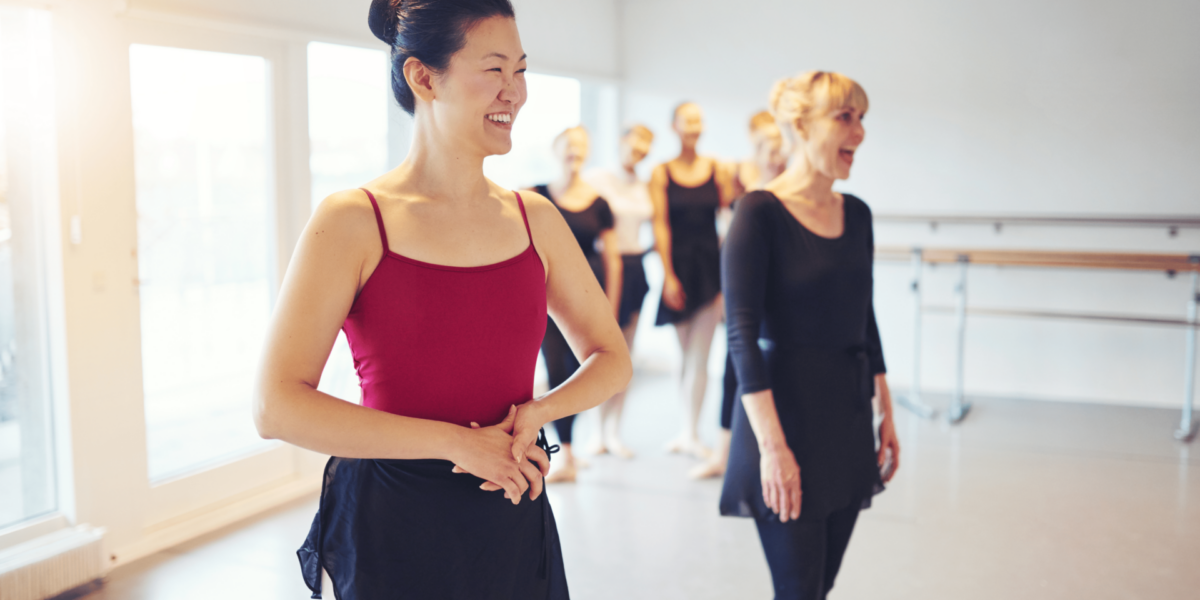
More adults are returning to dance studios across the country. But this time, they’re setting their own expectations. Instead of chasing perfection or performance, adult dancers are reclaiming the studio as a space for personal growth, self-expression, and well-being.

Adult Dancers Redefine What Progress Looks Like

In traditional dance environments, progress often means advancing through levels or performing on stage. Adult dancers shift the focus. For them, improvement means feeling stronger, more coordinated, and more confident in their movement.

Each class becomes an opportunity to work toward physical control, mental focus, and personal goals—not someone else’s timeline. Adult dancers track their growth by how their body feels and how they move through space, not by competition or critique.

Movement Becomes a Tool for Reconnection

Many adults return to the studio after long breaks from dance. They often arrive with busy schedules, physical changes, and different priorities than they had in childhood. In this new phase, movement becomes a way to reconnect—with the body, with music, and with a sense of self.

When adults dance regularly, they notice how their bodies respond to structure and repetition. Over time, movement restores a sense of rhythm and stability that supports focus and well-being outside the studio.

The Studio Shifts From Judgment to Support

For adult dancers, the studio is no longer a place of pressure. Instead, it becomes a setting that offers support, guidance, and freedom to explore. Teachers in adult-focused classes understand that students bring different needs and histories to the barre.

The environment reflects this. Instructors give detailed guidance without criticism. They focus on helping students feel present in their bodies and make adjustments based on individual ability. This shift allows adult dancers to feel safe, respected, and encouraged—no matter their level of experience.

Schedules and Class Choices Reflect Real Life

Adult dancers balance careers, families, and responsibilities. They choose classes that fit their lives—not the other way around. Studios that support this flexibility offer classes at accessible times and welcome drop-ins or varied attendance.

This flexibility makes it easier for dancers to stay consistent over time. A student who can’t attend every week still feels welcome. A dancer who moves cities or takes time off knows they can return without judgment. These conditions make long-term movement practice sustainable.

Emotional Benefits Guide the Experience

Adult dancers prioritize emotional benefits as much as physical ones. They return to class not just to move, but to feel grounded, expressive, and calm. Dance becomes a tool for processing emotions, managing stress, and building self-esteem.

Over time, the studio becomes more than a workout space. It offers structure and rhythm that helps adults manage their energy, focus their thoughts, and stay present. The emotional benefits of dance often outlast the physical activity itself, shaping how dancers approach their day-to-day lives.

Age and Experience No Longer Define Ability

In adult classes, dancers release the idea that age limits ability. Instead of competing with younger dancers or their past selves, they work with the bodies they have now. This mindset promotes self-respect and patience, helping students set realistic, supportive goals.

For example, a dancer returning after years away may find certain movements more challenging. But they also discover strength in new areas. They value their body’s response, adjust their approach, and celebrate progress as it happens—without comparing it to anyone else.

Creative Expression Gains New Importance

Adult dancers return to the studio to explore movement, not to perfect it. This creates space for creativity and experimentation. Improvisation, musicality, and style become key parts of the experience.

This shift allows dancers to feel ownership over how they move. They engage with choreography on their own terms, choosing how to express each phrase. Creative expression becomes a source of pride, not pressure. That freedom supports confidence and inspires dancers to keep coming back.

Community Shapes the Studio Culture

Adult dancers often build strong connections with peers in class. These shared experiences create a sense of community that supports long-term participation. Over time, dancers come to class for the movement—and for the people.

In a supportive studio culture, students encourage each other, celebrate progress, and show up without competition. The environment becomes one of shared learning. For many adults, this community becomes a valuable part of their routine and social life.

Dancers Take Control of Their Journey

Reclaiming the studio means making decisions based on what serves the dancer, not what meets outside expectations. Adults decide how often they take class, which styles they pursue, and what progress means to them.

This autonomy empowers dancers to keep showing up. They know they’re in control of their experience. Whether they dance once a week or every day, their time in the studio feels meaningful. That choice creates a lasting connection between the dancer and their practice.

The Studio Belongs to the Adult Dancer, Too

The modern dance studio is evolving, and adult dancers are leading that change. By prioritizing joy, purpose, and self-awareness, they reshape the space into something more personal and sustainable. It’s not about being the best in the room—it’s about being fully present in the body you have. That shift unlocks new confidence and keeps dancers coming back—on their terms.

Why Ballet Isn’t Just for the Young—It’s for the Brave

Ballet has long been seen as a pursuit for the young—graceful children in tutus or teens preparing for the stage. But more adults are stepping into the studio and finding that ballet has far more to offer than a performance. It challenges the mind, strengthens the body, and demands emotional honesty. For those who begin later in life, ballet becomes not just a physical practice, but a bold act of self-discovery.

Starting Ballet as an Adult Takes Courage

Choosing to begin ballet later in life means confronting fear and self-doubt. Walking into a ballet class as an adult requires bravery. The room is filled with mirrors and structure. Movements are precise, and expectations are clear. Unlike younger dancers, adults bring years of habits and insecurities with them. They may fear looking out of place or not progressing fast enough. Starting anyway—despite those fears—marks the first step in building real resilience. Ballet demands presence, and adults who show up embrace vulnerability in order to grow.

Ballet Challenges Mental and Physical Patterns

Ballet requires breaking old movement habits and learning new ones. Adults often carry patterns developed over decades—posture shaped by desk jobs, movement affected by past injuries, or mental scripts that say, “I can’t.” Ballet gently interrupts those habits. It teaches new forms of movement, attention, and alignment. Every class asks for mental focus and physical commitment. Relearning how to move isn’t easy, but it creates space for transformation. That challenge builds both discipline and confidence.

Emotional Growth Comes From Showing Up

Ballet reveals emotions that daily life often hides. During class, it’s common to feel frustration, joy, or release. Ballet pushes dancers into unfamiliar territory. When the body doesn’t respond the way you want, or when improvement feels slow, emotional reactions surface. Learning to breathe through that discomfort—without quitting—teaches emotional regulation. Each class becomes more than a workout; it’s a practice in staying present, facing challenge, and moving forward with grace.

Strength Over Speed Defines Progress

Adult dancers focus on long-term growth instead of immediate results. In youth, progress is often fast. Flexibility, balance, and stamina develop quickly. For adults, progress takes a different path. Gains may come slowly, but they are built on purpose and awareness. Instead of chasing speed or extreme flexibility, adult ballet focuses on control, clarity, and strength. This approach creates durable progress that supports long-term well-being, both inside and outside the studio.

Ballet Teaches Adults to Trust Their Bodies

Learning ballet helps rebuild body awareness and self-trust. Many adults enter ballet feeling disconnected from their bodies. Years of ignoring signals—whether from stress or injury—can create distance. Ballet closes that gap. Through consistent movement and mindful correction, adults begin to understand how their body works and what it needs. With time, they rebuild trust in their physical ability. This trust strengthens not just the body, but also the confidence to try new things and take up space.

The Studio Becomes a Place for Personal Power

Ballet gives adults a setting to focus on themselves without outside pressure. In a world full of distractions, responsibilities, and constant demands, the ballet studio offers a break from the noise. It becomes a place to move without judgment, to focus without interruption, and to return to a sense of self. For adults who often give their time to others, ballet becomes a dedicated space to invest in personal growth. That shift in focus restores balance and builds internal strength.

Repetition Builds Resilience and Patience

Ballet demands consistency—and that consistency pays off in more than technique. Each class begins with the same foundational movements. These repeated exercises refine alignment and strengthen muscle memory. But repetition also teaches patience. You don’t get results after one class. You earn them over time. That process shows dancers how to stay committed even when results aren’t immediate. The lesson extends beyond ballet: consistency, not perfection, drives growth in every part of life.

Community Forms Through Shared Effort

Adult ballet creates bonds built on mutual respect and shared challenge. Unlike performance-driven environments, adult ballet often focuses on growth rather than competition. Classmates support each other, celebrate progress, and understand the courage it takes to show up. These shared experiences build a quiet sense of community. Dancers may come from different backgrounds, but they meet at the barre with similar goals—to move, to grow, and to connect with themselves through dance.

Adult Dancers Redefine Success

Success in ballet after youth looks different—and more meaningful. For adult learners, success isn’t measured by performances or promotions. It’s found in holding a balance longer, mastering a new combination, or standing a little taller with each class. These achievements may seem small, but they reflect dedication and progress. Adult dancers learn to celebrate effort instead of perfection. That shift in mindset transforms how they view challenges in the studio—and in life.

Ballet Rewards the Brave

Ballet isn’t reserved for the young—it’s for anyone bold enough to begin. Choosing to start ballet as an adult means saying yes to discomfort, growth, and personal challenge. It requires mental strength, physical effort, and emotional openness. But the reward is a deeper connection to self, a stronger body, and a mindset built on perseverance. Ballet teaches that bravery isn’t loud—it’s steady, quiet, and shows up class after class. For adults who choose this path, ballet becomes a reflection of their strength, not their age.