Finding Your Flow: The Art of Ballet for the Adult Beginner

Building Confidence Through Structured Ballet Training

Starting ballet as an adult requires a structured approach that builds confidence from the ground up. The studio environment provides clear progression, from simple positions at the barre to more complex center work. Each class reinforces alignment, posture, and coordination, allowing new dancers to see measurable improvements. This consistent structure creates a sense of stability, making it easier to commit to regular training and track personal growth.

Establishing a Strong Technical Foundation

A solid technical base is essential for progress in ballet. Adult beginners benefit from focusing on correct alignment, turnout, and placement before advancing to more intricate steps. Proper technique not only enhances appearance but also protects the joints and muscles from unnecessary strain. Training with attention to detail ensures that movements are efficient, controlled, and ready for more demanding choreography.

Developing Body Awareness for Better Control

Ballet demands precise control over every movement, and this starts with heightened body awareness. In the studio, mirrors, floor markings, and instructor feedback help dancers understand how each part of the body contributes to a position or step. By connecting physical sensation to visual alignment, adult beginners learn to correct their own form, leading to faster progress and improved confidence in movement execution.

Enhancing Flexibility to Expand Movement Range

Flexibility is a key component of ballet’s fluid style. Adult beginners can gradually increase flexibility through consistent, safe stretching routines integrated into each class. Improved joint mobility allows for greater extension and range, making choreography appear more effortless. As flexibility develops, dancers gain the ability to move with both freedom and control, enhancing the overall quality of their performance.

Strengthening Core and Lower Body Stability

A strong core and stable lower body are the foundation of secure balance and powerful movement. Ballet classes strengthen the abdominal muscles, lower back, hips, and legs through controlled exercises that challenge endurance and coordination. This strength supports every aspect of ballet—from holding positions to executing smooth transitions—while also improving posture in daily life.

Building Balance for Confident Performance

Balance is essential for maintaining control during static poses and dynamic sequences. Adult beginners improve balance by training weight distribution, engaging stabilizing muscles, and refining spatial awareness. With practice, the body becomes more responsive, allowing for fluid changes in direction and steady landings. Enhanced balance not only increases technical accuracy but also boosts confidence during challenging combinations.

Refining Musicality for Expressive Movement

Musicality connects movement to rhythm, phrasing, and dynamics. Adult beginners learn to listen closely to the music, aligning steps with the beat while adapting movement quality to match the score’s mood. This integration of sound and motion brings depth to performances, making them both technically precise and emotionally engaging.

Building Stamina for Sustained Effort

Ballet requires both strength and endurance to maintain energy throughout a class or performance. Adult beginners develop stamina by working through sequences that combine technical precision with continuous movement. Over time, cardiovascular fitness improves, enabling dancers to perform with consistent quality from start to finish without physical fatigue affecting technique.

Applying Focused Repetition for Skill Mastery

Repetition is a powerful tool for developing muscle memory and refining technique. Each time a movement is repeated with precision, the body strengthens its ability to execute it automatically. For adult beginners, this focused practice ensures that improvements in balance, coordination, and alignment become permanent, laying the groundwork for more advanced training.

Adapting Training to Meet Individual Needs

Every adult beginner enters ballet with unique strengths, limitations, and goals. Adapting training methods to suit these needs ensures steady progress while avoiding unnecessary strain. Adjustments in tempo, repetition, and movement range allow each dancer to train at a pace that challenges without overwhelming, making the learning process both sustainable and rewarding.

Using the Studio as a Safe, Supportive Environment

The ballet studio offers a controlled space where adult beginners can focus entirely on learning. Sprung floors reduce impact, mirrors provide visual feedback, and the structured class format keeps progress organized. This safe environment encourages experimentation, helping dancers take risks and explore new movements without fear of injury or judgment.

Integrating Artistry with Technical Growth

Ballet is as much about artistry as it is about technique. Adult beginners can begin integrating expression into their movements once they have a solid technical base. Subtle adjustments in posture, timing, and energy convey emotion and intent, transforming practice into performance. This blend of skill and artistry is where a dancer truly begins to “find their flow.”

Maintaining Consistency for Long-Term Progress

Progress in ballet comes from steady, consistent practice. For adult beginners, attending regular classes and reinforcing skills outside the studio are key to improvement. Over time, consistent engagement builds strength, flexibility, and artistry, turning ballet from a new pursuit into a sustainable part of daily life. This long-term commitment not only improves performance but also fosters a deeper connection to the art form.

From Barre to Brilliance: Transforming Your Dance Journey

Building a Strong Ballet Foundation

Every dancer’s transformation begins with a solid foundation at the barre. Consistent barre training develops muscle memory, improves posture, and creates the alignment necessary for advanced movements. By focusing on precision from the start, dancers avoid habits that can slow progress later. Each session should challenge balance and control while reinforcing correct form, allowing your body to adapt to the physical demands of ballet. Over time, this foundation becomes the framework that supports every leap, turn, and extension.

Strengthening Core and Lower Body Power

Ballet transformation depends on the strength of your core and lower body. Core engagement stabilizes your movements, enabling you to execute turns with accuracy and land jumps with control. Strong legs and feet provide the push needed for elevation and the endurance for long rehearsals. Training with controlled, deliberate movements at the barre and in center work builds this strength. The more stability and power you develop, the more your dancing projects confidence and authority on stage.

Enhancing Musicality and Timing

Precision in ballet extends beyond the physical—it thrives on musicality. Matching your movements to the rhythm sharpens your artistry and creates a seamless connection between music and motion. Listening closely during each class and anticipating tempo changes help you stay in sync with the score. Over time, you’ll move with an internal rhythm that feels natural and intuitive, enhancing both your performance quality and audience engagement.

Developing Flexibility for Range and Expression

Flexibility allows a dancer to expand movement possibilities and achieve greater visual impact. Consistent stretching routines increase joint mobility and muscle elasticity, which in turn help create longer lines and deeper extensions. This flexibility also reduces the risk of strain or injury, allowing you to train and perform with consistency. Incorporating dynamic stretches before practice and targeted flexibility work after ensures that your body can meet the demands of choreography without restriction.

Perfecting Technique Through Focused Repetition

Technical precision transforms good dancers into exceptional ones. Repeating exercises with focused attention strengthens neural pathways and refines movement quality. Each repetition should serve a clear purpose—whether it’s controlling turnout, improving balance, or refining port de bras. Over weeks of deliberate practice, technique evolves from conscious effort to automatic execution, freeing your mind to focus on artistry rather than mechanics.

Building Stamina for Consistent Performance

A full-length ballet performance requires endurance, not just skill. Training to sustain energy throughout demanding choreography prevents fatigue from affecting your technique and expression. Incorporating cardiovascular conditioning, such as sustained sequences in class or targeted cross-training, builds stamina. With greater endurance, you can maintain precision and emotional connection from the opening to the final bow without compromising performance quality.

Cultivating Mental Resilience in Training

Mental strength shapes how you respond to challenges in your dance journey. Difficult combinations, long rehearsals, and feedback from instructors all test your resilience. By approaching each challenge as a step toward improvement, you reinforce a growth mindset. This mental endurance ensures that setbacks do not derail your progress but instead fuel your determination to advance your skills.

Transitioning from Studio Practice to Stage Performance

Moving from the controlled environment of the studio to the stage marks a major milestone in any dancer’s transformation. The stage demands adaptability to lighting, space, and audience presence. Dress rehearsals bridge this gap by simulating performance conditions, helping you refine spatial awareness and stage presence. Mastering these transitions allows your technique and artistry to shine under the added pressure of a live audience.

Refining Artistry Through Interpretation

True transformation in ballet comes when technique meets interpretation. Each piece of choreography carries its own emotional tone, and bringing that emotion to life requires more than correct steps. Understanding the intent behind the movement and embodying its feeling communicates a deeper connection to the audience. This artistic layer transforms movement into storytelling, turning a technically sound dancer into a compelling performer.

Sustaining Progress Beyond the Initial Breakthrough

The path from barre to brilliance does not end with a single breakthrough. Continued growth requires maintaining discipline, challenging yourself with new choreography, and refining existing skills. Regular reassessment of your technique, strength, and flexibility ensures that you continue evolving as a dancer. By setting new performance goals and pushing beyond comfort zones, you keep your dance journey dynamic and rewarding.

Inside the Mind of an Adult Beginner: Ballet’s Unexpected Mental Journey

Facing the First Class With Uncertainty

Starting ballet as an adult brings a mix of excitement and self-doubt. Walking into the studio for the first time, many feel unsure of what to expect. The structure, the terminology, and the mirrors can feel overwhelming at first.

In a realistic scenario, an adult beginner might enter the studio and notice their mind jumping between thoughts: “What if I can’t keep up?” “Do I belong here?” These internal questions are part of the early experience. As class begins, those thoughts often settle as the focus shifts to learning.

Processing New Information Through Movement

Ballet requires the brain to process unfamiliar patterns quickly. Each combination asks the dancer to remember a sequence, interpret direction, and apply technique—all in real time.

This cognitive demand builds mental agility. The brain forms new connections by learning physical tasks that also require concentration. For adult beginners, this active thinking improves memory and increases the brain’s ability to focus.

Letting Go of Perfectionism

Many adults bring perfectionist habits into the studio. The desire to get every movement right can create frustration. Ballet teaches that learning takes time, and progress comes from consistency, not instant results.

Through repetition, adult beginners slowly replace unrealistic expectations with patience. They stop judging each mistake and start noticing what improves. This shift reduces mental pressure and allows space for steady learning.

Building Mental Resilience Through Routine

Ballet provides structure. Each class follows a pattern: warm-up, barre work, center practice, and cooldown. For adult beginners, this consistency offers a sense of stability and progress.

When learning feels difficult, returning to class becomes an act of resilience. Over time, this commitment helps reframe challenges. Instead of avoiding discomfort, adult dancers face it with preparation and persistence.

Internal Focus Replaces External Comparison

In the studio, it’s easy to compare yourself to others. Adult beginners often notice classmates who appear more flexible or experienced. But ballet rewards internal focus. Paying attention to your own alignment, breath, and control shifts the focus inward.

A dancer who once watched others for validation begins to rely on their own body’s feedback. This mental shift builds confidence and helps reduce anxiety during class.

Mind-Body Awareness Enhances Concentration

Ballet demands full attention. Even a simple movement requires coordination between breath, posture, and timing. This focus creates a state of mindfulness that many adult beginners have never experienced before.

As they practice, dancers notice how concentration in class improves their ability to stay present. This mental training strengthens focus, which benefits other areas of life that require attention and calm.

Managing Fear of Failure

Trying something new always includes risk. Adult beginners often worry about doing it wrong, looking out of place, or falling behind. These fears can feel loud in the first few weeks.

However, ballet doesn’t require perfection—only effort. By showing up and continuing to learn, dancers begin to separate fear from failure. Mistakes become part of the process, and that change in mindset encourages long-term growth.

Developing Emotional Discipline

Ballet teaches emotional control alongside physical control. Learning to stay calm during difficult combinations, to recover from mistakes, or to keep moving after a correction builds emotional discipline.

For adult beginners, this discipline becomes especially important. It helps regulate frustration, manage self-talk, and stay committed even on challenging days. The studio becomes a place to practice mental stability.

Reframing Progress With Patience

Adult learners often expect results quickly. Ballet slows that process. Each movement takes time to understand, and muscle memory develops gradually. This pacing requires adults to redefine what progress looks like.

Instead of expecting fast improvement, beginners start to notice small gains. Standing longer in balance, remembering a full combination, or finding better posture becomes evidence of growth. These small wins shift the idea of success from outcome to effort.

Ballet Reshapes the Mind as Much as the Body

The mental journey of an adult beginner in ballet is just as demanding as the physical one. Each class challenges focus, emotional control, and self-perception. By returning week after week, dancers build a stronger mindset grounded in resilience, patience, and self-awareness.

Ballet becomes more than a skill—it becomes a tool for mental growth. Adult beginners who stay with the process don’t just learn how to move; they learn how to manage thoughts, reframe challenges, and grow through discipline. The mental strength they develop in the studio carries into all areas of life.

The Quiet Power of Returning to Dance After Decades Away

Rediscovering Movement Builds Renewed Confidence

Returning to dance after years away reignites physical awareness. As adults step back into the studio, they begin to notice how their bodies respond to movement. Ballet offers clear cues for alignment, balance, and control. Over time, this steady physical feedback helps rebuild trust in the body’s ability to move with purpose.

In a realistic scenario, someone who hasn’t danced in decades might first feel hesitant at the barre. But after a few classes, their coordination improves, and the movements become more fluid. That progress fosters a quiet but lasting confidence that extends beyond dance.

Adult Learning Encourages Internal Growth

Learning ballet as an adult shifts the focus from competition to self-awareness. The goal isn’t to impress but to understand. Each class offers a chance to refine movements and observe personal progress without outside pressure.

This internal growth shows up in consistent attendance and steady improvement. A returning dancer may find that paying close attention to posture, breath, and muscle control makes each session more rewarding. That personal focus nurtures a deeper connection to the practice.

Structured Practice Rebuilds Physical Strength

Ballet classes follow a clear structure that supports gradual strength building. Movements like pliés, tendus, and balances challenge core muscles, leg strength, and flexibility. Over time, these exercises restore physical resilience that may have declined with age or inactivity.

In daily life, this renewed strength becomes apparent. Climbing stairs, standing for long periods, or walking longer distances begins to feel easier. The consistency of ballet helps rebuild these abilities in a controlled and supportive setting.

Emotional Resilience Grows With Each Class

Returning to dance often brings up emotions. Adults may remember what dance meant to them in earlier years. Some may feel frustration when movements don’t come easily. Others might feel joy in reclaiming something meaningful.

Working through these emotions strengthens emotional resilience. By staying committed and practicing regularly, dancers learn to move through discomfort and find stability in the process. This emotional growth supports well-being beyond the studio.

Quiet Progress Replaces Perfectionism

In ballet, progress builds through repetition and attention to detail. There’s no instant transformation. Returning dancers learn that small gains matter—holding a balance longer, improving alignment, or flowing more smoothly through a combination.

This quiet progress shifts the mindset. Instead of chasing perfection, returning dancers focus on showing up and doing the work. That change in perspective allows for lasting motivation and a healthier approach to personal achievement.

Body Awareness Improves With Focused Movement

Ballet demands focused attention to how the body moves. Each position requires intention—from the tilt of the head to the placement of the feet. With time, dancers become more aware of how their bodies hold tension or move unevenly.

This awareness carries into everyday life. A returning dancer may start adjusting their posture at work or moving more mindfully during routine tasks. That shift supports better movement habits and reduces the risk of discomfort or injury.

The Studio Environment Supports Consistent Practice

Ballet studios provide a calm, focused space designed for learning. Mirrors, music, and repetition all contribute to an atmosphere that encourages steady practice. For returning dancers, this structure offers a familiar rhythm.

After years away, stepping into a structured environment helps ease the transition. Instructors guide movement with clarity. Classmates often share similar goals. This supportive setting creates a sense of belonging that motivates adults to return each week.

Discipline Becomes a Daily Tool

Ballet demands discipline—not in a rigid sense, but in the form of showing up and staying present. Returning dancers build discipline through consistent attendance, mindful movement, and focused attention.

That practice develops habits that carry into other areas of life. Time management improves. Priorities shift. The self-discipline formed in class becomes a valuable tool for personal growth outside the studio.

Returning to Dance Reconnects Identity

Many adults return to dance because it was once a meaningful part of who they were. Picking it up again helps restore that connection. Movements, music, and routines bring back parts of their identity that felt distant or forgotten.

Reclaiming this part of oneself can bring a sense of completeness. It may not be loud or dramatic, but it reshapes how adults see themselves. The studio becomes a place to reconnect with purpose and personal history.

The Lasting Impact of Returning to Ballet

Returning to dance after decades away is a quiet but powerful act. It renews confidence, strengthens the body, and deepens emotional awareness. With each class, adults rebuild skills they once had and discover new strengths along the way.

Ballet becomes more than movement. It becomes a tool for self-discovery, structure, and discipline. For those who step back into the studio, the benefits unfold slowly, building a foundation of confidence that supports life both inside and outside the classroom.

What the Mirror Doesn’t Show in an Adult Ballet Journey

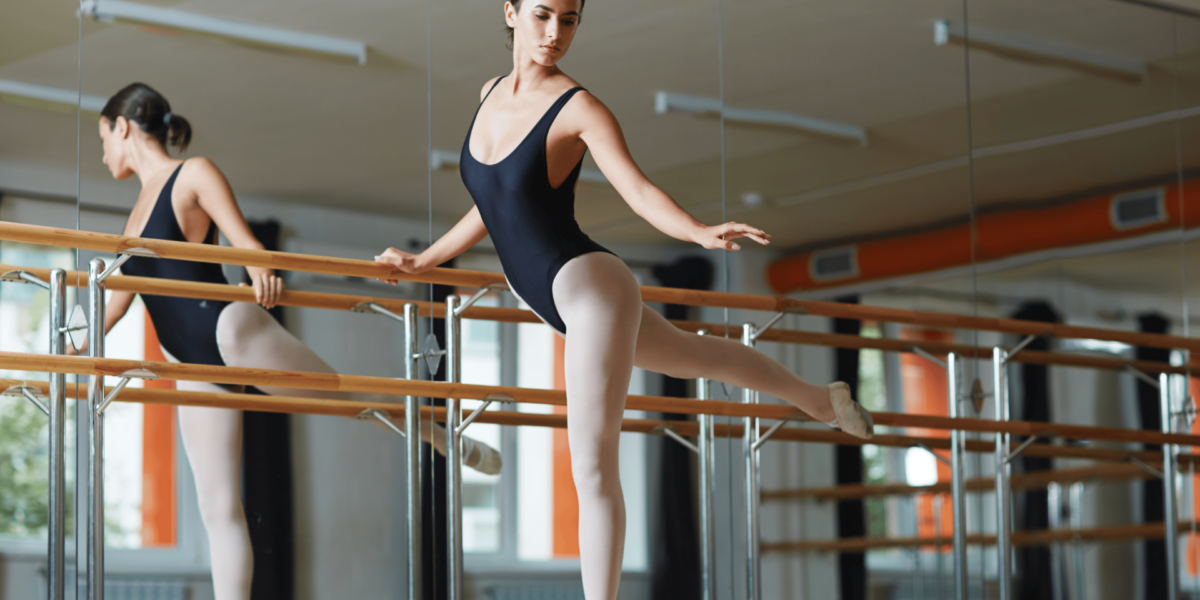
The mirror in a ballet studio reflects posture, position, and technique. It captures alignment and detail. But the true progress of an adult ballet journey often happens beyond the mirror’s reach. Growth in confidence, discipline, and self-awareness can’t always be seen in a reflection—but they shape the experience just as much as any physical improvement.

Internal Progress Drives Long-Term Motivation

Adult dancers often focus on visible progress—higher extensions, stronger balances, better turnout. But the internal changes that occur during class play an equally important role in long-term growth. These unseen developments include increased focus, emotional resilience, and self-trust.

Over time, adult students begin to value how ballet makes them feel, not just how they look in the mirror. In a realistic setting, a dancer who once judged every detail of their reflection may begin to prioritize how grounded or present they feel during class. This shift strengthens motivation and supports a more sustainable dance practice.

Emotional Strength Builds Through Repetition

Ballet requires repetition. Doing the same exercises week after week might seem simple, but this structure develops emotional discipline. Adult dancers build patience, learn to manage frustration, and accept that growth takes time.

A student may return to class after a challenging week, unsure of their energy or focus. Yet by completing the familiar exercises, they experience a sense of calm and control. This consistent structure becomes a tool for navigating outside stress and building inner strength that isn’t visible in the mirror.

Confidence Develops From Ownership of the Process

Unlike traditional ballet students, adults often pursue dance for personal reasons. They take control of their learning. This independence fosters confidence that doesn’t depend on applause or perfection.

A dancer who shows up consistently, asks questions, and explores new movement choices begins to build trust in their own judgment. That self-direction allows for deeper engagement with the class. Even without perfect technique, the dancer walks taller, focuses longer, and moves with greater conviction—none of which can be fully captured in a mirror.

Connection to the Body Deepens Over Time

Adult ballet students often arrive with disconnected movement patterns or physical habits formed by years of sitting or repetitive tasks. Ballet helps reintroduce the body’s natural mechanics. Through regular practice, dancers gain awareness of how they stand, breathe, and move.

This embodied understanding doesn’t always show in turnout or arabesque height. It shows in how a dancer moves through their day—how they sit at work, how they walk, how they respond to stress. These changes reflect an internal alignment that builds steadily and quietly with each class.

The Studio Becomes a Space for Self-Reflection

While the mirror offers feedback on form, the space itself provides room for emotional and mental reflection. Many adults use class time to check in with themselves. They notice how they’re feeling, how focused they are, and what their body is telling them.

This kind of awareness helps dancers understand their needs. It might lead someone to modify a step or take extra time during a stretch. Over time, the studio becomes a place where dancers learn to listen—not just to music, but to their own boundaries and capacity.

Progress Happens Even When It’s Invisible

Not every improvement in ballet shows immediately. In fact, much of the growth happens beneath the surface. Muscles adapt, joints gain mobility, and coordination improves slowly. These shifts often go unnoticed in the mirror until one day, a movement feels easier or more stable.

For adults, acknowledging this hidden progress is essential. It keeps frustration in check and helps them stay committed through slower phases. When students focus only on visual feedback, they may miss the deeper gains unfolding through steady practice.

Individual Goals Shape the Journey

Adult dancers define their own milestones. These goals might not involve performances or exams, but instead focus on consistency, flexibility, or confidence. These personal benchmarks often go unrecognized in a mirror-based environment.

A dancer who sets a goal to attend class twice a week, regardless of progress, builds a sense of discipline and purpose. Achieving that goal provides fulfillment that’s internal—not dependent on what the mirror reflects. This goal-setting supports long-term involvement and personal satisfaction.

Community Bonds Form Beyond Technique

In adult ballet classes, friendships and shared experiences often grow outside of formal technique. The encouragement exchanged during class, the shared laughter during a difficult combination, or the support after a tough day all form a quiet yet powerful community.

This emotional support reinforces a sense of belonging that can’t be seen in a mirror. Dancers feel valued for who they are—not just how they perform. That feeling creates safety and motivates them to return, even on days when progress feels slow.

Perspective Expands Beyond Perfection

With experience, adult dancers begin to let go of perfection as the primary goal. Instead of chasing flawless execution, they begin to appreciate the process itself. Each class becomes an opportunity to move, breathe, and be present.

This mindset shift frees dancers from self-criticism and makes the experience more rewarding. When students stop relying on the mirror for validation and begin to value how they feel, they often unlock deeper enjoyment and authenticity in their dancing.

The Mirror Reflects Shape—Not the Whole Story

The mirror is a tool. It offers useful feedback, but it doesn’t tell the full story of an adult ballet journey. The confidence, awareness, and emotional strength developed in class grow beyond what any reflection can capture. By focusing on internal progress and trusting the process, adult dancers build a connection to ballet that lasts—quietly, steadily, and powerfully.

From Hesitation to Grace: Navigating the First Ballet Class as an Adult

Starting ballet as an adult often begins with uncertainty. Many adults arrive at their first class unsure of their ability, unsure of what to expect, and unsure if they belong in the studio. But over time, with guidance and consistent practice, hesitation turns into grace—through movement, focus, and self-awareness.

Taking the First Step Begins With Showing Up

The decision to attend a first ballet class as an adult can be intimidating. Questions about ability, appearance, or past experience often surface. Yet, the most important step is simply walking into the studio.

In a realistic setting, you might enter the space unsure where to stand or what to wear. Still, your presence signals the start of something new. That act alone—committing to showing up—creates a shift in mindset and opens the door to physical and emotional growth.

The Studio Environment Supports Newcomers

Most adult ballet classes are structured with first-time students in mind. Instructors understand that many adults are returning after years away or starting from scratch. The environment is usually welcoming and free of pressure to perform.

When you step into class, the instructor guides each movement, offers corrections without judgment, and encourages focus on alignment and form. This creates a learning space where mistakes are part of the process. The studio becomes a place to explore movement without comparison or expectation.

Learning the Basics Builds Body Awareness

Your first ballet class introduces fundamental positions and movements. These include pliés, tendus, and port de bras—all designed to build strength, flexibility, and control. Each exercise helps you understand how your body moves and where adjustments are needed.

As you repeat these basics, you start to notice small changes. Your posture improves, your balance becomes steadier, and your coordination grows. This growing awareness helps you move with more intention, both in and outside the studio.

Consistent Practice Develops Confidence

Progress in ballet doesn’t happen all at once. Instead, it develops gradually through consistent attendance and focused repetition. Each class builds on the last, helping you refine your movement and increase physical control.

In a practical sense, you may struggle with timing or form during early classes. But after a few weeks, those movements begin to feel familiar. You start to anticipate sequences, respond to music, and carry yourself with more assurance. That growth directly supports a stronger sense of self-confidence.

Class Structure Creates Comfort and Routine

Most adult ballet classes follow a predictable structure: warm-up at the barre, center work, and movement across the floor. This routine creates familiarity, making it easier to track progress and feel at ease.

With each session, the structure becomes part of your rhythm. You begin to recognize transitions, understand terminology, and prepare mentally for what comes next. That sense of predictability offers security, especially during a new experience.

Movement Unlocks Focus and Stillness

Ballet requires concentration. From aligning the spine to coordinating arms and legs, each movement demands full attention. As you focus on the task at hand, external stress fades.

This shift in focus often surprises new dancers. A class that begins with nerves quickly transforms into one that brings clarity and calm. The act of moving with purpose helps quiet the mind, offering relief from the rush of daily life. Over time, this stillness becomes part of your internal balance.

Modifications Support Every Body Type and Experience Level

In adult ballet, every body moves differently. Instructors understand this and often offer variations for different abilities. Whether you’re managing tight muscles, joint limitations, or lack of flexibility, the class supports adjustment and progress.

A realistic scenario might involve choosing a modified version of a step during your first few weeks. Instead of pushing through discomfort, you work within your current range. This approach allows for steady improvement without risk of injury or frustration.

Clothing and Gear Don’t Need to Be Perfect

One common concern for first-time adult dancers is what to wear. While ballet has a traditional aesthetic, adult classes are often more flexible. The priority is comfort and movement—not appearance.

Simple, fitted clothing allows instructors to see your alignment and offer helpful feedback. Ballet slippers provide the right amount of grip and support. Over time, as you grow more comfortable, you may choose attire that aligns with your personal preferences and supports your movement goals.

Community Encouragement Strengthens Motivation

Adult ballet classes often foster a strong sense of community. Dancers support one another, celebrate progress, and share the learning experience. This social element adds motivation and helps you stay committed to your goals.

As a new student, hearing encouragement from a classmate or sharing a laugh after a difficult combination builds confidence. These small interactions remind you that you’re not alone in your journey—and that everyone is learning together.

Grace Emerges Through the Process

Your first ballet class as an adult may begin with hesitation, but each class builds on the last. As you gain strength, flexibility, and focus, you begin to move with greater ease. That shift—from unsure steps to graceful motion—reflects more than just physical progress. It shows what happens when you give yourself permission to try, learn, and grow.

From First Position to Personal Power: The Journey Back to Ballet

Returning to Ballet Begins With Intention

Choosing to return to ballet as an adult starts with a clear decision to reconnect with the body. Stepping back into the studio is more than remembering steps—it’s a shift in mindset. The commitment to start again requires self-awareness and purpose.

When someone makes the choice to relearn ballet, they don’t just seek exercise. They want focus, control, and a renewed relationship with movement. This intention sets the tone for progress and personal growth.

First Position Reintroduces the Foundation

Ballet begins with first position, where the feet ground the body and the posture aligns. For returning dancers, this moment marks a physical and mental reset. Every future movement builds on this foundation.

In the studio, a dancer relearns how to stand with purpose. They engage core muscles, press through the floor, and lift through the spine. This position restores body awareness and reconnects posture with intention.

Muscle Memory Returns Through Repetition

The body remembers patterns with time and practice. While technique may feel unfamiliar at first, repetition reactivates motor memory. Barre exercises gradually rebuild strength and coordination.

Someone working through plies and tendus notices small shifts. Their balance improves. Transitions feel smoother. These signs confirm that muscle memory returns, even after long breaks.

Confidence Grows With Consistent Practice

Each class builds a layer of confidence. The structure of ballet—barre to center to across the floor—offers a steady path for improvement. With repetition, movement feels more fluid and controlled.

As someone returns weekly, their confidence grows. They rely less on watching others and more on their own rhythm. The consistency reinforces trust in their body and mind.

Personal Power Emerges Through Physical Control

Ballet teaches how to move with precision. This control translates into personal strength. Alignment, breath, and timing come together to support stability, which empowers movement on and off the floor.

In class, a dancer finds clarity through posture. Their frame reflects their intention. This physical presence carries into daily life, shaping how they walk, stand, and respond.

Emotional Release Supports Inner Balance

Movement releases emotion. Ballet offers a space to process stress through structured repetition and expressive combinations. The connection between body and feeling becomes clearer with each class.

After center work, a dancer may notice emotional shifts—calmness, release, or focus. These changes come from the act of moving with intention, not from performing for others.

Setbacks Become Lessons in Resilience

The return to ballet is not always smooth. Progress may slow. Frustration may rise. But each setback becomes an opportunity to learn patience, make adjustments, and stay consistent.

When a dancer struggles with a sequence, they don’t quit. They slow down, revisit details, and continue. This process reinforces resilience and reinforces long-term growth.

The Studio Becomes a Place of Self-Discovery

Inside the studio, distractions fall away. Mirrors, music, and movement offer feedback without noise. Dancers observe themselves clearly and engage in honest practice.

In this environment, someone may realize new strengths or confront old habits. Each class becomes a space to explore and refine not just technique, but self-understanding.

Reclaiming Ballet Restores Ownership of the Body

For adults, returning to ballet often reflects a desire to reclaim control over the body. Ballet teaches alignment, encourages balance, and strengthens the connection between movement and thought.

As posture improves and movements sharpen, a dancer feels more at home in their body. This sense of ownership builds confidence and reinforces personal power.

Growth Extends Beyond Technique

While steps improve with practice, the deeper growth happens in the way dancers carry themselves. Grace, patience, and strength take shape over time. These qualities show not just in class, but in everyday actions.

Someone who reenters ballet carries that energy into their routines. They move with more awareness. They respond with more intention. This transfer of skill marks real transformation.

Ballet Becomes a Practice of Empowerment

The journey back to ballet is not about returning to who someone was. It’s about building who they are now—with movement, discipline, and renewed purpose. Each plié and pirouette becomes an act of self-affirmation.

As the dancer holds first position, they connect with the strength they’ve rebuilt. From that point forward, every step becomes a part of their personal power.

The Journey of Rediscovering Movement Through Adult Ballet

Embracing a New Beginning in Ballet

Rediscovering movement through adult ballet starts with embracing a fresh beginning. Many adults return to ballet after years away from dance or approach it for the first time with a renewed curiosity. Walking into a studio as an adult can feel unfamiliar, but it also opens the door to exploring movement with a more mindful and personal approach.

Rebuilding Physical Awareness Through Dance

Adult ballet training rebuilds physical awareness by reconnecting the mind with the body’s natural rhythms. Each exercise focuses attention on posture, balance, and coordination, allowing dancers to identify areas of tension and weakness. A participant practicing pliés and tendus begins to notice how muscles respond and adjust, leading to more conscious, intentional movement in both dance and daily life.

Strengthening Muscles to Support Graceful Motion

Ballet strengthens muscles that support both large and subtle movements. Core stability, leg endurance, and upper-body control are developed through targeted exercises. As strength improves, movements become smoother and more fluid. An adult who trains consistently finds that walking, standing, and bending require less effort and appear more graceful without forcing unnatural positions.

Building Flexibility and Expanding Mobility

Regular ballet practice enhances flexibility by gently stretching muscles and joints beyond their usual range of motion. Flexibility training reduces stiffness and increases mobility, making everyday actions more comfortable. A dancer attending weekly classes notices greater ease when reaching, twisting, and bending, improving their ability to move freely throughout the day.

Restoring Balance and Stability

Balance and stability are core components of ballet training. Exercises that challenge one-leg poses, directional changes, and quick transitions strengthen the body’s ability to maintain control under movement. A student focused on balance during barre work experiences improved steadiness, which translates into better confidence while navigating uneven surfaces or performing tasks that require careful footwork.

Rediscovering Rhythm and Musicality

Ballet reintroduces adults to the natural rhythm and musicality of movement. Each combination blends steps with musical counts, encouraging dancers to listen, feel, and synchronize their bodies with the beat. Over time, participants develop sharper timing and greater fluidity, making even complex routines feel like an extension of the music rather than isolated mechanical steps.

Cultivating Mental Focus and Clarity

Adult ballet challenges the mind to stay present and focused during practice. Remembering sequences, adjusting techniques, and responding to musical cues require mental engagement. Dancers who commit to mindful practice experience clearer thinking and stronger memory skills, which positively affect tasks outside the studio, from work presentations to everyday decision-making.

Nurturing Emotional Resilience Through Dance

Returning to ballet offers emotional growth as well as physical benefits. Progress often feels gradual, and overcoming frustration requires patience and self-compassion. Through regular practice, adults build resilience by celebrating small victories and learning to approach challenges with persistence. This emotional strength carries into daily life, helping dancers manage stress and setbacks with greater ease.

Realistic Scenario: A New Relationship with Movement

Imagine an adult who has spent years in a sedentary office job, feeling disconnected from their physical body. They decide to join a beginner ballet class to reconnect with movement. At first, each step feels rigid, and every exercise demands concentration. Over several months, they notice increased flexibility, better posture, and an ease in everyday movements. More importantly, they feel mentally refreshed and emotionally stronger, having built a new, supportive relationship with their body through ballet.

Ballet as a Path to Renewed Vitality

The journey of rediscovering movement through adult ballet is one of growth, awareness, and transformation. Ballet strengthens the body, sharpens the mind, and nurtures emotional resilience, offering a pathway to a more connected and vibrant life. Adults who commit to this practice rediscover the joy of movement, the beauty of discipline, and the lasting benefits of a mindful connection between the body and mind.

From First Class to Full Expression: Tracing the Journey of an Adult Beginner

Starting ballet as an adult often begins with uncertainty. Walking into a studio for the first time can feel intimidating, especially without a background in dance. But this first step sets the foundation for personal growth through structured movement.

The initial class introduces basic techniques and terminology. More importantly, it challenges the body to move in unfamiliar ways. Adults quickly realize that progress depends on patience, focus, and consistent effort rather than natural ability.

Building Coordination Through Repetition

Adult beginners must develop coordination from the ground up. Movements like pliés, tendus, and simple turns require control, balance, and timing. These skills improve gradually through repeated practice and mindful correction.

In early stages, it’s common to feel awkward or disconnected from the movement. Over time, repetition strengthens the connection between the brain and muscles. This neural reinforcement allows the body to respond with greater accuracy and confidence.

Developing Confidence in Technique

As beginners gain control over basic movements, their confidence starts to grow. Confidence doesn’t come from performing perfectly but from understanding how to make adjustments and improve.

Instructors play a key role by offering targeted feedback. This feedback helps adults refine their technique and recognize their progress. The ability to self-correct and apply guidance builds both skill and trust in one’s own judgment.

Navigating Frustration and Plateaus

Every adult beginner encounters challenges. Frustration can arise when progress slows or certain movements remain difficult. These moments test commitment and mindset.

Plateaus often signal a shift from surface-level learning to deeper integration. Instead of quitting, committed dancers focus on consistency. They show up, stay present, and allow the process to unfold. This persistence strengthens resilience and reinforces long-term growth.

Unlocking Artistic Expression Through Movement

Once technique becomes more familiar, dancers can shift attention from mechanics to expression. Movement transforms from a task to a form of communication. Adult dancers begin to use timing, flow, and energy to convey emotion and intention.

This stage marks a turning point in the journey. What began as structured practice evolves into personal expression. Dancers feel more connected to the music, the movement, and themselves.

Finding a Rhythm of Personal Growth

Ballet becomes part of a weekly rhythm that supports both physical and emotional well-being. The routine offers structure in a world often filled with unpredictability. Returning to class creates a sense of progress and purpose.

Dancers begin to notice changes in posture, energy, and mindset. They approach other areas of life with more confidence and clarity. The discipline learned in class carries over into daily habits and decisions.

Connecting with a Supportive Community

Adult beginners rarely train in isolation. Most join group classes filled with peers on similar paths. This shared experience creates a sense of belonging rooted in mutual respect and support.

Instructors and classmates celebrate milestones, provide encouragement, and share insights. This environment helps adults stay motivated and feel connected, especially when navigating challenges or setbacks.

Embracing a Lifelong Relationship with Dance

The journey doesn’t end with mastering steps or completing a set curriculum. For many adults, ballet becomes a lifelong pursuit. The focus shifts from achieving perfection to enjoying the ongoing process of learning and refining.

With each class, adult dancers rediscover movement as a tool for growth. They carry forward not just technical skill but also emotional insight and physical awareness.

Growth Begins with Showing Up

The journey of an adult beginner in ballet is about more than learning how to move. It’s about developing confidence, building resilience, and discovering personal expression.

From the first uncertain steps to full artistic expression, the process offers a structured path to growth. Each class becomes a step forward—a chance to reconnect with the body, strengthen the mind, and explore the art of movement with purpose and clarity.

Rediscovering Grace: The Emotional Journey of Adult Ballet Beginners

Starting ballet as an adult is not just a physical challenge—it’s an emotional journey. Unlike childhood learners, adult ballet beginners bring life experience, self-awareness, and often, vulnerability into the studio. Each movement becomes more than just technique. It becomes a step toward confidence, resilience, and personal growth.

Walking into the Studio with Self-Doubt

The first ballet class as an adult often starts with uncertainty and hesitation. Many adult beginners enter ballet with mixed emotions. They may feel excited, but also worry they’re too late to start. The mirrors, the structured format, and the presence of others can heighten insecurities. Some compare themselves to younger dancers or feel nervous about not knowing the terminology. This mental barrier is often the hardest part of the journey. But showing up, even with doubt, is the first act of courage.

Letting Go of Perfectionism

Adult learners often struggle with the need to perform perfectly right away. In life outside the studio, many adults have careers, families, and responsibilities that require control and structure. Ballet challenges that mindset. Movements take time to learn. Mistakes happen. Adult dancers must learn to accept slow progress and celebrate small wins. Letting go of the desire to get everything right becomes essential. In doing so, dancers open the door to joy and progress.

Facing the Body’s Limitations

Ballet introduces adults to a new relationship with their own bodies. Unlike younger dancers, adult beginners may deal with past injuries, stiffness, or limited flexibility. These realities can feel discouraging at first. But they also lead to a deeper understanding of body awareness. Each plié, tendu, and stretch brings insight into how the body moves and responds. With patience and consistency, adult dancers start to feel stronger, more balanced, and more in tune with themselves.

Finding Emotional Release Through Movement

Ballet becomes a way to express feelings that words can’t reach. As adult students learn the flow of ballet, they often discover that movement can release built-up emotions. The physicality of dance, paired with music and rhythm, creates space for self-expression. Whether it’s stress from work, grief, or even joy, the studio becomes a safe place to process those feelings. Over time, ballet feels less like a class and more like therapy in motion.

Building Confidence One Step at a Time

Progress in ballet fuels a quiet but steady rise in self-esteem. In each class, adult beginners learn something new. Even a single mastered step brings a sense of achievement. This momentum builds confidence. As dancers overcome early challenges—like remembering combinations or improving posture—they begin to trust themselves more. That confidence often spills into other areas of life, improving public speaking, posture, or even social interactions outside the studio.

Reconnecting with Creativity

Ballet reignites creative thinking that may have gone dormant in daily routines. Many adult dancers come from non-creative fields. For them, ballet becomes a reconnection with imagination, artistry, and expression. The discipline of technique blends with the freedom of movement. This combination encourages creative thinking, even outside the studio. Problem-solving, emotional intelligence, and mental flexibility often improve as a result of regularly engaging in a creative physical practice.

Embracing Community and Support

The adult ballet class fosters a unique sense of connection and encouragement. Unlike competitive environments, adult ballet classes often focus on support and inclusion. Classmates cheer each other on. Instructors guide without pressure. This atmosphere builds trust and connection. For many, it becomes a welcome break from the isolation that adult life can sometimes bring. Sharing progress, struggles, and laughter in class helps create lasting friendships and a sense of belonging.

Balancing Vulnerability with Strength

Ballet teaches adults how to stay open without losing their sense of control. Showing up in a leotard or trying a new movement in front of others can feel vulnerable. But this vulnerability, when balanced with determination, becomes strength. Adult ballet beginners learn how to face fear without letting it stop them. This mindset shift helps them approach challenges outside of dance with more confidence and emotional clarity.

Redefining Success on Personal Terms

In ballet, adults often redefine what success means to them. Progress isn’t measured by competition or comparison. Instead, success becomes internal—like holding a balance longer than before or remembering an entire combination without prompts. These moments reflect personal achievement. This redefinition of success helps dancers view themselves with more compassion and less judgment, which improves both their dancing and overall well-being.

Carrying Grace into Daily Life

The benefits of adult ballet extend beyond the studio walls. The posture, breath control, and presence learned in ballet affect how dancers move through the world. Daily actions—like walking, sitting, or speaking—become more intentional. Emotional shifts happen too. With regular practice, many adults notice greater patience, improved focus, and a more positive relationship with their bodies. Ballet becomes a tool not only for physical fitness but for emotional balance and mental clarity.

Ballet Is More Than a Dance Class

For adult beginners, ballet offers a path to rediscovering grace—both physical and emotional. It requires patience, vulnerability, and a willingness to grow. But in return, it gives strength, confidence, and a renewed sense of self. Every class is a reminder that it’s never too late to learn something new, to move with intention, or to find beauty in the process. Adult ballet isn’t about perfection—it’s about presence. And that presence is where true grace begins.