Ballet Strengthens Physical Awareness and Alignment
Adult ballet practice increases physical awareness by focusing attention on alignment, posture, and control. Dancers learn to engage specific muscles to support each position, which improves coordination and balance over time.
A person returning to movement in adulthood may find their body stiff or disconnected. Through regular ballet classes, they begin to feel where their weight shifts, how their spine aligns, and which muscles activate during each exercise. This attention to detail helps build a more responsive and balanced body.
Repetition Builds Neuromuscular Precision
Ballet exercises require consistent repetition, which helps strengthen the connection between the brain and muscles. Over time, the body learns patterns that increase precision and reduce hesitation in movement.
During a series of pliés or tendus, an adult learner begins to refine how their legs and feet respond to specific cues. Each class sharpens this control, allowing movements to feel more natural and efficient. The result is a clearer link between intention and physical response.
Mental Focus Improves Through Structured Sequences
Ballet challenges the mind as much as the body. Remembering combinations, coordinating movements with music, and responding to cues demand focused attention. These mental tasks strengthen concentration and promote cognitive clarity.
An adult dancer in class must track the sequence, anticipate transitions, and apply corrections—all while moving in time with the group. This level of focus helps quiet mental noise and keeps the brain fully engaged in the present moment.
Movement Supports Emotional Regulation
The discipline of ballet offers a channel for emotional release. Through music, breath, and movement, dancers process tension without needing to verbalize it. The result is a calmer state of mind and reduced emotional stress.
A person dealing with daily pressure may find that ballet class provides relief. Each phrase allows them to shift energy from overthinking to expression. After class, they leave feeling more centered, not because they escaped their emotions, but because they moved through them.
Breathwork Enhances Movement Quality and Calm
In ballet, breath supports rhythm, flow, and energy control. Matching breath to movement helps regulate pace and sustain effort. This breath awareness reinforces the connection between mind and body, promoting relaxation and physical ease.
A dancer moving through a slow adagio learns to inhale during lifts and exhale during transitions. This rhythm becomes second nature, supporting smoother movement while calming the nervous system. Breath becomes both a tool and a signal of focus.
Postural Awareness Extends Beyond the Studio
The body awareness gained in ballet doesn’t stay in class. Improved posture and alignment influence how people walk, sit, and move through everyday life. This new physical confidence supports better body mechanics and reduces fatigue.
An adult dancer may start noticing how they stand in line or carry their bag. These changes aren’t forced—they emerge naturally from new movement habits. The studio teaches balance, but that balance continues at work, at home, and in daily routines.
Ballet Encourages Mindful Movement Practice
Unlike many fitness programs that focus on speed or repetition, ballet emphasizes form, timing, and presence. Each step requires awareness of where the body is in space. This approach to movement trains mindfulness through consistent, focused action.
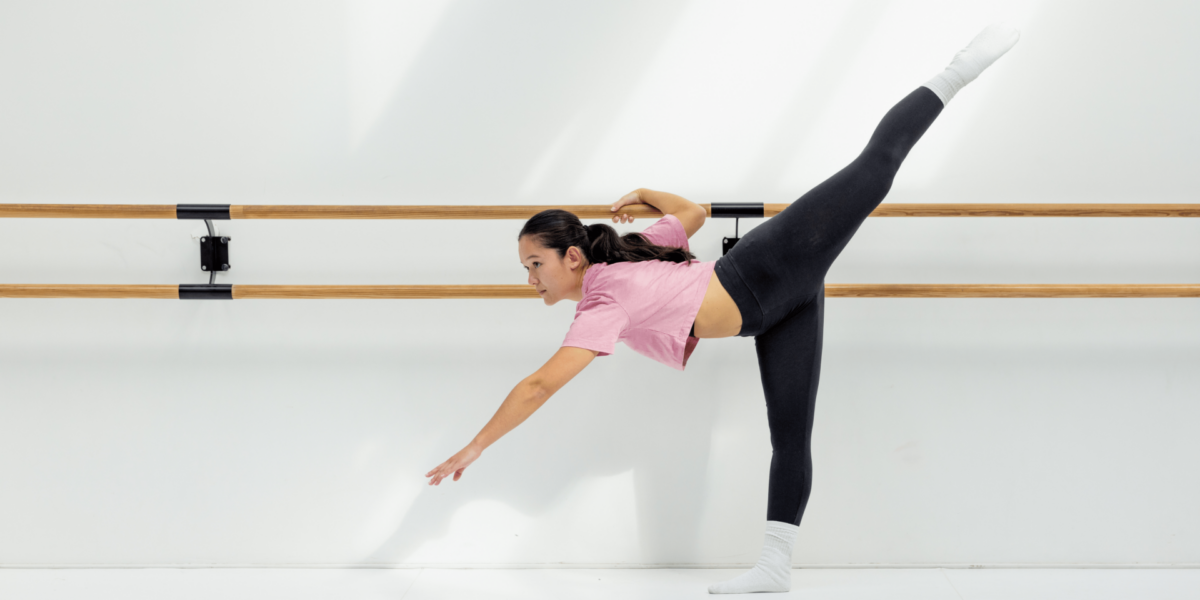
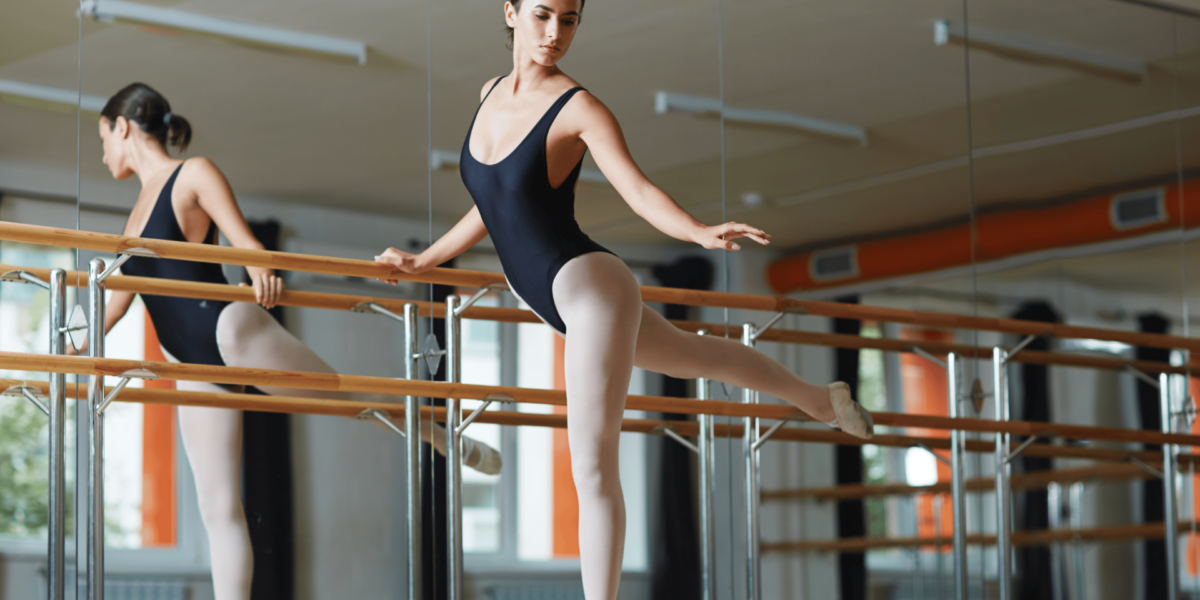
In a typical ballet class, there’s little room for distraction. Whether working at the barre or in the center, the dancer must focus on every detail. This full-body attention strengthens the mind-body connection and supports a more intentional way of moving.
Self-Perception Improves Through Nonjudgmental Progress
Adult ballet classes are often structured to support individual growth, not competition. This environment allows dancers to measure progress internally, focusing on how movement feels rather than how it looks to others. This shift builds self-trust and body appreciation.
A dancer might struggle with balance early on but begin to notice small improvements each week. These observations support a more positive body image—not based on appearance, but on ability and awareness. Progress becomes something personal and empowering.
Creative Expression Activates Emotional Intelligence
Ballet involves more than form—it asks dancers to interpret music and emotion through movement. This act of physical storytelling builds emotional intelligence by encouraging people to recognize and express feeling in new ways.
When learning a new phrase, an adult dancer pays attention to phrasing, intention, and energy. Their response to the music creates expression that is both personal and physical. This combination deepens emotional awareness and enriches the movement experience.
Ballet Practice Reinforces Long-Term Mind-Body Integration
Continued ballet training supports sustainable wellness by integrating mental focus with physical control. Over time, this integrated approach helps adults respond more calmly to stress, stay present during challenges, and remain aware of their physical limits and strengths.
A consistent ballet routine offers structure and self-regulation. Movements are learned, practiced, and refined in cycles. This pattern strengthens resilience and supports lifelong health. Ballet becomes more than a workout—it becomes a path to a stronger mind-body connection.