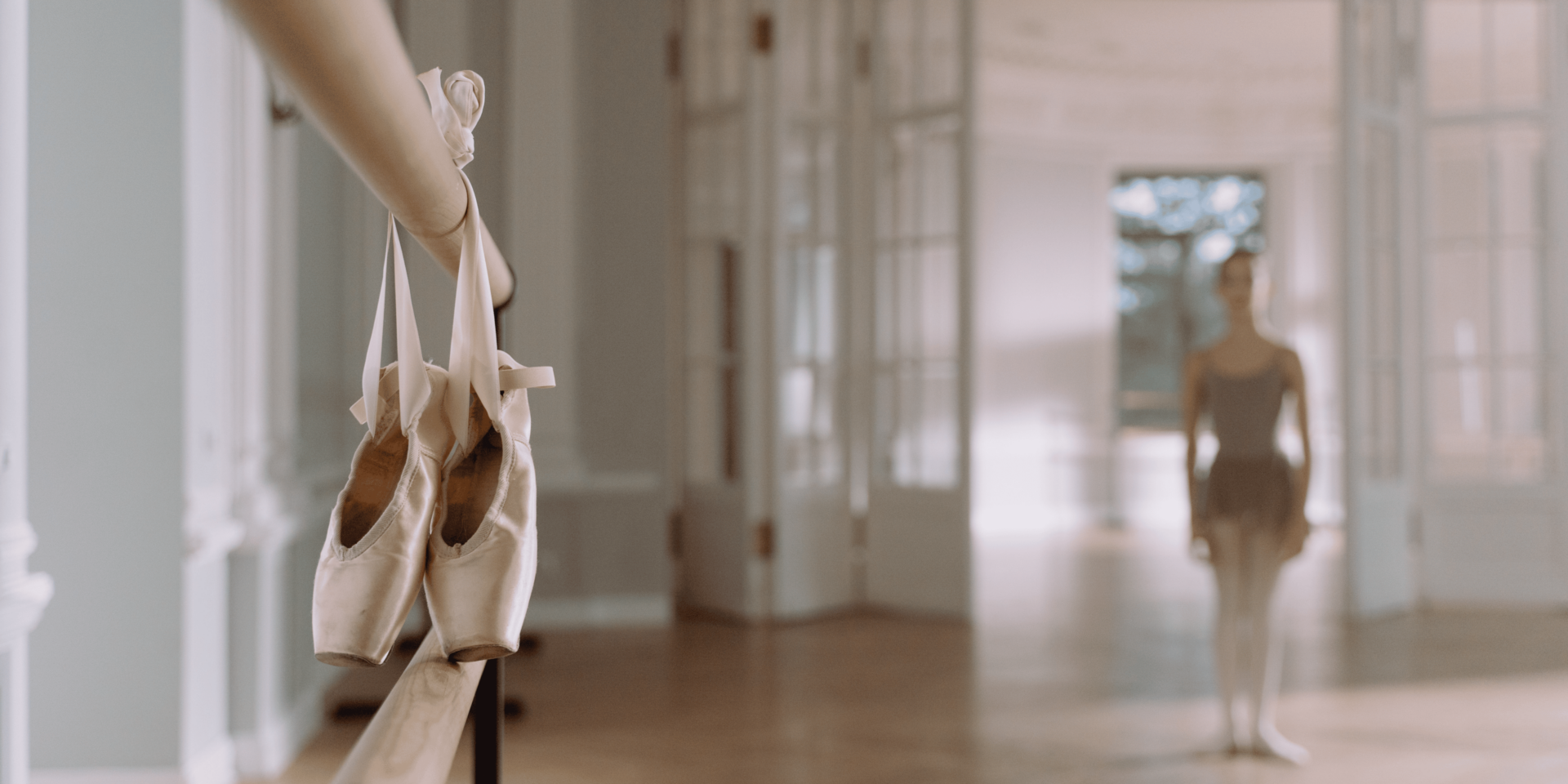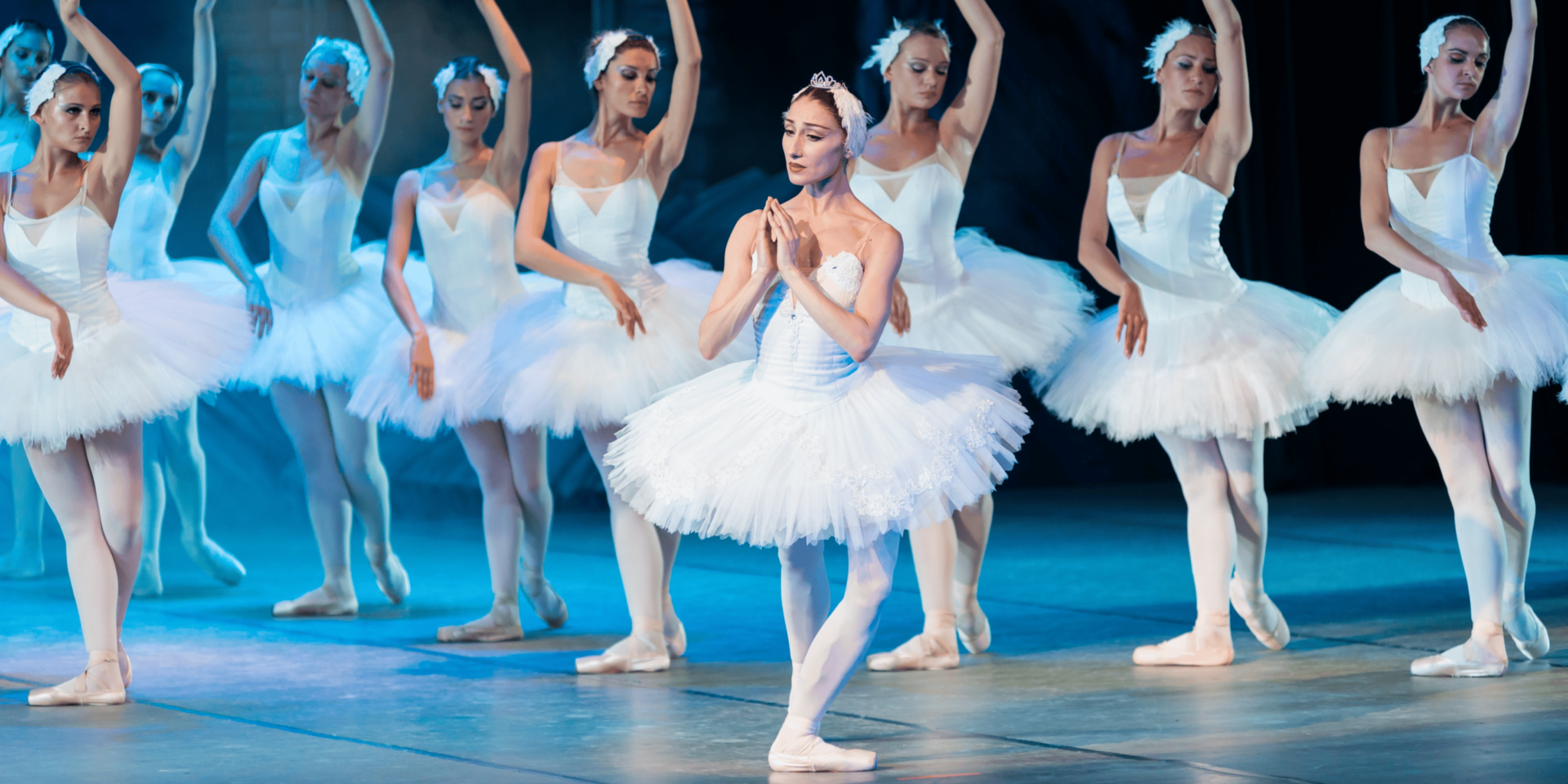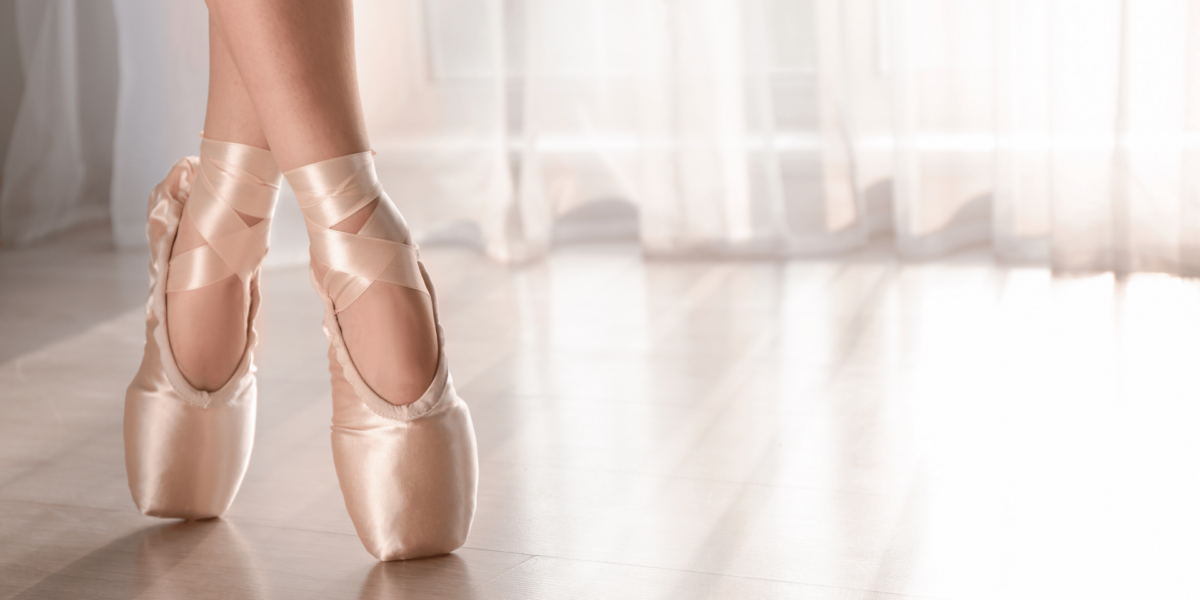
For many adults, dancing en pointe is a long-held goal. Life may have interrupted that dream, but stepping into a pair of pointe shoes later in life is entirely possible. Adult dancers bring commitment, awareness, and motivation to the studio. These qualities help make the journey to pointe safe and rewarding.
Building Strength for the Challenge
Pointe work requires specific physical preparation. Adult ballet classes that focus on technique, alignment, and muscle control help build the foundation. Core strength, ankle stability, and turnout must develop over time. As you train consistently, your body adapts. You earn the strength to support yourself safely en pointe.
Prioritizing Safety and Readiness
Adults must approach pointe work with patience and realistic expectations. Qualified teachers assess readiness based on control, consistency, and injury history. Unlike younger dancers in full-time training, adults often balance work and family responsibilities. A structured and gradual approach ensures that pointe work supports your health rather than compromises it.
Rediscovering Confidence in New Ways
Wearing pointe shoes can reshape how you see yourself. They change your relationship with your body and your movement. Achieving this milestone brings a clear sense of progress. As you master small steps en pointe, your confidence grows. You begin to trust your abilities and take pride in what you can achieve.
The Mental Focus Behind the Movement
Dancing in pointe shoes requires intense mental concentration. You must stay fully aware of your posture, balance, and transitions. This mental engagement sharpens focus and builds discipline. Each class becomes a space where you can train your mind along with your body, reducing stress through deep concentration.
Finding Joy in Personal Progress
Pointe work as an adult is not about performing or competing. It’s about personal fulfillment. The satisfaction comes from learning something new, pushing limits, and enjoying the process. You celebrate your own growth, not someone else’s timeline. This self-driven motivation is one of the most rewarding parts of the adult ballet experience.
Staying Motivated with Clear Milestones
Clear goals keep adult dancers motivated. Reaching pointe is one of those milestones. It adds purpose to your training and gives you something to work toward. Having a structured path, such as a beginner pointe class or a prep program, can keep your progress steady and your interest high.
Creating Ritual and Routine
Pointe work adds a layer of intention to your ballet practice. The process of preparing your shoes, warming up carefully, and focusing during class builds routine. These rituals become part of your mental preparation. They help ground you and create consistency in your dance practice.
Challenging the Narrative Around Age and Ballet
Choosing to dance en pointe as an adult challenges outdated ideas about ballet. It proves that movement, strength, and artistry are not limited by age. Adult dancers rewrite the story. They show that it’s never too late to learn something hard and do it well. Pointe work becomes a symbol of possibility.
Pointe Shoes as a Personal Celebration
Putting on pointe shoes is a personal achievement. It reflects your commitment, your growth, and your effort. Whether you’re dancing simple rises or full variations, the shoes represent how far you’ve come. For many adults, pointe is not just a skill—it’s a celebration of their own path in ballet.
Honoring the Process Without Comparison
Every dancer’s path to pointe looks different. Some move quickly, others take years. What matters is honoring your progress. Adult ballet is not a race. Pointe becomes part of a larger journey where consistency, effort, and enjoyment carry more weight than speed. When you let go of comparison, you give yourself space to grow.
Pointe Belongs in Adult Ballet
Pointe shoes are not reserved for the young. They belong to anyone willing to work for them. As an adult, you bring maturity, intention, and discipline to the experience. With the right preparation and mindset, pointe can be a healthy, inspiring, and deeply personal part of your ballet life.