The Journey of Rediscovering Movement Through Adult Ballet

Embracing a New Beginning in Ballet

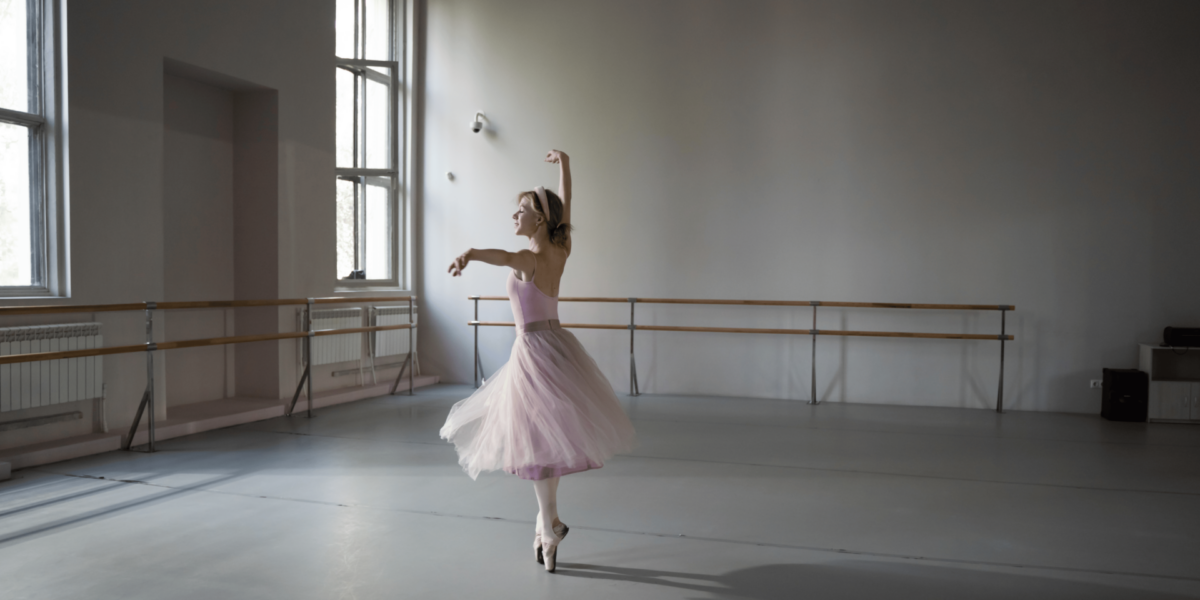
Rediscovering movement through adult ballet starts with embracing a fresh beginning. Many adults return to ballet after years away from dance or approach it for the first time with a renewed curiosity. Walking into a studio as an adult can feel unfamiliar, but it also opens the door to exploring movement with a more mindful and personal approach.

Rebuilding Physical Awareness Through Dance

Adult ballet training rebuilds physical awareness by reconnecting the mind with the body’s natural rhythms. Each exercise focuses attention on posture, balance, and coordination, allowing dancers to identify areas of tension and weakness. A participant practicing pliés and tendus begins to notice how muscles respond and adjust, leading to more conscious, intentional movement in both dance and daily life.

Strengthening Muscles to Support Graceful Motion

Ballet strengthens muscles that support both large and subtle movements. Core stability, leg endurance, and upper-body control are developed through targeted exercises. As strength improves, movements become smoother and more fluid. An adult who trains consistently finds that walking, standing, and bending require less effort and appear more graceful without forcing unnatural positions.

Building Flexibility and Expanding Mobility

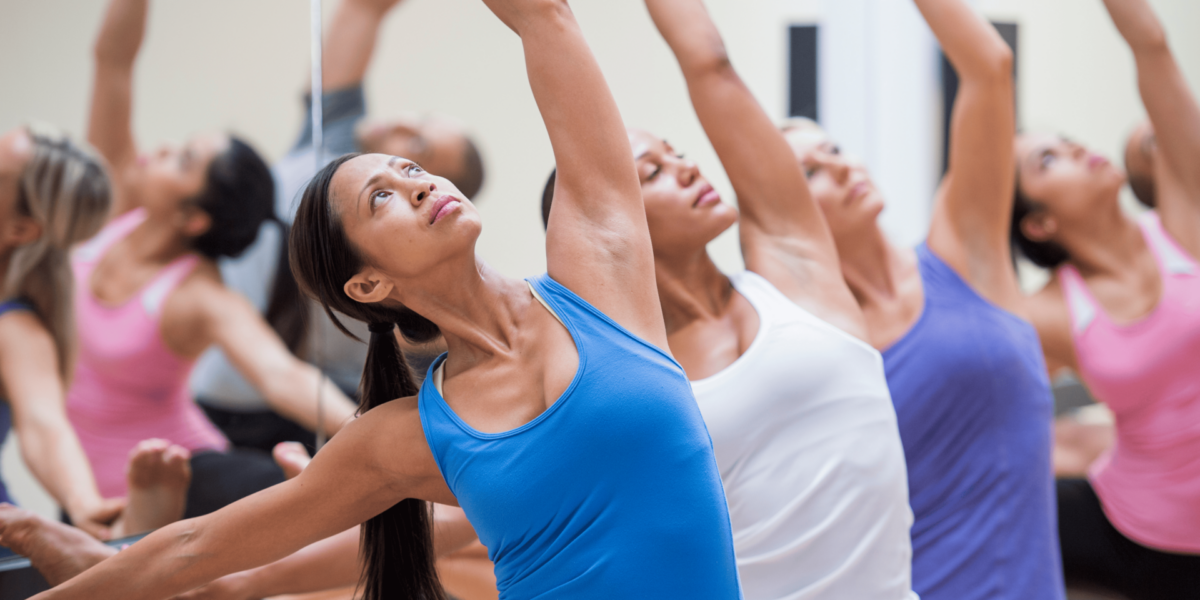
Regular ballet practice enhances flexibility by gently stretching muscles and joints beyond their usual range of motion. Flexibility training reduces stiffness and increases mobility, making everyday actions more comfortable. A dancer attending weekly classes notices greater ease when reaching, twisting, and bending, improving their ability to move freely throughout the day.

Restoring Balance and Stability

Balance and stability are core components of ballet training. Exercises that challenge one-leg poses, directional changes, and quick transitions strengthen the body’s ability to maintain control under movement. A student focused on balance during barre work experiences improved steadiness, which translates into better confidence while navigating uneven surfaces or performing tasks that require careful footwork.

Rediscovering Rhythm and Musicality

Ballet reintroduces adults to the natural rhythm and musicality of movement. Each combination blends steps with musical counts, encouraging dancers to listen, feel, and synchronize their bodies with the beat. Over time, participants develop sharper timing and greater fluidity, making even complex routines feel like an extension of the music rather than isolated mechanical steps.

Cultivating Mental Focus and Clarity

Adult ballet challenges the mind to stay present and focused during practice. Remembering sequences, adjusting techniques, and responding to musical cues require mental engagement. Dancers who commit to mindful practice experience clearer thinking and stronger memory skills, which positively affect tasks outside the studio, from work presentations to everyday decision-making.

Nurturing Emotional Resilience Through Dance

Returning to ballet offers emotional growth as well as physical benefits. Progress often feels gradual, and overcoming frustration requires patience and self-compassion. Through regular practice, adults build resilience by celebrating small victories and learning to approach challenges with persistence. This emotional strength carries into daily life, helping dancers manage stress and setbacks with greater ease.

Realistic Scenario: A New Relationship with Movement

Imagine an adult who has spent years in a sedentary office job, feeling disconnected from their physical body. They decide to join a beginner ballet class to reconnect with movement. At first, each step feels rigid, and every exercise demands concentration. Over several months, they notice increased flexibility, better posture, and an ease in everyday movements. More importantly, they feel mentally refreshed and emotionally stronger, having built a new, supportive relationship with their body through ballet.

Ballet as a Path to Renewed Vitality

The journey of rediscovering movement through adult ballet is one of growth, awareness, and transformation. Ballet strengthens the body, sharpens the mind, and nurtures emotional resilience, offering a pathway to a more connected and vibrant life. Adults who commit to this practice rediscover the joy of movement, the beauty of discipline, and the lasting benefits of a mindful connection between the body and mind.

How Ballet Training Transforms the Adult Body and Mind

Building Physical Strength Through Ballet

Ballet training develops physical strength by engaging muscles throughout the body in controlled, deliberate movements. Core muscles, legs, arms, and back work together to create balance and support. An adult attending regular ballet classes notices how exercises like pliés, tendus, and arabesques steadily build endurance and tone, resulting in improved posture and greater stability in everyday life.

Improving Flexibility and Range of Motion

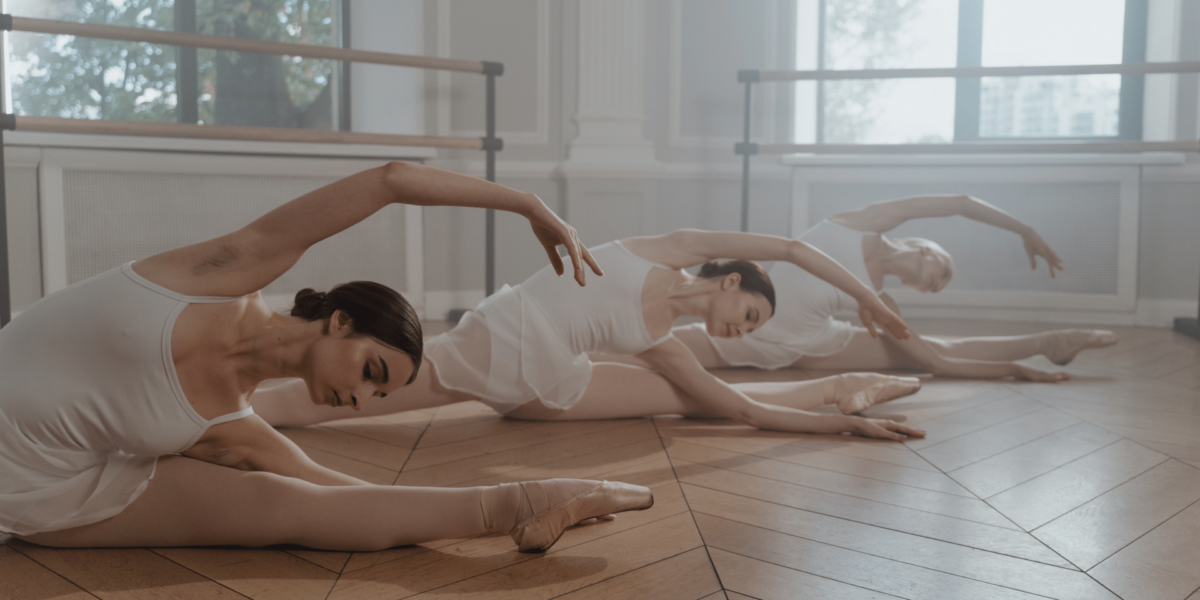
Flexibility is essential for performing ballet movements safely and effectively. Through consistent stretching and proper technique, ballet training enhances the joints’ and muscles’ ability to move smoothly through a wider range of motion. An adult practicing ballet experiences fewer restrictions in daily activities, finding it easier to reach, bend, and maintain an active lifestyle without discomfort or tightness.

Enhancing Balance and Coordination

Balance and coordination are fundamental skills strengthened by ballet. Exercises that require weight shifts, quick direction changes, and precise footwork help the brain and body communicate more efficiently. A student focused on maintaining control during a simple turn or a sustained balance sees improvements not only in dance but also in walking, climbing stairs, and reacting quickly to sudden changes in movement.

Developing Mental Discipline and Focus

Ballet demands mental concentration to remember sequences, refine technique, and connect movement with music. Adults engaging in ballet training sharpen their memory and cognitive flexibility by learning new choreography and responding to corrections. This heightened awareness carries over into professional and personal life, supporting better problem-solving skills, clearer thinking, and greater resilience under pressure.

Cultivating Emotional Expression and Confidence

Ballet encourages emotional expression through movement, allowing adults to communicate feelings without words. The connection between music, emotion, and motion nurtures self-awareness and creative release. A dancer gaining comfort with expressing themselves through choreography finds an increase in self-confidence, both in the studio and in other aspects of daily interaction.

Reducing Stress and Promoting Relaxation

Physical activity, especially when combined with artistic expression, is a proven way to reduce stress. Ballet classes provide a structured space for adults to focus solely on movement, breathing, and musicality, offering a mental break from daily pressures. After a class, many feel more centered, energized, and better equipped to manage the emotional demands of work and home life.

Strengthening Endurance for Daily Life

Ballet training improves cardiovascular endurance through repeated practice of demanding movements and sustained poses. Adults who commit to regular ballet sessions build stamina that translates into more energy during daily activities. A busy individual balancing work, errands, and family responsibilities benefits from increased vitality and less fatigue throughout the day.

Correcting Posture and Body Alignment

Good posture and alignment are core principles in ballet technique. Training teaches adults how to engage the right muscles to support the spine and align the body properly. These skills reduce the risk of back pain, neck tension, and joint strain. Someone who previously slouched or struggled with standing for long periods finds that ballet practice encourages natural, healthy posture without conscious effort.

Realistic Scenario: Experiencing Transformation Through Ballet

Imagine an adult enrolling in a beginner ballet class after years of sedentary work. At first, movements feel challenging, and muscles tire quickly. Over weeks of consistent practice, they notice greater ease in lifting groceries, better posture at their desk, and fewer aches at the end of the day. Mentally, they become more focused and less overwhelmed by daily stress. The simple act of attending ballet classes brings measurable improvements to their physical health and emotional resilience.

Ballet as a Life-Enhancing Practice for Adults

Ballet training transforms the adult body and mind by strengthening muscles, improving flexibility, refining balance, and enhancing mental focus. It offers a unique combination of physical discipline and artistic expression that supports emotional well-being and personal growth. Adults who commit to ballet not only move with greater grace but also navigate life with more confidence, resilience, and joy.

From First Class to Full Expression: Tracing the Journey of an Adult Beginner

Starting ballet as an adult often begins with uncertainty. Walking into a studio for the first time can feel intimidating, especially without a background in dance. But this first step sets the foundation for personal growth through structured movement.

The initial class introduces basic techniques and terminology. More importantly, it challenges the body to move in unfamiliar ways. Adults quickly realize that progress depends on patience, focus, and consistent effort rather than natural ability.

Building Coordination Through Repetition

Adult beginners must develop coordination from the ground up. Movements like pliés, tendus, and simple turns require control, balance, and timing. These skills improve gradually through repeated practice and mindful correction.

In early stages, it’s common to feel awkward or disconnected from the movement. Over time, repetition strengthens the connection between the brain and muscles. This neural reinforcement allows the body to respond with greater accuracy and confidence.

Developing Confidence in Technique

As beginners gain control over basic movements, their confidence starts to grow. Confidence doesn’t come from performing perfectly but from understanding how to make adjustments and improve.

Instructors play a key role by offering targeted feedback. This feedback helps adults refine their technique and recognize their progress. The ability to self-correct and apply guidance builds both skill and trust in one’s own judgment.

Navigating Frustration and Plateaus

Every adult beginner encounters challenges. Frustration can arise when progress slows or certain movements remain difficult. These moments test commitment and mindset.

Plateaus often signal a shift from surface-level learning to deeper integration. Instead of quitting, committed dancers focus on consistency. They show up, stay present, and allow the process to unfold. This persistence strengthens resilience and reinforces long-term growth.

Unlocking Artistic Expression Through Movement

Once technique becomes more familiar, dancers can shift attention from mechanics to expression. Movement transforms from a task to a form of communication. Adult dancers begin to use timing, flow, and energy to convey emotion and intention.

This stage marks a turning point in the journey. What began as structured practice evolves into personal expression. Dancers feel more connected to the music, the movement, and themselves.

Finding a Rhythm of Personal Growth

Ballet becomes part of a weekly rhythm that supports both physical and emotional well-being. The routine offers structure in a world often filled with unpredictability. Returning to class creates a sense of progress and purpose.

Dancers begin to notice changes in posture, energy, and mindset. They approach other areas of life with more confidence and clarity. The discipline learned in class carries over into daily habits and decisions.

Connecting with a Supportive Community

Adult beginners rarely train in isolation. Most join group classes filled with peers on similar paths. This shared experience creates a sense of belonging rooted in mutual respect and support.

Instructors and classmates celebrate milestones, provide encouragement, and share insights. This environment helps adults stay motivated and feel connected, especially when navigating challenges or setbacks.

Embracing a Lifelong Relationship with Dance

The journey doesn’t end with mastering steps or completing a set curriculum. For many adults, ballet becomes a lifelong pursuit. The focus shifts from achieving perfection to enjoying the ongoing process of learning and refining.

With each class, adult dancers rediscover movement as a tool for growth. They carry forward not just technical skill but also emotional insight and physical awareness.

Growth Begins with Showing Up

The journey of an adult beginner in ballet is about more than learning how to move. It’s about developing confidence, building resilience, and discovering personal expression.

From the first uncertain steps to full artistic expression, the process offers a structured path to growth. Each class becomes a step forward—a chance to reconnect with the body, strengthen the mind, and explore the art of movement with purpose and clarity.

The Studio as Sanctuary: Exploring the Emotional Benefits of Dance

Many adults carry emotional weight from daily responsibilities, personal challenges, and long-term stress. Dance studios offer a space where movement becomes a form of release. Inside the studio, dancers shift focus from external pressures to internal sensations.

As the music begins and the body starts to move, emotional energy finds a path through motion. The structure of class—warm-up, exercises, and choreography—creates a rhythm that supports mental and emotional grounding. This sense of routine helps individuals feel centered, even during overwhelming periods in life.

Structured Movement Builds Emotional Awareness

Dance requires physical presence and mental focus. Each movement must align with breath, balance, and timing. This kind of attention sharpens emotional awareness because the body reacts to both physical and emotional cues.

When dancers notice tension, imbalance, or discomfort, they begin to identify how emotions affect their movement. This awareness creates opportunities for emotional release and regulation, giving dancers a clear pathway to understand what they feel and why.

Dance Reduces Stress Through Active Engagement

Unlike passive forms of relaxation, dance reduces stress by engaging the body in purposeful action. Physical movement increases circulation and stimulates the nervous system, encouraging the release of hormones that improve mood and reduce anxiety.

In the dance studio, this process happens naturally. As dancers move, their focus narrows to the task at hand, which shifts attention away from negative thoughts. The result is a calm, alert state of mind that supports emotional balance.

Studios Offer Community and Emotional Support

The dance studio is more than a place to practice technique. It becomes a shared environment where people connect through common goals and mutual encouragement. This connection helps reduce feelings of isolation, especially for adults who may lack strong social networks.

Group classes encourage collaboration, feedback, and shared accomplishment. These interactions foster a sense of belonging, which reinforces emotional well-being. When dancers feel seen and supported, they build confidence in themselves and their abilities.

Emotional Growth Emerges Through Artistic Risk

Dancers must often step outside their comfort zones to grow. Whether learning a new combination or performing in front of others, these experiences require vulnerability. Facing this discomfort teaches resilience.

In the studio, mistakes are part of the process. Rather than avoiding failure, dancers learn to navigate it constructively. This attitude builds emotional strength and encourages a mindset that values growth over perfection.

Routine and Repetition Encourage Emotional Stability

Returning to the studio each week creates a sense of stability. Repeating exercises and sequences gives dancers something reliable to lean on during unpredictable times. This consistency helps regulate emotions by offering a dependable structure.

Over time, dancers associate movement with a sense of calm and clarity. The routine becomes a grounding force, helping them manage daily stress and emotional fluctuations with more ease.

Dance Strengthens the Mind-Body Connection

The link between physical movement and emotional experience runs deep. In dance, the body becomes a tool for emotional insight. Learning to isolate, extend, and coordinate movement improves body awareness, which supports emotional clarity.

When dancers feel in control of their bodies, they also gain confidence in managing emotions. This internal alignment leads to stronger self-awareness and greater emotional resilience.

The Studio as a Tool for Emotional Well-Being

Dance studios offer more than instruction—they provide emotional refuge. Through movement, structure, and connection, dancers access tools for stress relief, self-understanding, and emotional regulation.

Whether you enter the studio to learn a new skill or to process a difficult day, dance offers a path toward emotional balance. As adults seek healthier ways to manage stress and reconnect with themselves, the studio remains a sanctuary for healing and growth.