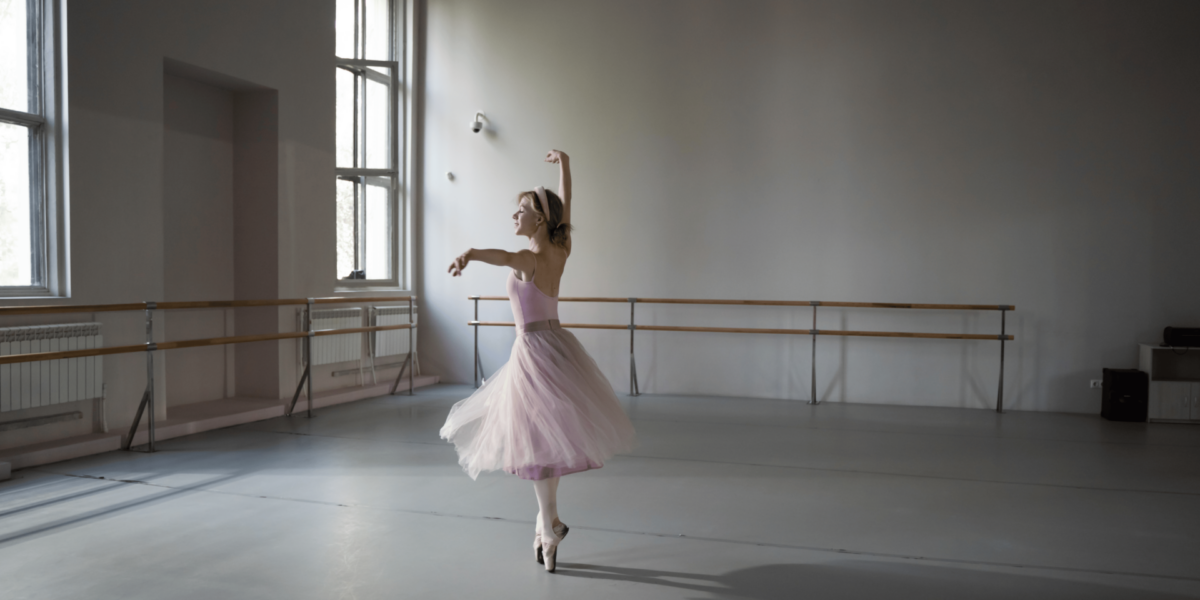
Many adults carry emotional weight from daily responsibilities, personal challenges, and long-term stress. Dance studios offer a space where movement becomes a form of release. Inside the studio, dancers shift focus from external pressures to internal sensations.
As the music begins and the body starts to move, emotional energy finds a path through motion. The structure of class—warm-up, exercises, and choreography—creates a rhythm that supports mental and emotional grounding. This sense of routine helps individuals feel centered, even during overwhelming periods in life.
Structured Movement Builds Emotional Awareness
Dance requires physical presence and mental focus. Each movement must align with breath, balance, and timing. This kind of attention sharpens emotional awareness because the body reacts to both physical and emotional cues.
When dancers notice tension, imbalance, or discomfort, they begin to identify how emotions affect their movement. This awareness creates opportunities for emotional release and regulation, giving dancers a clear pathway to understand what they feel and why.
Dance Reduces Stress Through Active Engagement
Unlike passive forms of relaxation, dance reduces stress by engaging the body in purposeful action. Physical movement increases circulation and stimulates the nervous system, encouraging the release of hormones that improve mood and reduce anxiety.
In the dance studio, this process happens naturally. As dancers move, their focus narrows to the task at hand, which shifts attention away from negative thoughts. The result is a calm, alert state of mind that supports emotional balance.
Studios Offer Community and Emotional Support
The dance studio is more than a place to practice technique. It becomes a shared environment where people connect through common goals and mutual encouragement. This connection helps reduce feelings of isolation, especially for adults who may lack strong social networks.
Group classes encourage collaboration, feedback, and shared accomplishment. These interactions foster a sense of belonging, which reinforces emotional well-being. When dancers feel seen and supported, they build confidence in themselves and their abilities.
Emotional Growth Emerges Through Artistic Risk
Dancers must often step outside their comfort zones to grow. Whether learning a new combination or performing in front of others, these experiences require vulnerability. Facing this discomfort teaches resilience.
In the studio, mistakes are part of the process. Rather than avoiding failure, dancers learn to navigate it constructively. This attitude builds emotional strength and encourages a mindset that values growth over perfection.
Routine and Repetition Encourage Emotional Stability
Returning to the studio each week creates a sense of stability. Repeating exercises and sequences gives dancers something reliable to lean on during unpredictable times. This consistency helps regulate emotions by offering a dependable structure.
Over time, dancers associate movement with a sense of calm and clarity. The routine becomes a grounding force, helping them manage daily stress and emotional fluctuations with more ease.
Dance Strengthens the Mind-Body Connection
The link between physical movement and emotional experience runs deep. In dance, the body becomes a tool for emotional insight. Learning to isolate, extend, and coordinate movement improves body awareness, which supports emotional clarity.
When dancers feel in control of their bodies, they also gain confidence in managing emotions. This internal alignment leads to stronger self-awareness and greater emotional resilience.
The Studio as a Tool for Emotional Well-Being
Dance studios offer more than instruction—they provide emotional refuge. Through movement, structure, and connection, dancers access tools for stress relief, self-understanding, and emotional regulation.
Whether you enter the studio to learn a new skill or to process a difficult day, dance offers a path toward emotional balance. As adults seek healthier ways to manage stress and reconnect with themselves, the studio remains a sanctuary for healing and growth.