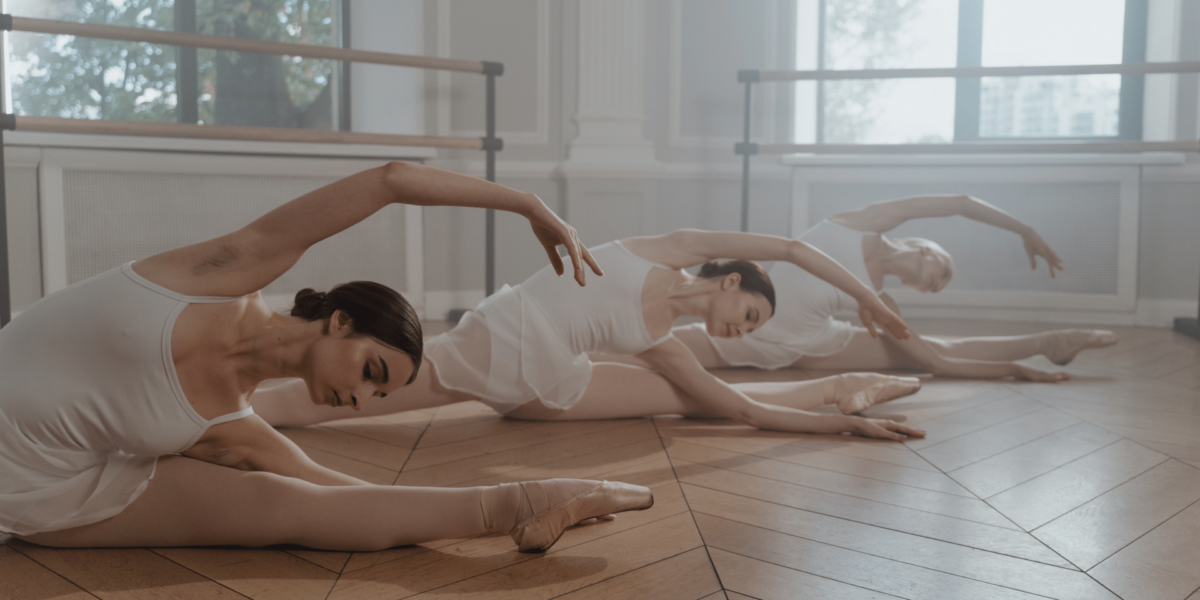
Starting ballet as an adult often begins with uncertainty. Walking into a studio for the first time can feel intimidating, especially without a background in dance. But this first step sets the foundation for personal growth through structured movement.
The initial class introduces basic techniques and terminology. More importantly, it challenges the body to move in unfamiliar ways. Adults quickly realize that progress depends on patience, focus, and consistent effort rather than natural ability.
Building Coordination Through Repetition
Adult beginners must develop coordination from the ground up. Movements like pliés, tendus, and simple turns require control, balance, and timing. These skills improve gradually through repeated practice and mindful correction.
In early stages, it’s common to feel awkward or disconnected from the movement. Over time, repetition strengthens the connection between the brain and muscles. This neural reinforcement allows the body to respond with greater accuracy and confidence.
Developing Confidence in Technique
As beginners gain control over basic movements, their confidence starts to grow. Confidence doesn’t come from performing perfectly but from understanding how to make adjustments and improve.
Instructors play a key role by offering targeted feedback. This feedback helps adults refine their technique and recognize their progress. The ability to self-correct and apply guidance builds both skill and trust in one’s own judgment.
Navigating Frustration and Plateaus
Every adult beginner encounters challenges. Frustration can arise when progress slows or certain movements remain difficult. These moments test commitment and mindset.
Plateaus often signal a shift from surface-level learning to deeper integration. Instead of quitting, committed dancers focus on consistency. They show up, stay present, and allow the process to unfold. This persistence strengthens resilience and reinforces long-term growth.
Unlocking Artistic Expression Through Movement
Once technique becomes more familiar, dancers can shift attention from mechanics to expression. Movement transforms from a task to a form of communication. Adult dancers begin to use timing, flow, and energy to convey emotion and intention.
This stage marks a turning point in the journey. What began as structured practice evolves into personal expression. Dancers feel more connected to the music, the movement, and themselves.
Finding a Rhythm of Personal Growth
Ballet becomes part of a weekly rhythm that supports both physical and emotional well-being. The routine offers structure in a world often filled with unpredictability. Returning to class creates a sense of progress and purpose.
Dancers begin to notice changes in posture, energy, and mindset. They approach other areas of life with more confidence and clarity. The discipline learned in class carries over into daily habits and decisions.
Connecting with a Supportive Community
Adult beginners rarely train in isolation. Most join group classes filled with peers on similar paths. This shared experience creates a sense of belonging rooted in mutual respect and support.
Instructors and classmates celebrate milestones, provide encouragement, and share insights. This environment helps adults stay motivated and feel connected, especially when navigating challenges or setbacks.
Embracing a Lifelong Relationship with Dance
The journey doesn’t end with mastering steps or completing a set curriculum. For many adults, ballet becomes a lifelong pursuit. The focus shifts from achieving perfection to enjoying the ongoing process of learning and refining.
With each class, adult dancers rediscover movement as a tool for growth. They carry forward not just technical skill but also emotional insight and physical awareness.
Growth Begins with Showing Up
The journey of an adult beginner in ballet is about more than learning how to move. It’s about developing confidence, building resilience, and discovering personal expression.
From the first uncertain steps to full artistic expression, the process offers a structured path to growth. Each class becomes a step forward—a chance to reconnect with the body, strengthen the mind, and explore the art of movement with purpose and clarity.