Dancing Through Life: How Ballet Shapes Mind, Body, and Spirit

Building Physical Strength Through Consistent Ballet Training

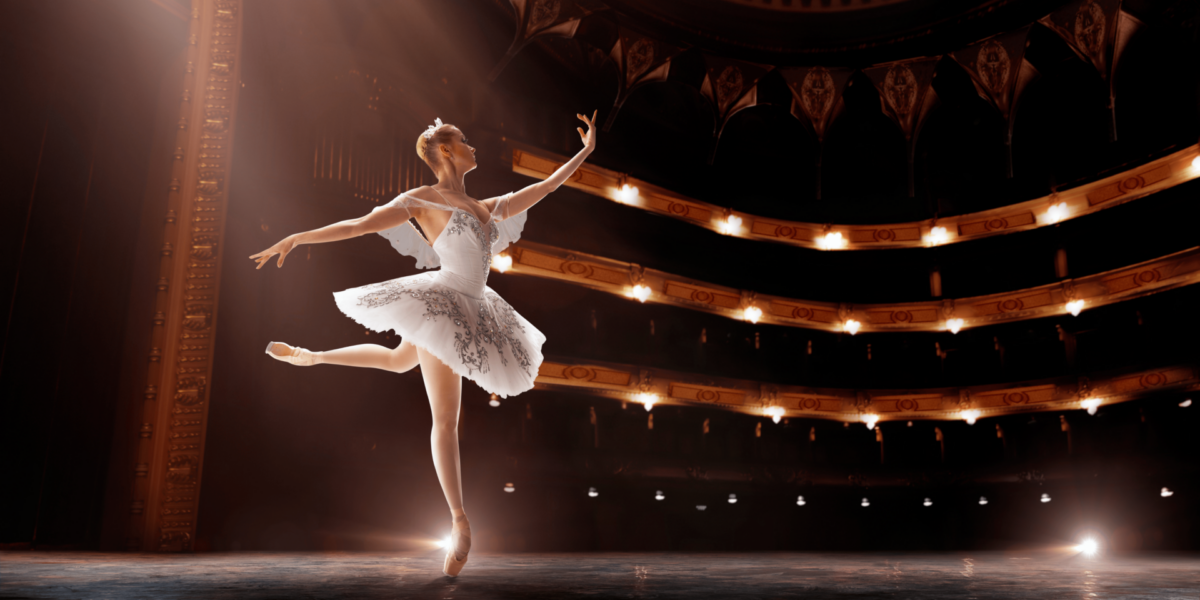
Ballet training develops strength in the legs, core, and back through repetitive, controlled movements that target deep stabilizing muscles. Each barre and center exercise reinforces posture, balance, and joint alignment, creating a solid foundation for more complex choreography. Over time, the body adapts to the demands of training, allowing for greater power in jumps, smoother transitions in turns, and sustained control in extended poses. This physical conditioning not only supports performance but also improves overall body function.

Enhancing Flexibility for Greater Movement Range

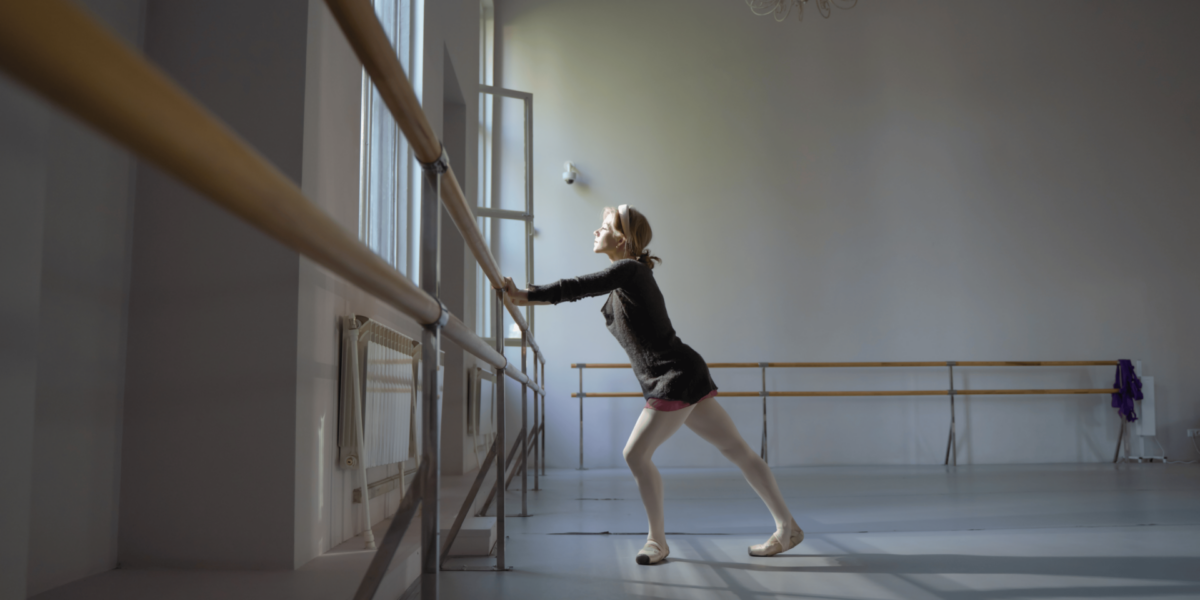
Flexibility is a defining element of ballet’s visual and technical appeal. Consistent stretching before and after class increases joint mobility and muscle elasticity, allowing for longer lines and fluid transitions. By focusing on controlled extensions and safe stretching techniques, dancers reduce stiffness and improve range without sacrificing stability. This expanded movement capacity translates into more expressive choreography and better injury prevention during intensive rehearsals.

Improving Balance for Stability and Precision

Balance in ballet goes beyond holding a pose—it supports every step, turn, and landing. Engaging the core, maintaining correct alignment, and distributing weight evenly enable dancers to shift seamlessly between movements without losing form. Training balance daily in the studio ensures that precision remains consistent, whether on stage or in extended rehearsal sequences. As stability improves, dancers gain the confidence to execute more challenging combinations with control.

Refining Coordination for Seamless Transitions

Coordination links technique, timing, and artistry into a cohesive performance. Ballet demands the ability to control multiple parts of the body simultaneously while staying in sync with music and choreography. Rehearsal trains the mind and body to work together, ensuring arms, legs, and torso move in harmony. Improved coordination leads to cleaner transitions, sharper footwork, and an overall smoother execution of choreography.

Strengthening Mental Focus in the Studio

Ballet requires sustained mental focus to absorb corrections, remember complex sequences, and adapt to changes in choreography. Each class challenges concentration by demanding attention to detail in both movement and musical interpretation. This mental discipline sharpens memory and enhances the ability to perform under pressure. In performance settings, focused awareness ensures consistency and reduces the likelihood of errors caused by distraction.

Developing Emotional Expression Through Movement

Ballet communicates emotion through precise physical expression, and dancers refine this skill in every rehearsal. Interpreting choreography with intention requires an understanding of how movement reflects mood, energy, and narrative. This connection between emotion and motion turns technical execution into an engaging performance. By aligning physical choices with emotional content, dancers create a deeper connection with audiences and bring authenticity to their work.

Increasing Stamina for Long-Form Performances

Endurance is critical for sustaining quality from the first movement to the final bow. Ballet training builds stamina by combining strength work with continuous, high-energy sequences. As cardiovascular capacity increases, dancers maintain clarity in their technique even during demanding choreography. This level of conditioning ensures that physical fatigue does not compromise performance quality or artistic delivery.

Cultivating Discipline for Lifelong Benefits

The structured nature of ballet instills discipline that extends beyond the studio. Arriving prepared, following precise routines, and committing to consistent practice create habits that influence other areas of life. This discipline also builds resilience by teaching dancers to work through physical and mental challenges without losing momentum. Over time, the same structured mindset that drives progress in ballet supports personal and professional growth outside of dance.

Supporting Joint Health Through Correct Technique

Ballet’s emphasis on alignment and controlled movement protects joints from unnecessary strain. By learning to engage muscles correctly and distribute weight evenly, dancers reduce the risk of overuse injuries. Regular attention to joint health ensures longevity in training and allows for sustained progress over years of practice. Mature dancers especially benefit from these principles, as they provide a framework for safe, continued participation in ballet.

Encouraging Mind-Body Connection for Overall Well-Being

The integration of movement, music, and focus in ballet strengthens the mind-body connection. Each position and transition requires conscious engagement of muscles while responding to musical cues. This awareness promotes better body control, coordination, and posture in everyday life. The ability to move with intention also enhances overall well-being, creating a sense of harmony between physical capability and mental clarity.

Shaping Identity Through Artistic Growth

Ballet shapes more than physical skill—it influences how dancers see themselves. The combination of technical mastery, physical discipline, and artistic expression fosters a sense of identity rooted in creativity and achievement. Dancers who commit to their craft develop a strong personal connection to their work, finding purpose and meaning in each stage of their training and performance journey.

Integrating Ballet into a Lifelong Practice

Ballet’s impact on mind, body, and spirit extends well beyond early years of training. For many, it becomes a lifelong practice that continues to provide physical challenge, mental engagement, and artistic fulfillment. By adapting training methods to meet changing needs, dancers can maintain and even enhance their skills over decades. This enduring relationship with ballet reflects its unique ability to shape the whole person, making it as much a way of life as an art form.

How Adult Ballet Transforms the Mind-Body Connection

Ballet Strengthens Physical Awareness and Alignment

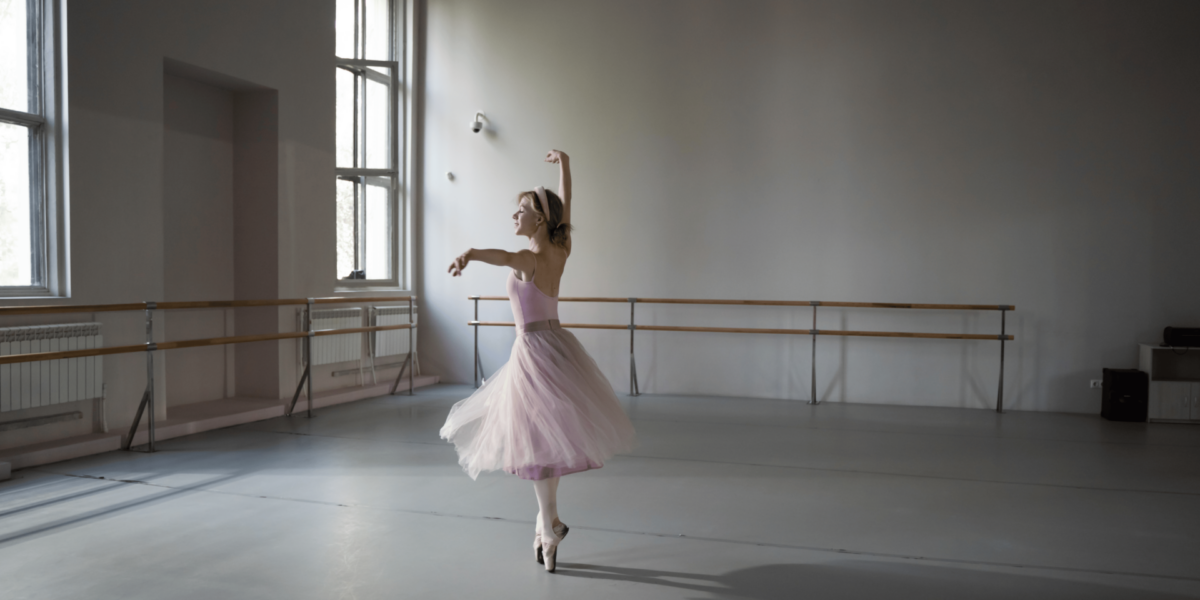
Adult ballet practice increases physical awareness by focusing attention on alignment, posture, and control. Dancers learn to engage specific muscles to support each position, which improves coordination and balance over time.

A person returning to movement in adulthood may find their body stiff or disconnected. Through regular ballet classes, they begin to feel where their weight shifts, how their spine aligns, and which muscles activate during each exercise. This attention to detail helps build a more responsive and balanced body.

Repetition Builds Neuromuscular Precision

Ballet exercises require consistent repetition, which helps strengthen the connection between the brain and muscles. Over time, the body learns patterns that increase precision and reduce hesitation in movement.

During a series of pliés or tendus, an adult learner begins to refine how their legs and feet respond to specific cues. Each class sharpens this control, allowing movements to feel more natural and efficient. The result is a clearer link between intention and physical response.

Mental Focus Improves Through Structured Sequences

Ballet challenges the mind as much as the body. Remembering combinations, coordinating movements with music, and responding to cues demand focused attention. These mental tasks strengthen concentration and promote cognitive clarity.

An adult dancer in class must track the sequence, anticipate transitions, and apply corrections—all while moving in time with the group. This level of focus helps quiet mental noise and keeps the brain fully engaged in the present moment.

Movement Supports Emotional Regulation

The discipline of ballet offers a channel for emotional release. Through music, breath, and movement, dancers process tension without needing to verbalize it. The result is a calmer state of mind and reduced emotional stress.

A person dealing with daily pressure may find that ballet class provides relief. Each phrase allows them to shift energy from overthinking to expression. After class, they leave feeling more centered, not because they escaped their emotions, but because they moved through them.

Breathwork Enhances Movement Quality and Calm

In ballet, breath supports rhythm, flow, and energy control. Matching breath to movement helps regulate pace and sustain effort. This breath awareness reinforces the connection between mind and body, promoting relaxation and physical ease.

A dancer moving through a slow adagio learns to inhale during lifts and exhale during transitions. This rhythm becomes second nature, supporting smoother movement while calming the nervous system. Breath becomes both a tool and a signal of focus.

Postural Awareness Extends Beyond the Studio

The body awareness gained in ballet doesn’t stay in class. Improved posture and alignment influence how people walk, sit, and move through everyday life. This new physical confidence supports better body mechanics and reduces fatigue.

An adult dancer may start noticing how they stand in line or carry their bag. These changes aren’t forced—they emerge naturally from new movement habits. The studio teaches balance, but that balance continues at work, at home, and in daily routines.

Ballet Encourages Mindful Movement Practice

Unlike many fitness programs that focus on speed or repetition, ballet emphasizes form, timing, and presence. Each step requires awareness of where the body is in space. This approach to movement trains mindfulness through consistent, focused action.

In a typical ballet class, there’s little room for distraction. Whether working at the barre or in the center, the dancer must focus on every detail. This full-body attention strengthens the mind-body connection and supports a more intentional way of moving.

Self-Perception Improves Through Nonjudgmental Progress

Adult ballet classes are often structured to support individual growth, not competition. This environment allows dancers to measure progress internally, focusing on how movement feels rather than how it looks to others. This shift builds self-trust and body appreciation.

A dancer might struggle with balance early on but begin to notice small improvements each week. These observations support a more positive body image—not based on appearance, but on ability and awareness. Progress becomes something personal and empowering.

Creative Expression Activates Emotional Intelligence

Ballet involves more than form—it asks dancers to interpret music and emotion through movement. This act of physical storytelling builds emotional intelligence by encouraging people to recognize and express feeling in new ways.

When learning a new phrase, an adult dancer pays attention to phrasing, intention, and energy. Their response to the music creates expression that is both personal and physical. This combination deepens emotional awareness and enriches the movement experience.

Ballet Practice Reinforces Long-Term Mind-Body Integration

Continued ballet training supports sustainable wellness by integrating mental focus with physical control. Over time, this integrated approach helps adults respond more calmly to stress, stay present during challenges, and remain aware of their physical limits and strengths.

A consistent ballet routine offers structure and self-regulation. Movements are learned, practiced, and refined in cycles. This pattern strengthens resilience and supports lifelong health. Ballet becomes more than a workout—it becomes a path to a stronger mind-body connection.

Inside the Mind of an Adult Beginner: Ballet’s Unexpected Mental Journey

Facing the First Class With Uncertainty

Starting ballet as an adult brings a mix of excitement and self-doubt. Walking into the studio for the first time, many feel unsure of what to expect. The structure, the terminology, and the mirrors can feel overwhelming at first.

In a realistic scenario, an adult beginner might enter the studio and notice their mind jumping between thoughts: “What if I can’t keep up?” “Do I belong here?” These internal questions are part of the early experience. As class begins, those thoughts often settle as the focus shifts to learning.

Processing New Information Through Movement

Ballet requires the brain to process unfamiliar patterns quickly. Each combination asks the dancer to remember a sequence, interpret direction, and apply technique—all in real time.

This cognitive demand builds mental agility. The brain forms new connections by learning physical tasks that also require concentration. For adult beginners, this active thinking improves memory and increases the brain’s ability to focus.

Letting Go of Perfectionism

Many adults bring perfectionist habits into the studio. The desire to get every movement right can create frustration. Ballet teaches that learning takes time, and progress comes from consistency, not instant results.

Through repetition, adult beginners slowly replace unrealistic expectations with patience. They stop judging each mistake and start noticing what improves. This shift reduces mental pressure and allows space for steady learning.

Building Mental Resilience Through Routine

Ballet provides structure. Each class follows a pattern: warm-up, barre work, center practice, and cooldown. For adult beginners, this consistency offers a sense of stability and progress.

When learning feels difficult, returning to class becomes an act of resilience. Over time, this commitment helps reframe challenges. Instead of avoiding discomfort, adult dancers face it with preparation and persistence.

Internal Focus Replaces External Comparison

In the studio, it’s easy to compare yourself to others. Adult beginners often notice classmates who appear more flexible or experienced. But ballet rewards internal focus. Paying attention to your own alignment, breath, and control shifts the focus inward.

A dancer who once watched others for validation begins to rely on their own body’s feedback. This mental shift builds confidence and helps reduce anxiety during class.

Mind-Body Awareness Enhances Concentration

Ballet demands full attention. Even a simple movement requires coordination between breath, posture, and timing. This focus creates a state of mindfulness that many adult beginners have never experienced before.

As they practice, dancers notice how concentration in class improves their ability to stay present. This mental training strengthens focus, which benefits other areas of life that require attention and calm.

Managing Fear of Failure

Trying something new always includes risk. Adult beginners often worry about doing it wrong, looking out of place, or falling behind. These fears can feel loud in the first few weeks.

However, ballet doesn’t require perfection—only effort. By showing up and continuing to learn, dancers begin to separate fear from failure. Mistakes become part of the process, and that change in mindset encourages long-term growth.

Developing Emotional Discipline

Ballet teaches emotional control alongside physical control. Learning to stay calm during difficult combinations, to recover from mistakes, or to keep moving after a correction builds emotional discipline.

For adult beginners, this discipline becomes especially important. It helps regulate frustration, manage self-talk, and stay committed even on challenging days. The studio becomes a place to practice mental stability.

Reframing Progress With Patience

Adult learners often expect results quickly. Ballet slows that process. Each movement takes time to understand, and muscle memory develops gradually. This pacing requires adults to redefine what progress looks like.

Instead of expecting fast improvement, beginners start to notice small gains. Standing longer in balance, remembering a full combination, or finding better posture becomes evidence of growth. These small wins shift the idea of success from outcome to effort.

Ballet Reshapes the Mind as Much as the Body

The mental journey of an adult beginner in ballet is just as demanding as the physical one. Each class challenges focus, emotional control, and self-perception. By returning week after week, dancers build a stronger mindset grounded in resilience, patience, and self-awareness.

Ballet becomes more than a skill—it becomes a tool for mental growth. Adult beginners who stay with the process don’t just learn how to move; they learn how to manage thoughts, reframe challenges, and grow through discipline. The mental strength they develop in the studio carries into all areas of life.

How Ballet Training Transforms the Adult Body and Mind

Building Physical Strength Through Ballet

Ballet training develops physical strength by engaging muscles throughout the body in controlled, deliberate movements. Core muscles, legs, arms, and back work together to create balance and support. An adult attending regular ballet classes notices how exercises like pliés, tendus, and arabesques steadily build endurance and tone, resulting in improved posture and greater stability in everyday life.

Improving Flexibility and Range of Motion

Flexibility is essential for performing ballet movements safely and effectively. Through consistent stretching and proper technique, ballet training enhances the joints’ and muscles’ ability to move smoothly through a wider range of motion. An adult practicing ballet experiences fewer restrictions in daily activities, finding it easier to reach, bend, and maintain an active lifestyle without discomfort or tightness.

Enhancing Balance and Coordination

Balance and coordination are fundamental skills strengthened by ballet. Exercises that require weight shifts, quick direction changes, and precise footwork help the brain and body communicate more efficiently. A student focused on maintaining control during a simple turn or a sustained balance sees improvements not only in dance but also in walking, climbing stairs, and reacting quickly to sudden changes in movement.

Developing Mental Discipline and Focus

Ballet demands mental concentration to remember sequences, refine technique, and connect movement with music. Adults engaging in ballet training sharpen their memory and cognitive flexibility by learning new choreography and responding to corrections. This heightened awareness carries over into professional and personal life, supporting better problem-solving skills, clearer thinking, and greater resilience under pressure.

Cultivating Emotional Expression and Confidence

Ballet encourages emotional expression through movement, allowing adults to communicate feelings without words. The connection between music, emotion, and motion nurtures self-awareness and creative release. A dancer gaining comfort with expressing themselves through choreography finds an increase in self-confidence, both in the studio and in other aspects of daily interaction.

Reducing Stress and Promoting Relaxation

Physical activity, especially when combined with artistic expression, is a proven way to reduce stress. Ballet classes provide a structured space for adults to focus solely on movement, breathing, and musicality, offering a mental break from daily pressures. After a class, many feel more centered, energized, and better equipped to manage the emotional demands of work and home life.

Strengthening Endurance for Daily Life

Ballet training improves cardiovascular endurance through repeated practice of demanding movements and sustained poses. Adults who commit to regular ballet sessions build stamina that translates into more energy during daily activities. A busy individual balancing work, errands, and family responsibilities benefits from increased vitality and less fatigue throughout the day.

Correcting Posture and Body Alignment

Good posture and alignment are core principles in ballet technique. Training teaches adults how to engage the right muscles to support the spine and align the body properly. These skills reduce the risk of back pain, neck tension, and joint strain. Someone who previously slouched or struggled with standing for long periods finds that ballet practice encourages natural, healthy posture without conscious effort.

Realistic Scenario: Experiencing Transformation Through Ballet

Imagine an adult enrolling in a beginner ballet class after years of sedentary work. At first, movements feel challenging, and muscles tire quickly. Over weeks of consistent practice, they notice greater ease in lifting groceries, better posture at their desk, and fewer aches at the end of the day. Mentally, they become more focused and less overwhelmed by daily stress. The simple act of attending ballet classes brings measurable improvements to their physical health and emotional resilience.

Ballet as a Life-Enhancing Practice for Adults

Ballet training transforms the adult body and mind by strengthening muscles, improving flexibility, refining balance, and enhancing mental focus. It offers a unique combination of physical discipline and artistic expression that supports emotional well-being and personal growth. Adults who commit to ballet not only move with greater grace but also navigate life with more confidence, resilience, and joy.

The Studio as Sanctuary: Exploring the Emotional Benefits of Dance

Many adults carry emotional weight from daily responsibilities, personal challenges, and long-term stress. Dance studios offer a space where movement becomes a form of release. Inside the studio, dancers shift focus from external pressures to internal sensations.

As the music begins and the body starts to move, emotional energy finds a path through motion. The structure of class—warm-up, exercises, and choreography—creates a rhythm that supports mental and emotional grounding. This sense of routine helps individuals feel centered, even during overwhelming periods in life.

Structured Movement Builds Emotional Awareness

Dance requires physical presence and mental focus. Each movement must align with breath, balance, and timing. This kind of attention sharpens emotional awareness because the body reacts to both physical and emotional cues.

When dancers notice tension, imbalance, or discomfort, they begin to identify how emotions affect their movement. This awareness creates opportunities for emotional release and regulation, giving dancers a clear pathway to understand what they feel and why.

Dance Reduces Stress Through Active Engagement

Unlike passive forms of relaxation, dance reduces stress by engaging the body in purposeful action. Physical movement increases circulation and stimulates the nervous system, encouraging the release of hormones that improve mood and reduce anxiety.

In the dance studio, this process happens naturally. As dancers move, their focus narrows to the task at hand, which shifts attention away from negative thoughts. The result is a calm, alert state of mind that supports emotional balance.

Studios Offer Community and Emotional Support

The dance studio is more than a place to practice technique. It becomes a shared environment where people connect through common goals and mutual encouragement. This connection helps reduce feelings of isolation, especially for adults who may lack strong social networks.

Group classes encourage collaboration, feedback, and shared accomplishment. These interactions foster a sense of belonging, which reinforces emotional well-being. When dancers feel seen and supported, they build confidence in themselves and their abilities.

Emotional Growth Emerges Through Artistic Risk

Dancers must often step outside their comfort zones to grow. Whether learning a new combination or performing in front of others, these experiences require vulnerability. Facing this discomfort teaches resilience.

In the studio, mistakes are part of the process. Rather than avoiding failure, dancers learn to navigate it constructively. This attitude builds emotional strength and encourages a mindset that values growth over perfection.

Routine and Repetition Encourage Emotional Stability

Returning to the studio each week creates a sense of stability. Repeating exercises and sequences gives dancers something reliable to lean on during unpredictable times. This consistency helps regulate emotions by offering a dependable structure.

Over time, dancers associate movement with a sense of calm and clarity. The routine becomes a grounding force, helping them manage daily stress and emotional fluctuations with more ease.

Dance Strengthens the Mind-Body Connection

The link between physical movement and emotional experience runs deep. In dance, the body becomes a tool for emotional insight. Learning to isolate, extend, and coordinate movement improves body awareness, which supports emotional clarity.

When dancers feel in control of their bodies, they also gain confidence in managing emotions. This internal alignment leads to stronger self-awareness and greater emotional resilience.

The Studio as a Tool for Emotional Well-Being

Dance studios offer more than instruction—they provide emotional refuge. Through movement, structure, and connection, dancers access tools for stress relief, self-understanding, and emotional regulation.

Whether you enter the studio to learn a new skill or to process a difficult day, dance offers a path toward emotional balance. As adults seek healthier ways to manage stress and reconnect with themselves, the studio remains a sanctuary for healing and growth.